
Last updated November 15, 2026
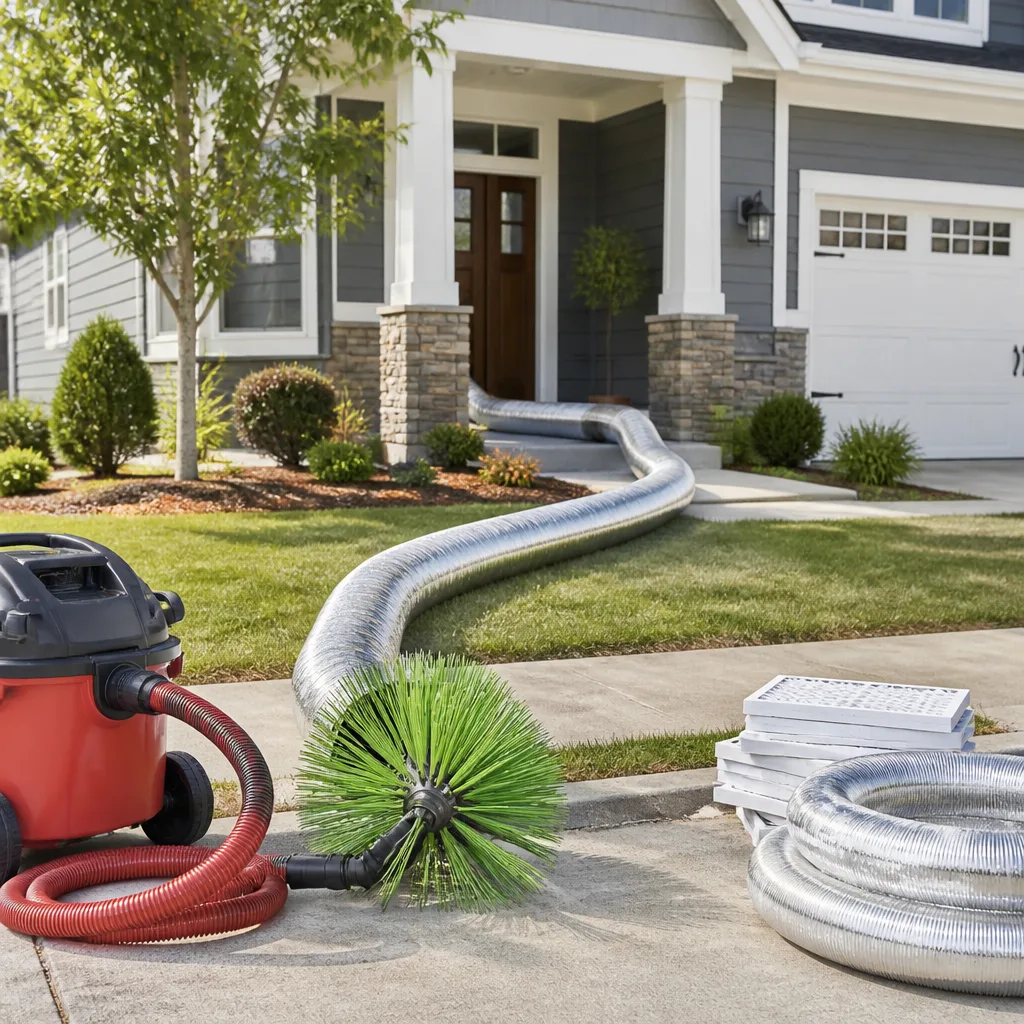 Whole-home duct cleaning
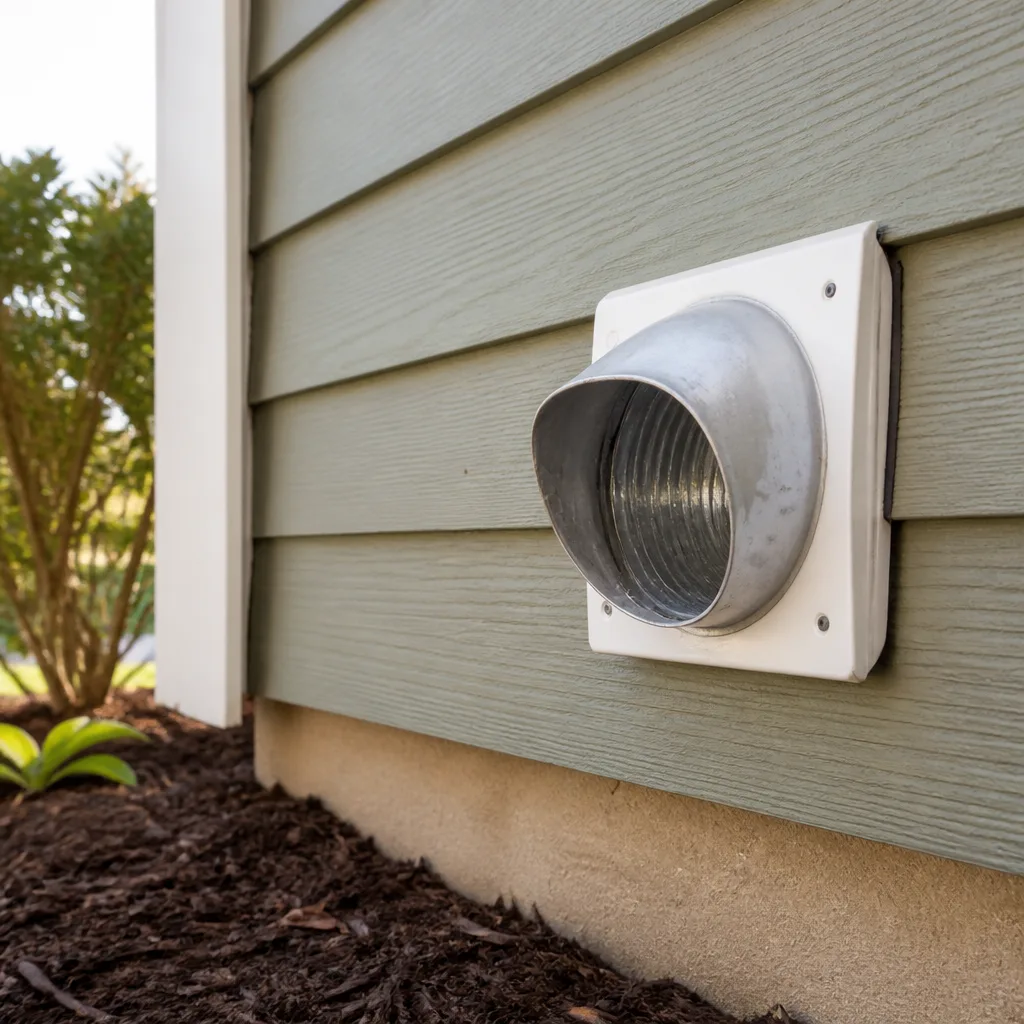 Dryer vent cleaning
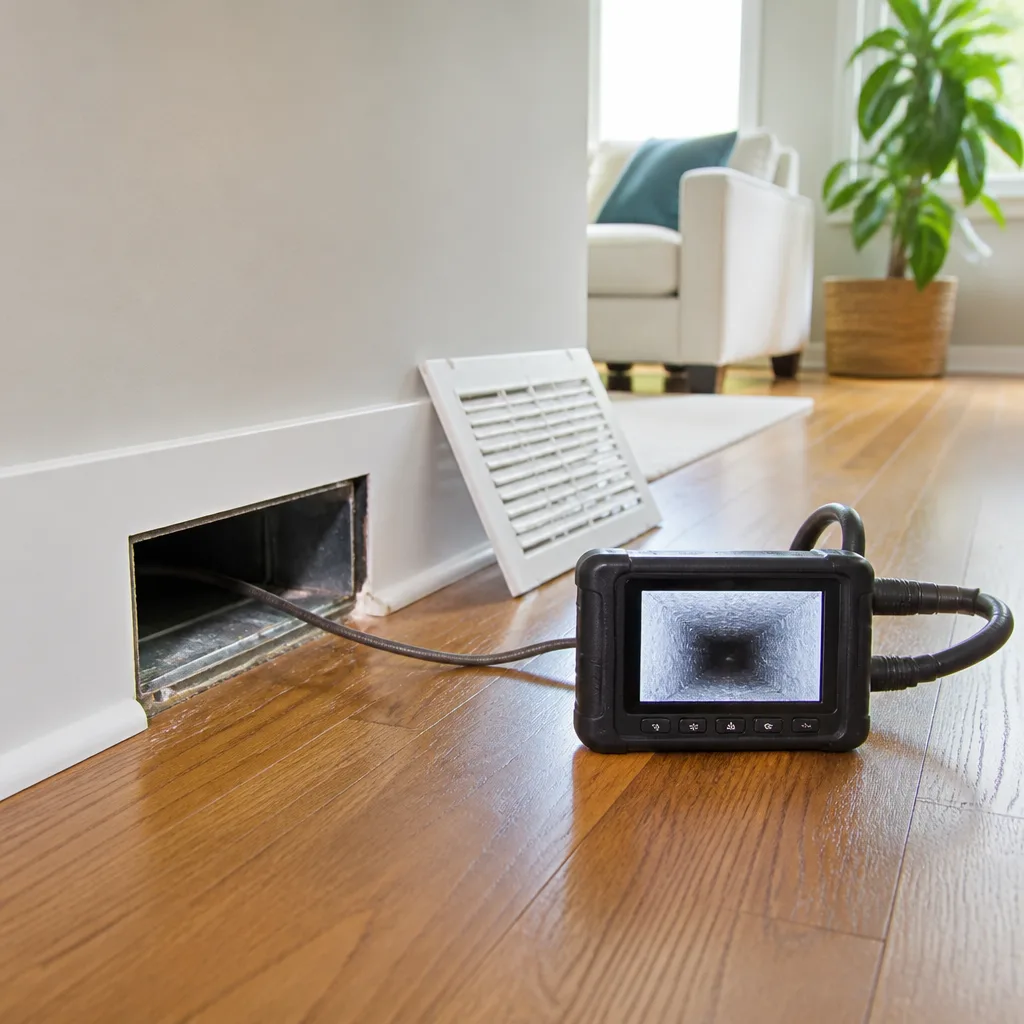 Camera inspection
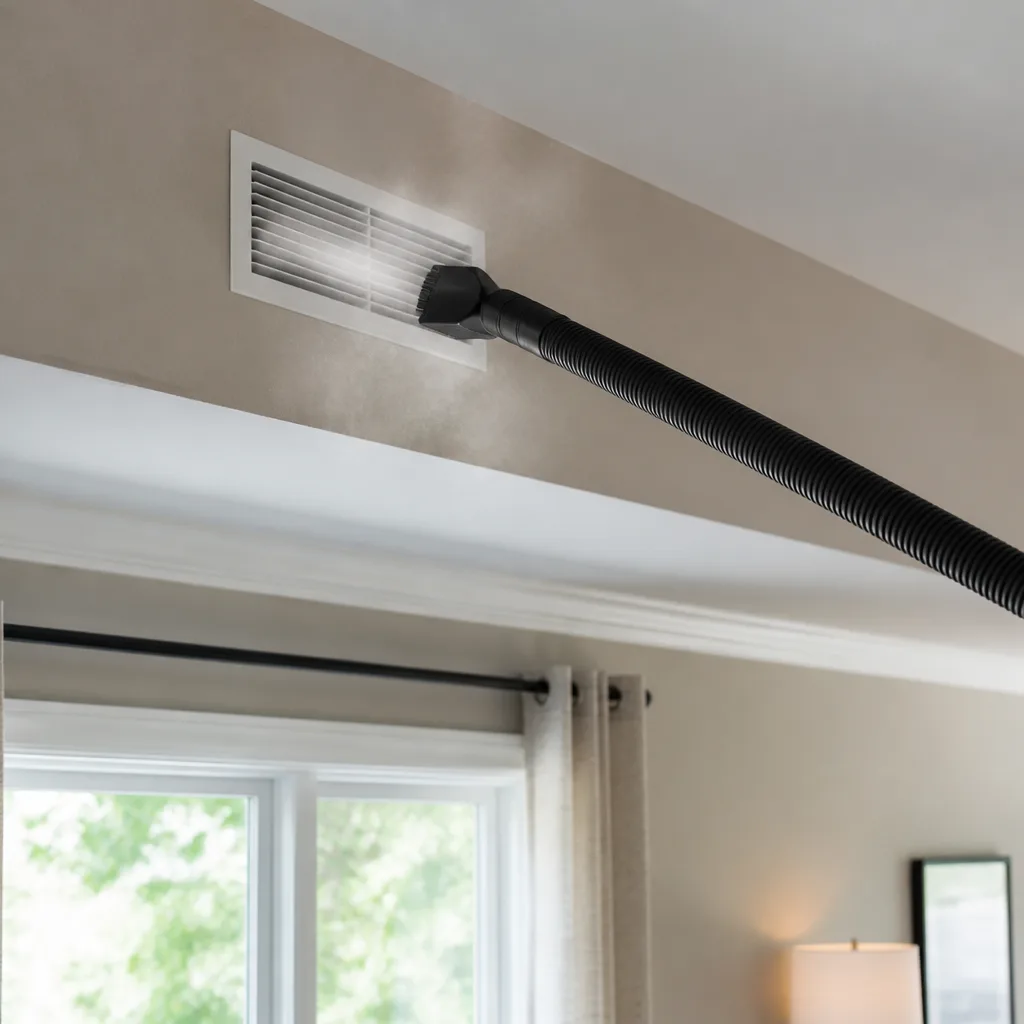 Sanitizing & deodorizing
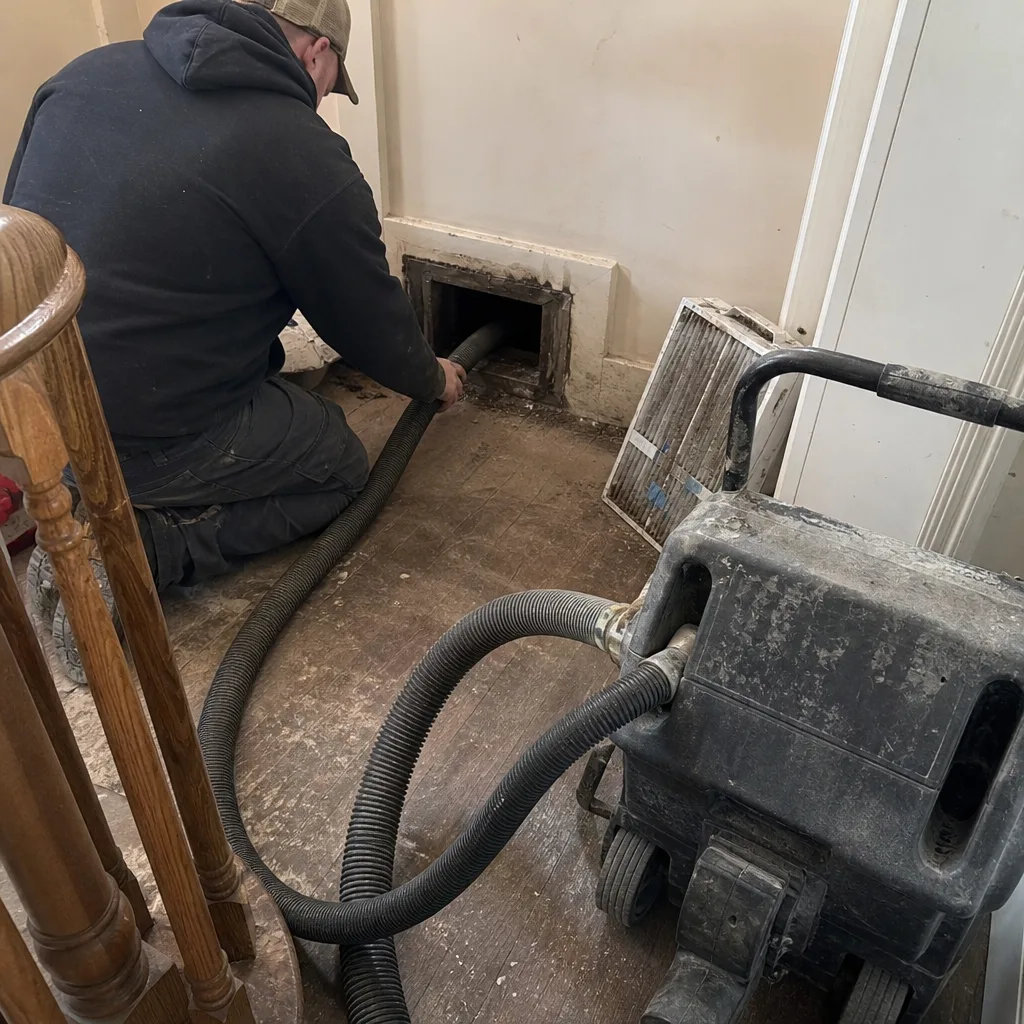
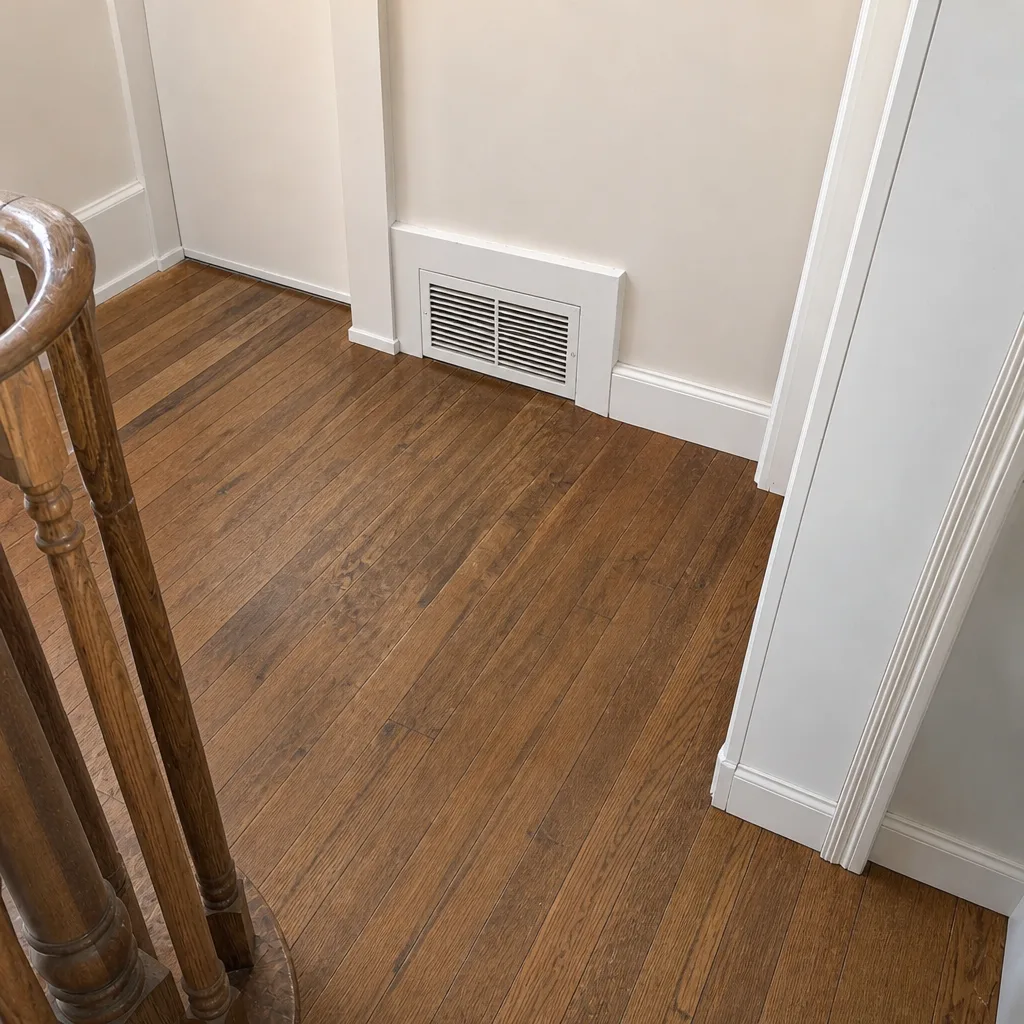
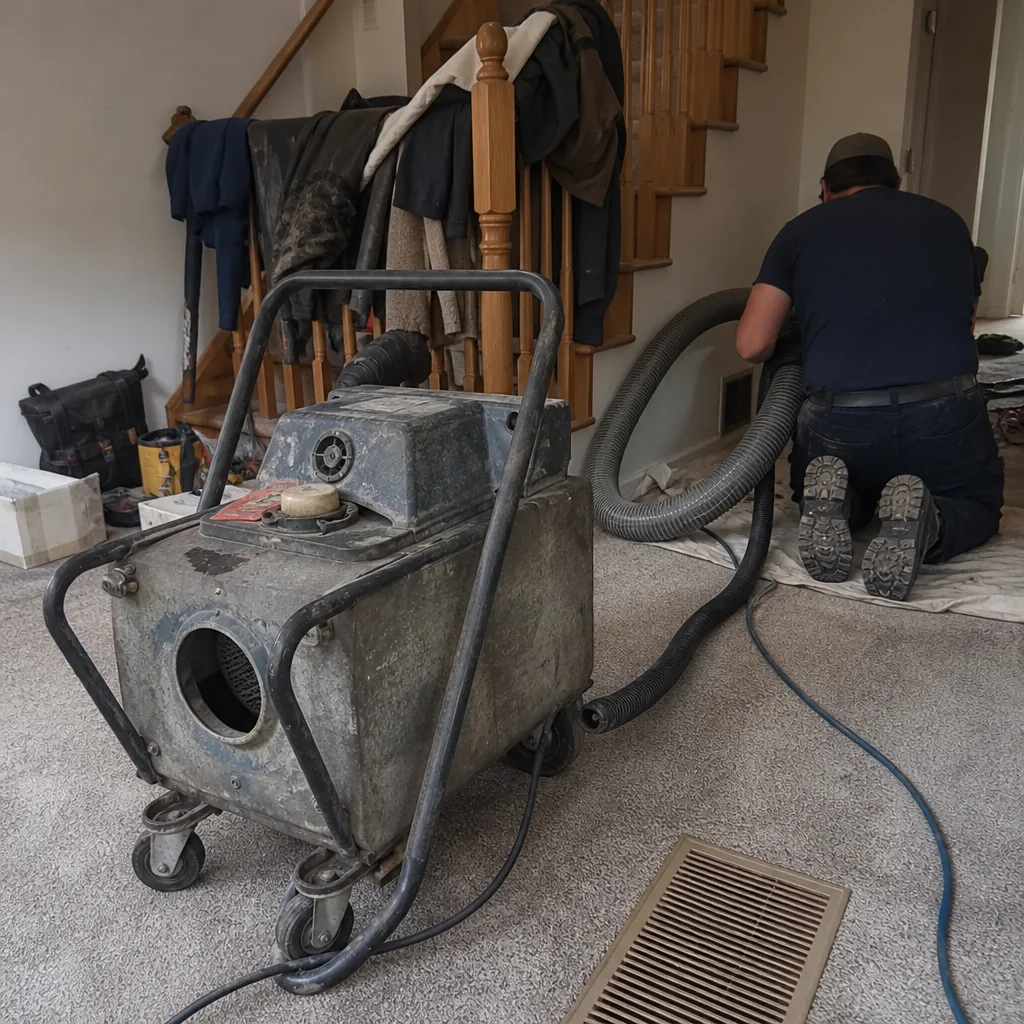
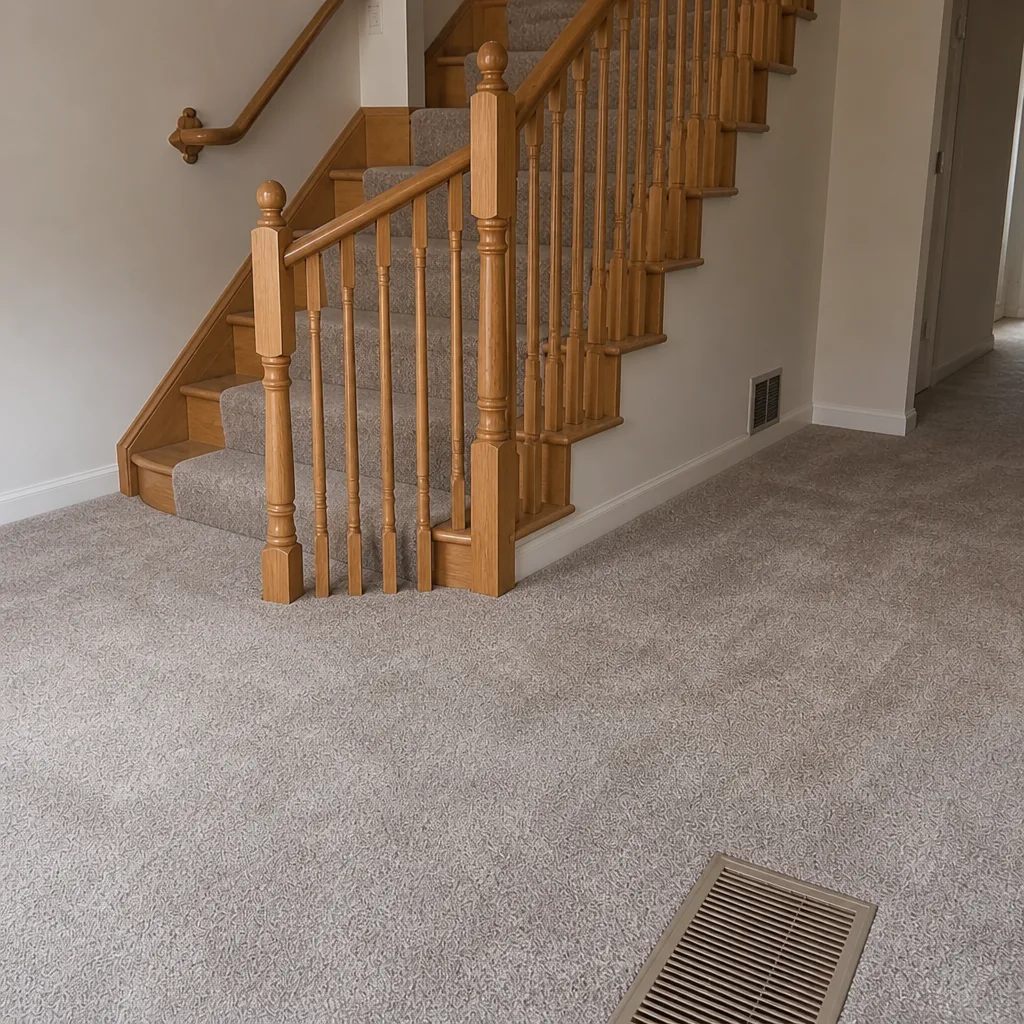
Whole-system duct and dryer vent check with before-and-after photos - you see exactly what came out of your vents
That "$99 whole-house special" is a bait ad - the real number appears once they are in your hallway, or the "clean" is a shop-vac at the register. We photograph the inside of your ducts before and after instead.
Air Duct Cleaning Cost Breakdown: The St. Paul Homeowner’s Reference for 2026
Most homeowners in St. Paul assume that duct cleaning quotes are all quoting the same job, just at different prices. They aren’t. The cost gap between a bargain $149 run and a $600 proper job isn’t profit margin – it’s equipment capacity, labor hours, and physical scope. A crew with a handheld vacuum and 45 minutes on site is doing a fundamentally different task than a crew with a contact-cleaning system and a full afternoon. This guide breaks down what each dollar actually funds, which add-ons are legitimate, and how to compare quotes that mean something.
Styles & brands we work with
- Whole-home duct cleaning
- Dryer vent cleaning
- Camera inspection
- Sanitizing & deodorizing
Quick Answer
A typical whole-home air duct cleaning job in St. Paul ranges from roughly $350 to $700 depending on the size of the home, the number of HVAC systems, and the condition of the ductwork. Homes over 3,000 square feet or with two systems can run higher. Anything quoted under $200 almost never includes the equipment, labor, and time required to clean the full system. Add dryer vent cleaning or coil cleaning separately, and always ask for a written scope of work before comparing prices.
Table of Contents
- What You’re Actually Paying For
- The $99 to $199 Problem
- Home Variables That Shift the Price
- Add-On Services Decoded
- How to Read a Quote
- Equipment: What Professional-Grade Actually Looks Like
- How a Typical Job Runs, Start to Finish
- Common Mistakes to Avoid
- When to Call a Professional
- Frequently Asked Questions
- The Bottom Line
What You’re Actually Paying For
Every dollar on a legitimate duct cleaning invoice funds five real costs, and when any one of them gets cut, the work changes in a way you can’t see from the kitchen. Understanding the line items is the first step toward reading a quote with any clarity.
- Labor hours per vent. A proper cleaning takes real time at each register. A technician works each vent individually – pulling the cover, running the contact tool down the run, and confirming before-and-after condition. A home with 25 vents takes hours, not minutes.
- Equipment operating cost. A truck-mount vacuum or a high-capacity portable system pulls serious power and uses filters that need replacing. The machine itself costs more than a shop vacuum, and the fuel or electricity to run it through a full job is a genuine cost.
- Technician skill. When a crew knows what they’re doing, they can tell the difference between a duct that’s dirty and a duct that’s collapsing – and act on it. That capability takes time to develop and costs more to retain.
- Disposables and containment. New filters, drop cloths, protective barriers, and in serious cases negative-pressure containment equipment all have a per-job cost.
- Insurance and liability coverage. A legitimate company carries coverage for the work. That overhead is baked into the price, and you should ask about it explicitly.
None of those line items disappear when the quote drops to $99. They get cut, one by one, until the job is barely a cleaning. Our technicians have up to 10 years of experience, and a full-system clean using professional-grade equipment from Rotobrush and Nikro is what every job at Ambassador Air Duct Cleaning actually involves. Call (888) 501-7655 for a free estimate.
The $99 to $199 Problem
When a duct cleaning quote lands below $200 for a whole-house job, there is no realistic combination of equipment rental, fuel, and labor that makes it work. The math simply doesn’t close.
Here’s what it costs to put a legitimate crew on a job in the Twin Cities market:
- A two-person crew for a minimum of three to four hours covers labor, travel, and setup.
- A professional vacuum system – whether a truck-mount or a high-capacity portable – consumes fuel or power and requires filter replacement between jobs.
- Travel between job sites involves fuel and drive time that isn’t billable as cleaning labor.
Those three costs alone generally exceed the bargain price before any cleaning has actually happened. So what gets cut?
- Time. The crew rushes through every vent in minutes, often just blowing air around rather than pulling material out.
- Equipment. A consumer-grade vacuum and a handheld brush replace the professional contact-cleaning system.
- Scope. The main trunk lines may get cleaned while the branch runs to individual rooms don’t.
- Repair capability. A disconnected joint or a crushed flex section stays exactly as it was.
We’ve seen the results of this approach. Ducts that look “clean” at the register but still carry debris further down the run. There is no pricing gimmick that produces a proper whole-system cleaning. The honest whole-system range reflects what the work actually costs to do properly. Call (888) 501-7655 for a free estimate.
Home Variables That Shift the Price
Two homes of the same square footage can come in at very different prices because the mechanics of the job are different. Understanding what drives the price up is how you spot whether a quote reflects your home or a flat rate someone applies to every address.
Square footage and vent count
A 1,200-square-foot rambler might have 18 vents. A two-story in Highland Park with a finished basement could have 35. Each vent takes time to access, clean, and inspect. Labor scales directly with that count. Any quote that’s the same regardless of vent count is worth questioning.
Number of HVAC systems
A home with two furnaces or a boiler plus a separate air handler requires two separate service sequences. That’s not double the price, but it’s meaningfully more time and equipment setup.
Duct material
Sheet metal ducts hold up well to contact cleaning. Flex duct requires a gentler technique to avoid tearing the interior liner. Rigid fiberglass board duct – common in some older St. Paul homes – demands the most care because it can shed fibers if handled aggressively. The right tool and speed depend on the material, and the training to know the difference has value.
Last cleaning date
A home cleaned five years ago needs routine maintenance. A home that has never been cleaned – common in 1920s-era houses where the ductwork has been in place a very long time – requires more passes to remove accumulated material. There’s more time involved.
Pets
Pets produce dander and hair that collects on duct walls and settles differently than dust. Expect more passes on homes with multiple pets, and a slightly longer job.
Renovation history
If a home was recently renovated without sealing the ducts during drywall work, construction dust can migrate far into the system. Some cases call for Abatement Technologies containment equipment because the debris volume and particle type require it. That’s a capability we can offer when the situation calls for it.
For a quote that reflects your specific home, call (888) 501-7655. We answer 24/7 and offer free estimates. Fast dispatch from 7am to 7pm, Sunday through Friday.
Add-On Services Decoded
Most companies present a menu of add-ons during the quote process. Some are legitimate and mechanically necessary. Others pad the invoice. Here’s the honest breakdown.
Sanitizing treatment
Legitimate when there’s a known biological issue – visible mold growth on duct surfaces inside the system, a confirmed contamination event, or a persistent odor that survives cleaning. Not necessary as a default on every job. A clean, dry, well-functioning duct system doesn’t need chemical treatment to be healthy. Ask why it’s being recommended and what problem it solves.
Dryer vent cleaning
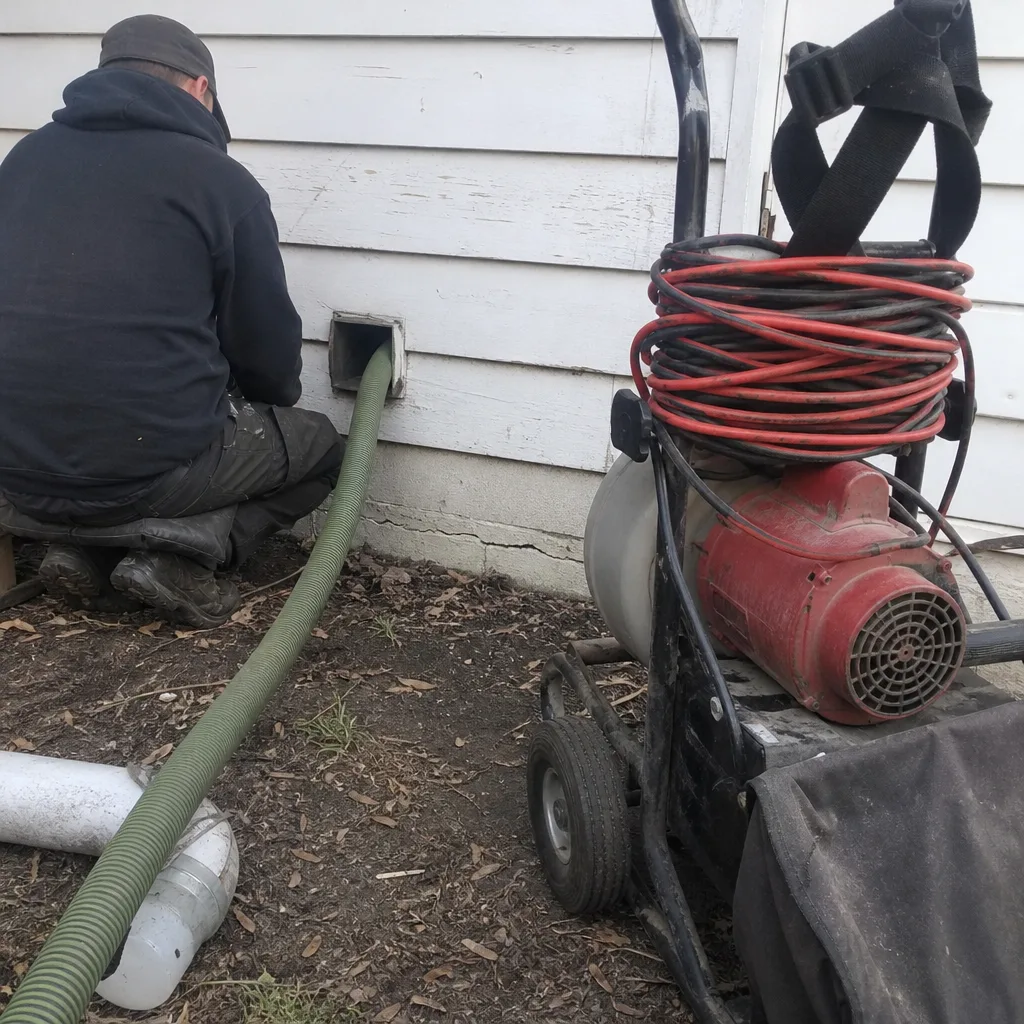
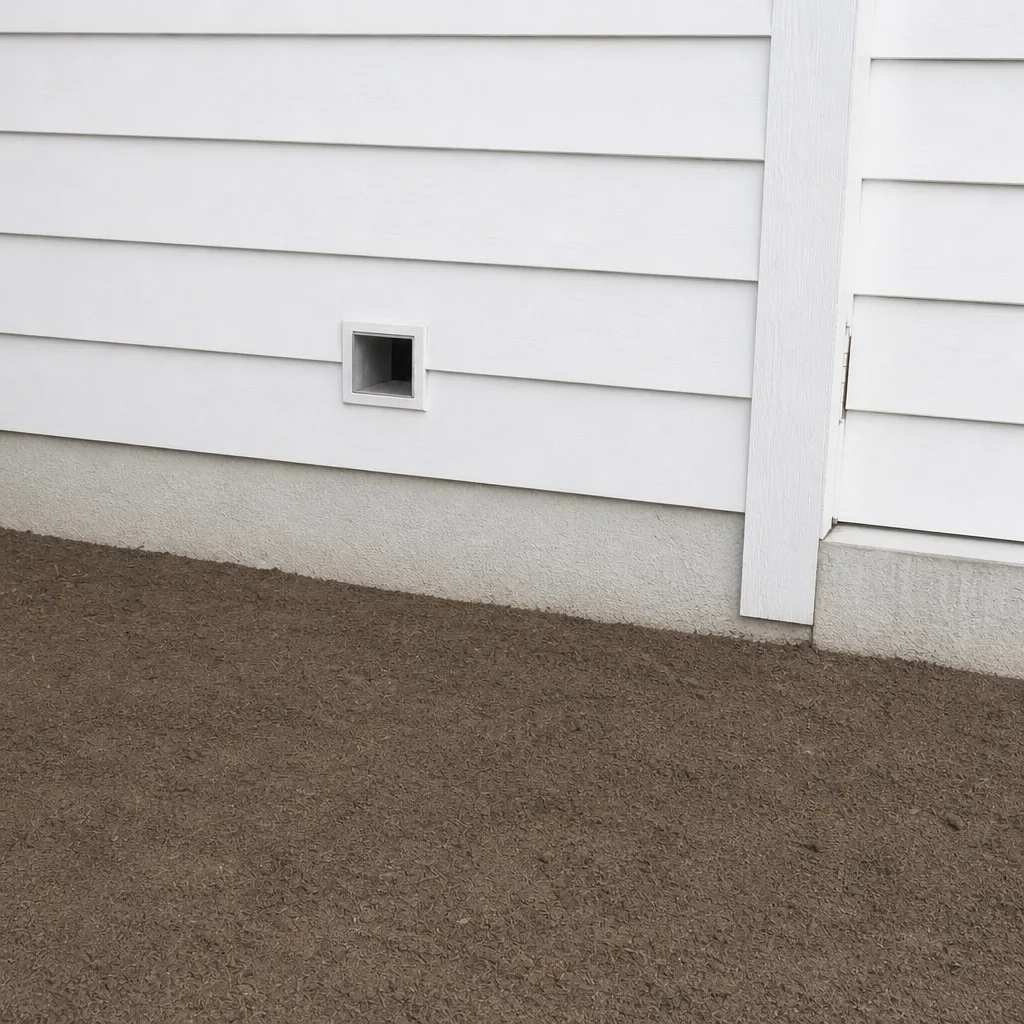
Legitimate and worth doing. Lint accumulation in a dryer exhaust run is a documented fire hazard, and it’s separate from duct cleaning – different equipment, different technique. We treat it as its own service because it addresses a genuine safety concern. It’s not bundled padding; it’s a stand-alone job that some homes need every year or two depending on volume of laundry and length of the vent run. You can learn more about dryer vent cleaning here.
Evaporator coil cleaning
Legitimate when the coil is visibly fouled. A dirty evaporator coil reduces system efficiency and can put strain on the compressor. It’s not part of standard duct cleaning, and if a technician recommends it, ask them to show you the coil condition.
UV lights and air filtration upgrades
Whole-home air quality products from Honeywell and Aprilaire are legitimate tools for specific problems – allergy management, humidity control. But they should follow a conversation about your actual situation, not appear as an automatic upsell during a cleaning job.
Any add-on should come with a specific reason. If you ask “why do I need this?” and the answer is vague, that’s your signal. Call (888) 501-7655 for a free estimate on duct cleaning, repair, or dryer vent service.
How to Read a Quote
Three companies. Three very different numbers. The one that’s cheapest isn’t necessarily the worst and the most expensive isn’t necessarily the best – but unless the quotes describe the same scope, you’re comparing grocery receipts from different stores. Here’s how to force comparability.
- Ask for a written itemized scope before you compare prices. The quote should list exactly what’s being cleaned: main trunk lines, branch runs to each register, all accessible registers and grilles, and both supply and return sides. A quote that just says “duct cleaning” tells you nothing.
- Ask what equipment will be used on the job. A professional contact-cleaning system is fundamentally different from a vacuum-and-brush setup. Ask the question directly and listen for the name of a system, not a promise of “thorough cleaning.”
- Ask how many vents are included and whether the price changes based on that number. A quote that stays identical for 15 vents and 35 vents is a red flag about the cleaning method.
- Ask about repair capability. Find out whether the company can diagnose and repair disconnected joints, crushed sections, or compromised insulation – or whether they clean around problems they find. This is the single biggest gap between companies. We’re one of the few residential duct companies that repairs the ductwork, not just the portion that’s easy to reach.
- Ask about before-and-after documentation. Photos taken during the job let you see what was actually removed. If a company doesn’t offer that, ask why.
- Confirm what happens if they find a problem. A disconnected flex joint or mold growth inside a duct is not unusual. Ask how the company handles it before work begins.
When you line up those six answers across three companies, the pricing starts to make sense. For a proper quote, call (888) 501-7655. We answer 24/7.
Equipment: What Professional-Grade Actually Looks Like
The equipment on a duct cleaning job tells you more about what you’re paying for than the company’s marketing does. A shop vacuum and a long brush are not the same as a contact-cleaning system.
A professional contact-cleaning system uses a rotating brush or air-driven whip tool that travels through the duct interior while a high-capacity vacuum pulls material out. The brush dislodges what’s stuck to the duct walls. The vacuum captures it. Neither works without the other, and neither can be substituted with the other.
The Rotobrush system we use is designed specifically for this purpose. The Nikro equipment we run alongside it is a professional HVAC cleaning system, not a consumer-grade vacuum. Both are pulled out on every job, not on premium service calls only.
There are also jobs where containment is the central concern – renovation contamination, mold remediation, situations where dust and particles need to be physically contained during the cleaning process. That’s when Abatement Technologies equipment comes into play. It’s a capability that most residential duct cleaners don’t have. Knowing when a job calls for it is part of the assessment.
And when the ducts themselves have problems – a crushed section, a joint that’s come apart, insulation that’s failing internally – the cleaning has to include repair. Otherwise you’ve cleaned a system that will fail again quickly. Our air duct repair capability exists for exactly this reason. You can learn more about our air duct cleaning service and how we approach these situations. Call (888) 501-7655 for a free estimate.
How a Typical Job Runs, Start to Finish
A proper whole-home cleaning in St. Paul takes several hours from arrival to sign-off. Here’s what a well-run job involves.
- Assessment and setup. The technician walks the home, counts accessible vents, notes the systems and duct material, and identifies any obvious concerns. Drop cloths and containment are placed.
- Register and grille removal. Every accessible register cover comes off. Each is cleaned separately before being put back.
- Contact cleaning through the system. The rotating tool is run through each branch and trunk section. The vacuum pulls the loosened material out as the tool moves.
- Before-and-after inspection. The technician takes photos during the process. Disconnected joints, damaged flex sections, or insulation problems discovered along the way get flagged and priced separately before any repair work begins.
- Repair if needed. If the job includes duct repair, the affected runs are reconnected or replaced with materials appropriate to the system. This is done under the same visit because leaving a compromised duct in place defeats the purpose of cleaning it.
- Final walkthrough. The system is run and confirmed. Before-and-after photos are reviewed with you. The written estimate sets the final price, and no work begins without your agreement.
Note that you’re working through the home from a St. Paul contact, not from a call center that hands a job to whoever’s closest. That matters for follow-up and for knowing who’s actually on site. Call (888) 501-7655 for a free estimate. Fast dispatch from 7am to 7pm, Sunday through Friday.
Common Mistakes to Avoid
- Choosing the lowest quote without asking about scope. A low quote for 12 vents is fine if you have 12 vents. If you have 30, something is being skipped. Always ask what’s included in writing – not verbally.
- Assuming all “duct cleaning” is the same. A shop vacuum with a brush and a professional contact-cleaning system with a truck-mount or high-capacity vacuum are doing different jobs. The one that costs more does more work, and the results reflect it.
- Paying for sanitizing without a reason. If there’s no odor, no visible growth, and no contamination event, you’re paying for a chemical application – not a treatment that solves a problem.
- Skipping the dryer vent. Duct cleaning and dryer vent cleaning are different jobs. Cleaning the furnace ducts doesn’t touch the dryer exhaust, and the dryer exhaust is the one with the fire risk.
- Getting a quote without asking about repair capability. If the company can only clean, they’ll clean around problems. A disconnected joint inside a wall cavity is still disconnected after the cleaning is done.
- Not asking about before-and-after photos. Photos are the one concrete way to know the work was done. If a company resists showing them, that’s your answer.
- Booking on the day without confirming the equipment. Ask explicitly what system will be used. The difference in what you pay for is the difference in what gets done.
When to Call a Professional
Duct cleaning isn’t something most homes need every year – but some situations call for it directly. If your home hasn’t had the ducts cleaned in the last five to seven years and you’re noticing more dust on surfaces, a musty smell at the vents, or increased allergy symptoms when the system runs, that’s worth a proper assessment. Recent renovations, water intrusion, or any visible mold in or near the duct system also warrant a call. Pet owners, in particular, often find that duct cleaning is more frequent maintenance than they expected. If you’re uncertain whether your ductwork needs cleaning, repair, or simply a dryer vent service, we can walk through it on the phone. Ambassador Air Duct Cleaning offers free estimates in St. Paul – call (888) 501-7655.
Frequently Asked Questions
Most whole-home jobs in St. Paul run between roughly $350 and $700, depending on square footage, vent count, number of HVAC systems, and duct condition. Homes with two systems or very large vent counts can run higher. Whole-system pricing reflects the actual work, and the written estimate sets the final price. Call (888) 501-7655 for a free estimate.
Because they’re doing a different job. A $99 quote in St. Paul almost never covers the equipment, labor hours, and setup that a proper cleaning requires. The crew, the equipment, and the time per vent have all been cut. You’re not paying less for the same work – you’re paying for a different scope. Call (888) 501-7655 for a comparable quote.
Before-and-after photos taken during the job are the clearest answer. Ask to see photos during the cleaning process – not just a final shot of a clean register. Photos taken as the technician works through each branch run are what you’re looking for. We include before-and-after documentation on every job. Call (888) 501-7655 for a free estimate.
Every five to seven years for most homes. Homes with pets, recent renovation, or allergy-sensitive occupants may benefit from more frequent service. Homes where the ducts haven’t been touched in decades may need extra passes on the first cleaning. There’s no universal number – the right interval depends on the home. Call (888) 501-7655 and we can talk through your situation.
Yes. Duct repair is a separate service, and it’s one that many residential duct companies don’t offer. If a joint has come apart, a flex section has collapsed, or insulation has failed inside the duct, cleaning alone leaves the problem in place. We diagnose and repair the ductwork before or alongside the cleaning. Call (888) 501-7655 to talk through what your system might need.
It depends on your dryer vent run and laundry volume, but it’s worth asking. Lint buildup in the dryer exhaust is a fire hazard, and it’s a completely separate job from furnace duct cleaning – different equipment, different technique. If your dryer is taking longer to dry clothes or the exterior vent flap is barely opening, that’s a sign. Call (888) 501-7655 for a free estimate on either service.
The Bottom Line
The cost of air duct cleaning in St. Paul in 2026 is driven by equipment, labor, and scope – not by profit margin. A legitimate whole-home job ranges from roughly $350 to $700 depending on the variables in your specific home. The bargain quote isn’t a discount on the same work; it’s a different job with different equipment and less time. When you’re comparing quotes, ask what equipment will be used, how many vents are included, what happens if a repair is needed, and whether photos will be taken. Those four answers will tell you more than the price alone. Ambassador Air Duct Cleaning provides full-service duct cleaning, duct repair, and dryer vent cleaning using professional-grade Rotobrush and Nikro systems. Call (888) 501-7655 for a free estimate.
Written by the team at Ambassador Air Duct Cleaning.
See the difference
 Before
 After
 Before
 After
 Before
 After