
Last updated November 15, 2026
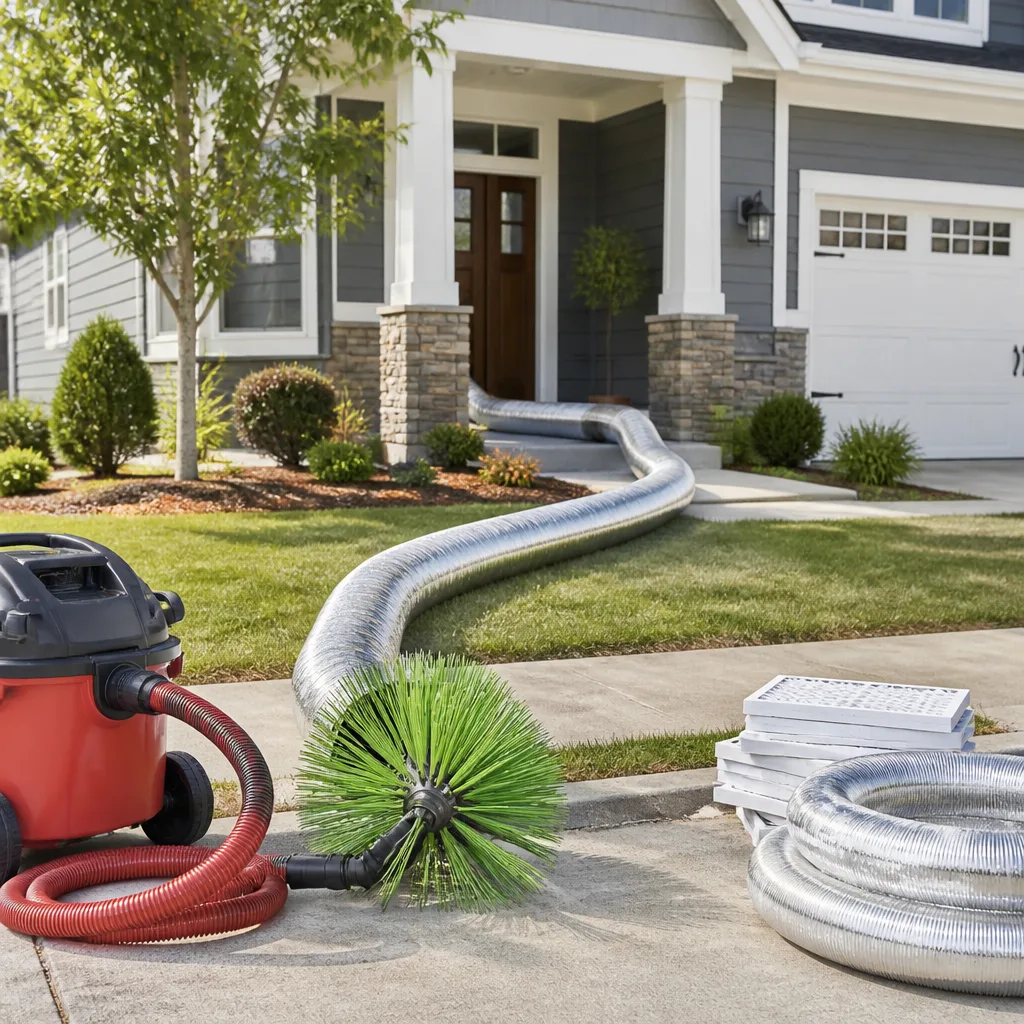 Whole-home duct cleaning
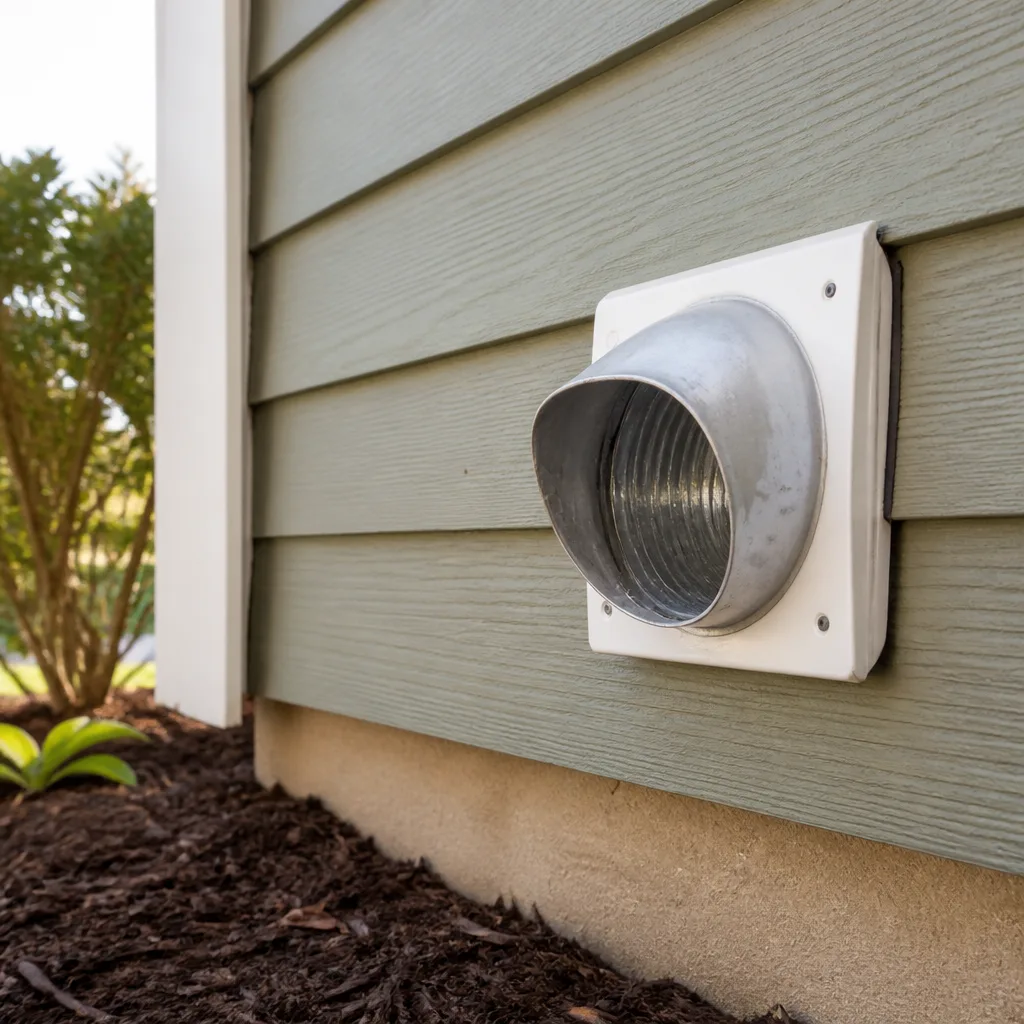 Dryer vent cleaning
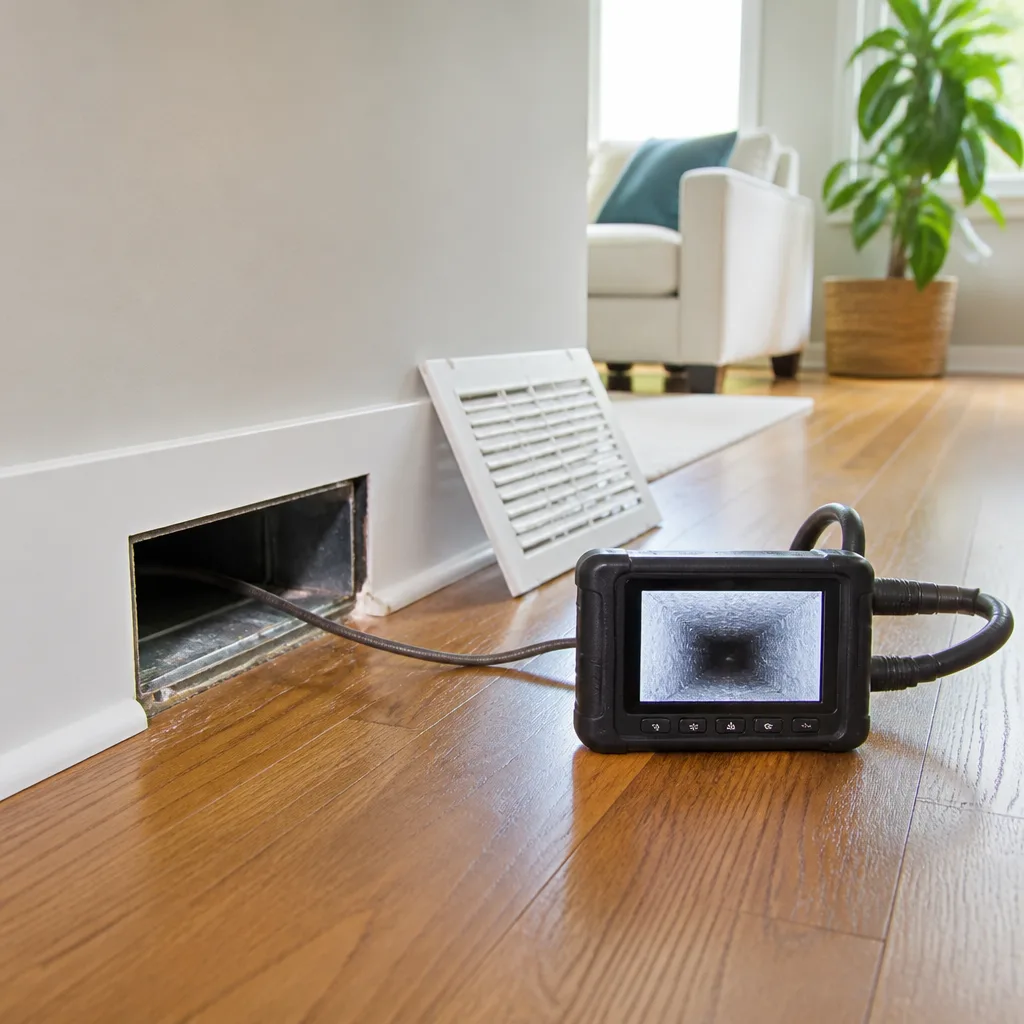 Camera inspection
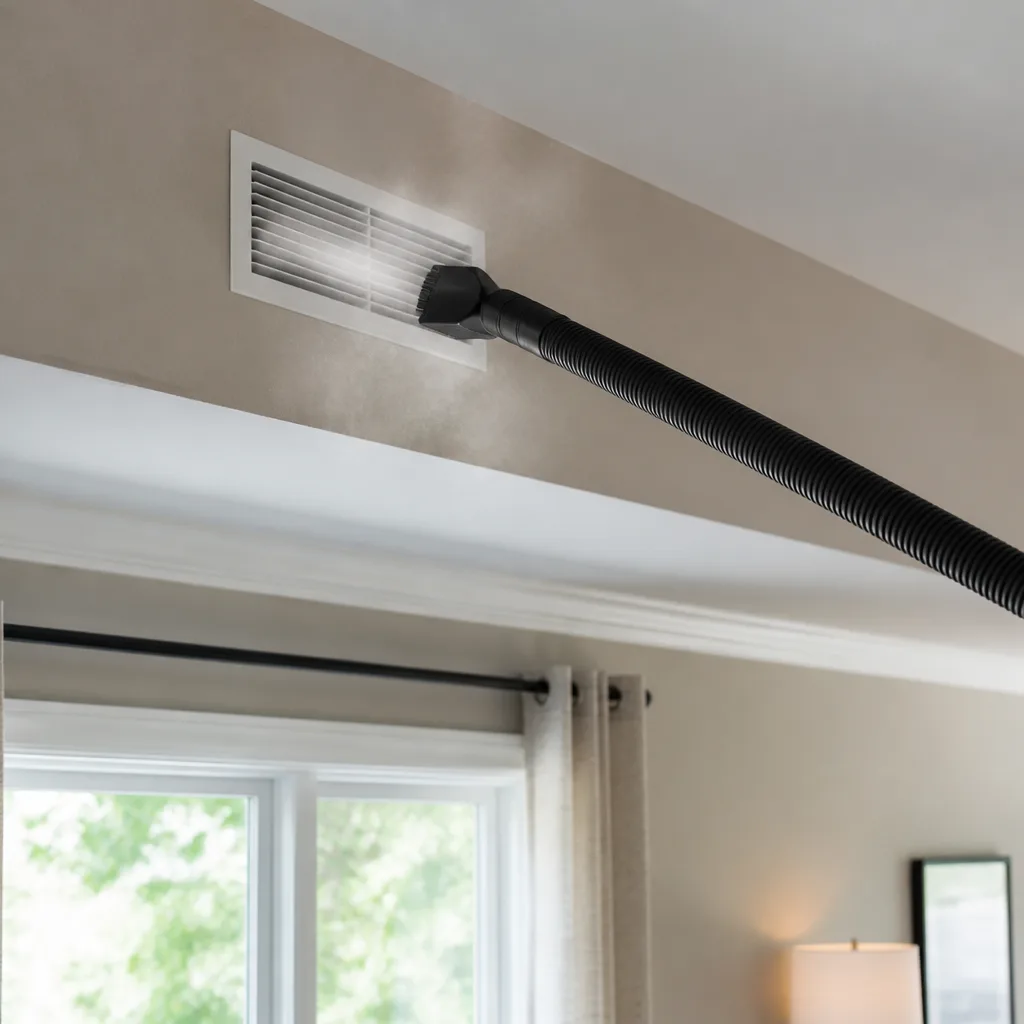 Sanitizing & deodorizing
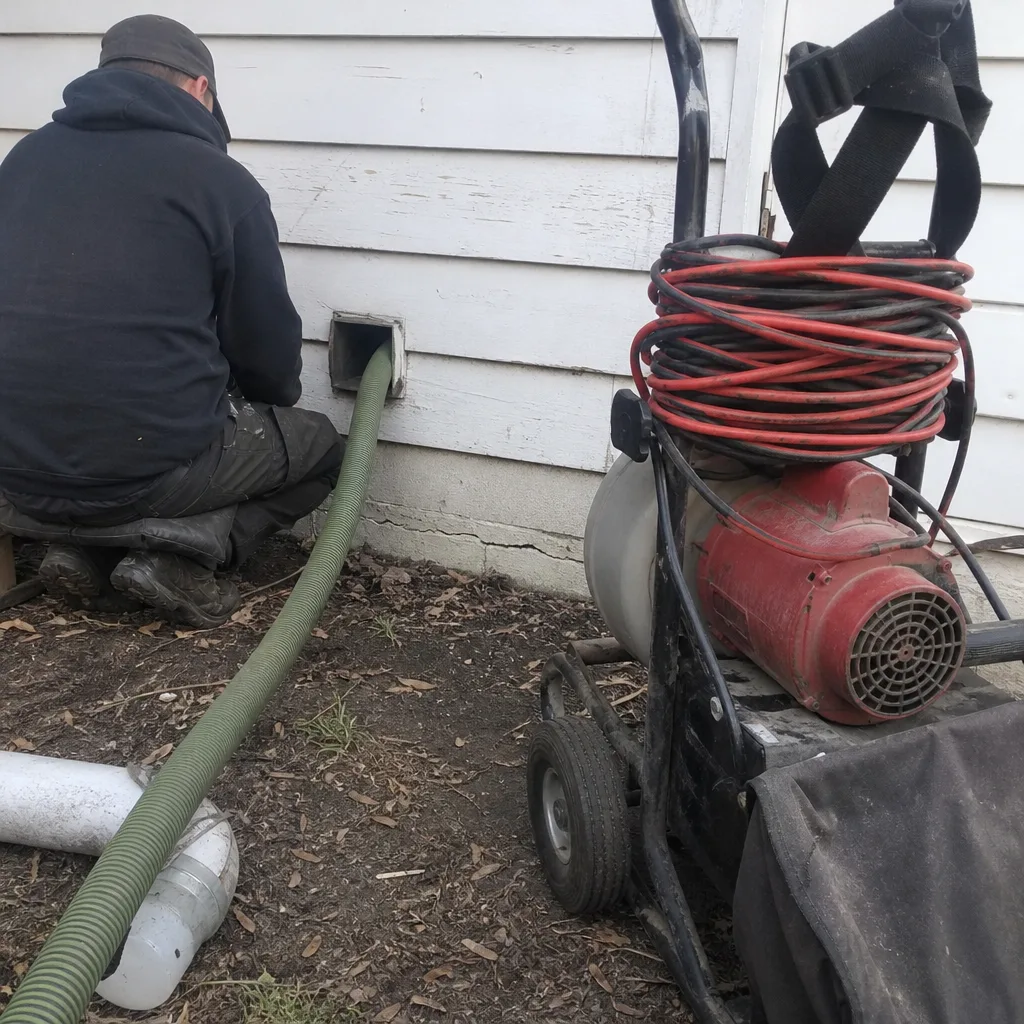
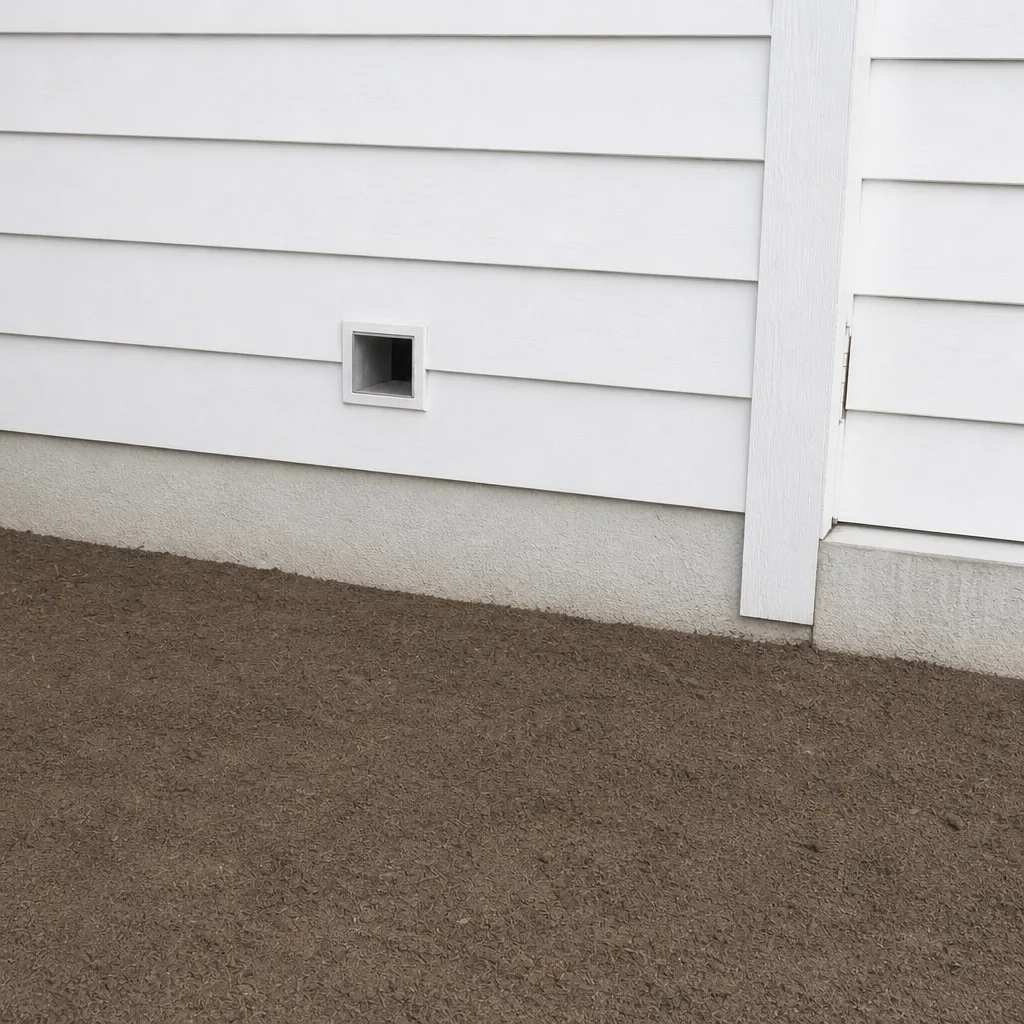
Whole-system duct and dryer vent check with before-and-after photos - you see exactly what came out of your vents
That "$99 whole-house special" is a bait ad - the real number appears once they are in your hallway, or the "clean" is a shop-vac at the register. We photograph the inside of your ducts before and after instead.
Air Duct Cleaning Maintenance Checklist for St. Paul Homeowners
The filter you’re running right now may be making your ducts dirtier faster. That sounds backwards, so it’s worth sitting with for a second. A MERV rating that’s too high for your blower motor restricts airflow, throws your air handler into a pressure imbalance, and starts lifting debris off duct walls that would otherwise have stayed settled on the bottom where it does no harm. Most homeowners never hear this, because most cleaning companies sell a cleaning, not a maintenance loop. This guide walks you through a month-by-month checklist built around how St. Paul homes actually heat, cool, and breathe across the year, plus how to read your own registers, pick the right filter, and know which tasks you should never take on yourself.
Quick Answer
Air duct cleaning in St. Paul should sit inside a maintenance loop rather than run as a one-off event: a filter swap on a schedule that matches your system’s airflow tolerance, a register check each season, dryer vent cleaning once a year, and a full professional duct cleaning every few years depending on pets, renovations, and how hard your system has been working. Homes that follow the loop typically stretch the interval between full cleanings and file fewer air quality complaints in between. The checklist below turns that loop into something you can actually keep up with.
Styles & brands we work with
- Whole-home duct cleaning
- Dryer vent cleaning
- Camera inspection
- Sanitizing & deodorizing
Table of Contents
- Why Duct Cleaning Is a Loop, Not a One-Time Event
- The Month-by-Month St. Paul Duct Maintenance Checklist
- The Filter Selection Matrix: Matching MERV to Your System
- How to Read Your Supply and Return Registers
- What to Log and What to Tell a Technician
- Owner-Serviceable Tasks vs. Tasks That Need Professional Equipment
- Dryer Vent Cleaning: The Annual Node You Shouldn’t Skip
- Common Mistakes to Avoid
Why Duct Cleaning Is a Loop, Not a One-Time Event
A duct system doesn’t get dirty in a vacuum. It gets dirty because the air moving through it carries dust, and because the box the air passes through collects that dust wherever the flow slows down. Change the flow and you change how the dust piles up. That’s the whole reason a maintenance loop beats a once-a-decade cleaning: you’re not just removing what’s there, you’re managing what gets deposited next.
St. Paul makes this point for us every year. The Twin Cities swing from a long heating season to a humid summer and back, and each transition changes how your system runs. Furnace season sends months of dry, warm air through the ducts. Cooling season sends cooler, damper air. The debris that settles looks different at the end of each. If your only intervention is a full cleaning every several years, you spend most of that interval letting the inside of your walls drift.
In our experience, the homeowners who get the longest interval between cleanings aren’t the ones who pay for the most expensive service. They’re the ones who keep the filter honest, watch the registers, and log what they see. That pattern holds whether you’re in a 1920s bungalow near Como Park or a newer townhome in Highland Park.
One more thing about the loop: not every node on it is a cleaning. Some nodes are inspection, some are repair. Ductwork gets knocked loose during renovations, flex pipe separates at the collar, seams open up. A cleaning that runs over a disconnected duct has cleaned around a problem, not solved it. That’s why Ambassador Air Duct Cleaning treats repair as part of the same job rather than a separate visit months later.
The Month-by-Month St. Paul Duct Maintenance Checklist
The right checklist for a St. Paul home is not a generic national checklist. National advice assumes a uniform climate and a uniform HVAC season. St. Paul has a sharp heating season and a short, humid cooling season, and the maintenance tasks fall where they do because of that rhythm. Here’s how the year actually breaks down for us.
- January through February: furnace peak. Filter check every 30 days, no exceptions. This is the month your system moves the most air for the longest stretch. Glance at the supply registers going into the coldest weeks and note any that feel weak.
- March: transition inspection. Walking the house once as the season turns, look for dust shadowing at register grilles. Frost-melt weeks are also when you notice if a humidifier has been doing its job; a whole-home humidifier that’s out of tune makes for a much drier duct environment.
- April through May: filter swap before cooling season. Change the filter, then run the AC for a short cycle and check the return register for a new dust line. If you see one, the filter was overdue.
- June through August: cooling season. Filter check monthly, and be more attentive to humidity than you’d think. Long, sticky St. Paul summers make the interior of the duct system a better home for biological growth than winter does. This is the season to book a professional inspection if you’ve noticed lingering musty smells.
- September through October: pre-furnace check. Swap the filter, walk the registers, and schedule your full duct cleaning if it’s on the cycle. Getting the cleaning done before the furnace starts running catches the summer’s accumulation before it gets baked into the heating season.
- November through December: heating season returns. Filter month check and one good look at every return register. If you’ve had a renovation over the year, this is when the construction dust shows up in the air it didn’t before.
Alongside the monthly rhythm, two tasks run on their own annual clock. Dryer vent cleaning happens once a year for most St. Paul households, and it’s a safety task, not a comfort one. A professional air duct cleaning happens every few years depending on the loop above.
City-specific note: many St. Paul homes run whole-home humidifiers through furnace season, and products from Honeywell and Aprilaire are common in local installations. Keeping that humidifier clean and set correctly supports the duct loop. A humidifier that’s running too wet puts moisture into the airstream, and moisture plus settled dust is the combination that turns into a problem you’ll smell before you see.
The Filter Selection Matrix: Matching MERV to Your System
Your filter is the single most powerful lever in this whole loop, and most homeowners set it wrong. The instinct is to buy the highest MERV rating on the shelf, on the logic that capturing more particles means cleaner air. What that ignores is that every filter adds resistance to the airstream, and every blower motor has a limit to how much resistance it can overcome.
When the filter is too restrictive, static pressure climbs, airflow drops, and the system starts doing odd things. The blower works harder. The pressure imbalance can reverse flow in sections of duct that were never designed to see it. And the extra vacuum effect at the ducts can start to lift settled debris off the floor of the duct back into the air. That’s the mechanism behind the opening line of this guide.
Here’s how we’d frame the decision:
- MERV 8 or lower: The safe default for most older St. Paul homes with standard blower motors. Adequate filtration for the general dust load and minimal pressure impact. Works well for a household with no allergy concerns and no pets.
- MERV 11 to 13: A reasonable step up for allergies or pets, but only if your system’s blower tolerates it. Many newer, variable-speed units do; many older ones do not. If you’re unsure, this is exactly the kind of question to ask a technician during a free estimate.
- MERV 13 to 16: High-efficiency territory. Typically needs a system designed for it, often with a thicker media cabinet rather than a 1-inch slot filter. Putting a 1-inch MERV 16 filter into a slot filter designed for a MERV 8 will strangle airflow.
- HEPA: Whole-house HEPA filtration is a separate appliance, not a filter swap. It’s a legitimate choice for specific health situations, but it changes the pressure dynamics of the whole system and should be installed correctly.
The practical test: after a week on a new filter, check the return register. If it’s pulling visibly more dust than before, the filter is either working very hard or the airflow through it is disturbing settled debris, and those are opposite conclusions. A professional call sorts out which. If you’re not sure your filter setting is right, ask during the estimate when you book air duct cleaning in St. Paul.
How to Read Your Supply and Return Registers
Registers are the diagnostic window into your duct system. A professional uses a camera and airflow meters, but a homeowner with a flashlight and a notepad can learn a surprising amount without ever opening a duct. What you’re looking for is not “clean” versus “dirty” in the obvious sense. You’re looking for debris signatures, because different signatures point to different underlying problems.
Pull the grille off one return and one supply in a central room, and one return and one supply in a room that’s felt off. Look with a flashlight, then note what you see.
Pet dander buildup
Fine, gray-tan, slightly clumped against the duct walls in bands where the airflow slows. Tends to collect on the bottom and lower sides of the return. If you see this in the supply, it means debris is being pushed past the filter, which usually says something about filter condition or fit, not the pet.
Construction dust
Sharper, more angular appearance. Fine grit that looks like drywall dust or sawdust, often reddish or tan. It shows up after a renovation, and it settles harder and faster than normal household dust. It also coats the blower wheel, which is not something you should try to clean yourself. If you’ve had work done on the house in the last year, expect to see this and plan accordingly.
Mold precursors
Dark, musty-looking patches or a greenish-black film on the duct interior. If you can smell a damp, earthy odor near a register, treat that as the reliable signal, and schedule a professional inspection. Do not go in and try to clean it yourself; the disturbance risk and the need for proper containment make it a professional job. This is one of the situations where a company with Abatement Technologies equipment earns its keep.
Evidence of a broken duct
Look for a register that feels weak next to one that feels strong, particularly between floors. A disconnected duct in the attic or basement often shows up as a room that’s hard to keep comfortable. If you see this, note it. A technician can confirm the break on-site.
If you’re in an older St. Paul house with original metal ductwork, you may also see small rust spots or joint separation. Both are worth noting, but neither is a homeowner fix.
What to Log and What to Tell a Technician
The difference between a generic cleaning and a targeted one is the quality of the information the technician walks in with. A company that cleans every house the same way is going to miss the specific problems in your specific house. A company that shows up knowing where to look will spend real effort on the zones that matter.
Keep a simple log file, a notebook, or a note on your phone. The categories that matter:
- Dates of filter changes. Include the MERV rating and whether the filter looked heavily loaded or lightly loaded.
- Room-by-room airflow notes. Simple subjective ratings (“living room strong, upstairs bedroom weak”) are enough. Re-check the same rooms next month and see if the rating shifted.
- Odor observations. Any musty or dusty smell, which rooms it’s strongest in, and when it started.
- Recent renovations. Dates and scope. This matters enormously for how we approach a cleaning.
- Pets and their habits. Number and type. This affects the debris load and the sensitivity level at inspection, not just the cleaning itself.
- Register observations. Which register you looked at, what signature you saw, and a phone photo.
When you call for an estimate, share those notes. Tell us the two weak rooms, the one weak register, and the fact that the kitchen was gutted in November. Your technician can then focus on the disconnects and debris zones that predict those symptoms, rather than treating every run of duct in the house as equally interesting. A generic cleaning is what the industry has trained homeowners to expect; a targeted one is what you get when you hand over a log.
That’s also how we get to a fair, flat price per system. Every quote we write is one price for the whole job, agreed before any technician opens a register. No per-vent pricing games, no teaser coupon that becomes a larger invoice on the day. If your log is thorough, the estimate is tighter.
Owner-Serviceable Tasks vs. Tasks That Need Professional Equipment
A check worth making before you touch anything: not every maintenance task is a DIY task, and a few are genuinely dangerous if attempted with the wrong tool or the wrong approach. Here’s a straight split.
Genuinely owner-serviceable
- Changing the filter on the schedule in the matrix above.
- Pulling register grilles to look inside with a flashlight, then putting them back.
- Vacuuming the face of a register grille with a household vacuum and a brush attachment (never inside the duct).
- Keeping notes and photos in a log.
- Scheduling the annual dryer vent cleaning and periodic duct cleaning.
- Cleaning or setting the whole-home humidifier per its manufacturer guidance.
- Clearing the immediate area around the furnace and air handler of anything that might restrict airflow or be pulled into the return.
Needs professional equipment and training
- Any work inside the duct. Professional cleaning relies on contact agitation with equipment like a Rotobrush or Nikro system, and a household shop vac will not only miss most of the debris, it will re-suspend more than it removes. You can also damage the duct lining with the wrong attachment.
- Mold or suspected biological contamination. This requires containment, negative pressure, and appropriate treatment; consumer tools don’t get there. And disturbing it without containment spreads it into living space.
- Duct repair. Disconnected ducts, sealed seams, and replacement sections require the right materials and the ability to work safely in tight attic or basement runs.
- Dryer vent cleaning. Lint removal from the full run of the dryer vent line is a fire-safety task. A household vacuum will not clear a blocked vent, and pulling the wrong thing out of a vent can leave it worse off. Professional work here directly addresses one of the leading causes of residential house fires.
- Anything involving the electrical panel or gas line on the furnace or air handler. Do not go in. This is a licensed-trades job, full stop.
- Steep-roof, attic, and crawlspace access. St. Paul has plenty of both, and heat exposure in an attic in August is not something to underestimate.
- Testing airflow and static pressure. Meters and training, both.
If you’re ever unsure which side a task falls on, the default is to leave it and ask. When you book with us, every job uses professional-grade equipment, including Rotobrush and Nikro systems, and when the situation calls for containment, our Abatement Technologies setup lets us handle it properly.
Dryer Vent Cleaning: The Annual Node You Shouldn’t Skip
Of everything on this checklist, dryer vent cleaning is the one where skipping it has the most serious possible consequence. Lint is remarkably flammable, and a dryer vent that’s restricted does two problematic things at once: it traps lint where it can accumulate, and it makes the dryer run hotter and harder, increasing the conditions that risk it catching. Dryer vent cleaning is a fire-prevention service, not a comfort upgrade.
In St. Paul, this is a yearly task for most households. If your dryer is running long, your laundry is coming out warm but damp, or you can feel a strong lint buildup at the outside vent hood, those are your signals to book it now rather than wait. Doing this once a year keeps the vent clear and gives your dryer an easier job, which extends its life.
Note that this is a separate service from duct cleaning and it targets a completely different system. A cleaning company that walks the interior ducts and leaves the dryer vent alone has covered half your home’s ductwork. dryer vent cleaning should appear on the same annual plan as filter maintenance because it belongs on the same home-safety calendar.
Common Mistakes to Avoid
- Buying the highest MERV filter on the shelf. This is the mistake that quietly follows the homeowner for the whole year. A too-restrictive filter can push the system into an airflow imbalance and pull settled debris back into the airstream. Match the filter to your blower, not to the shelf marketing.
- Assuming a full cleaning is the answer to every air quality question. Sometimes the answer is a disconnected duct, a filter swap, or a humidifier tune-up. Cleaning around a structural problem is a half-job.
- Skipping the return registers. Supply registers are visible and get attention; returns show the worst of the debris load in most St. Paul homes, particularly in older houses with limited return capacity.
- Using a shop vac to “clean” the ducts yourself. Consumer vacuums lack the airflow and filtration to move duct debris out of the system. They re-suspend more than they remove and can damage ductwork lining. This is a professional-equipment task.
- Forgetting the dryer vent. It’s the one task on the list with a fire-safety dimension, and it’s the one most often deferred. Keep it annual.
- Not logging anything. Without notes, every technician visit starts blind, and you get a generic cleaning when a targeted one was available.
- Calling in winter for an issue that started in summer. A musty smell noticed in June is much cheaper to sort out in June than in December, and by then it has had six months to move into the air the household breathes. If you smell it in St. Paul summer, note it, then call.
See the difference
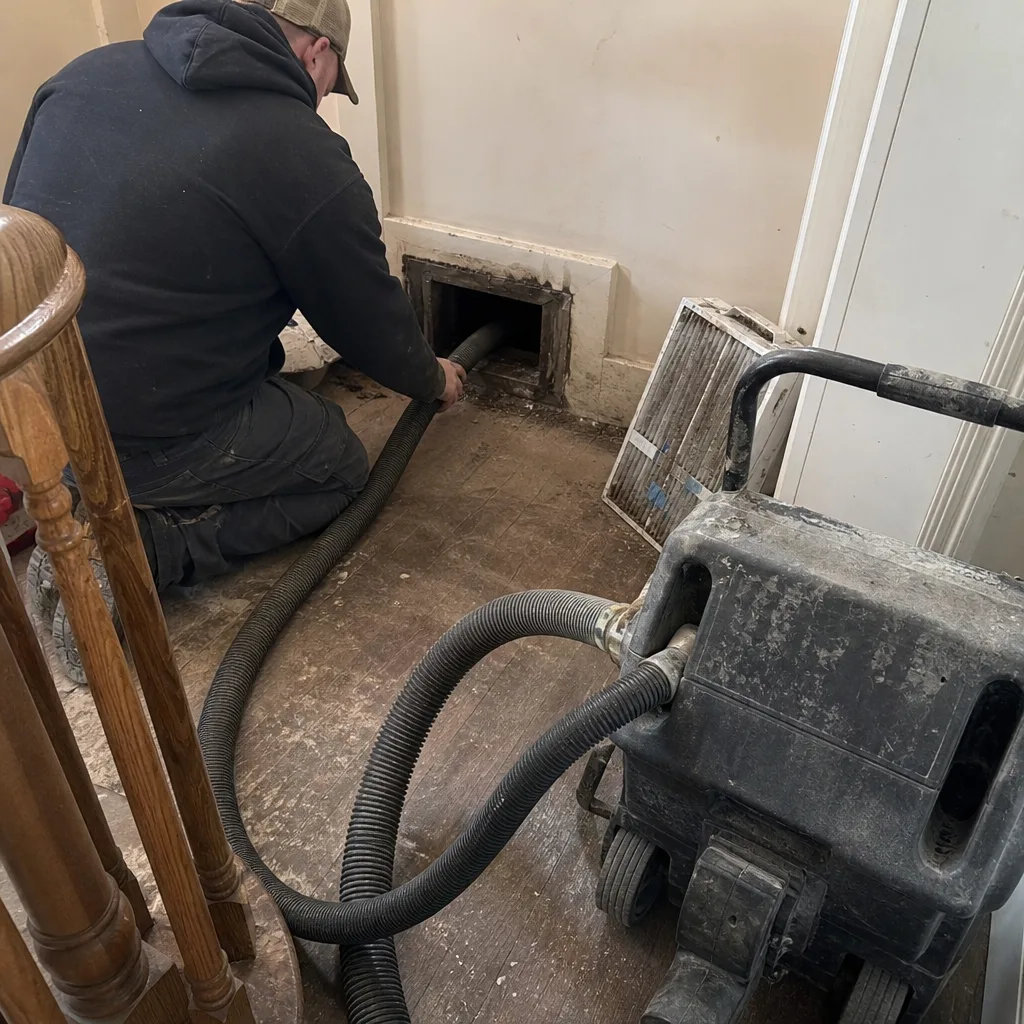 Before
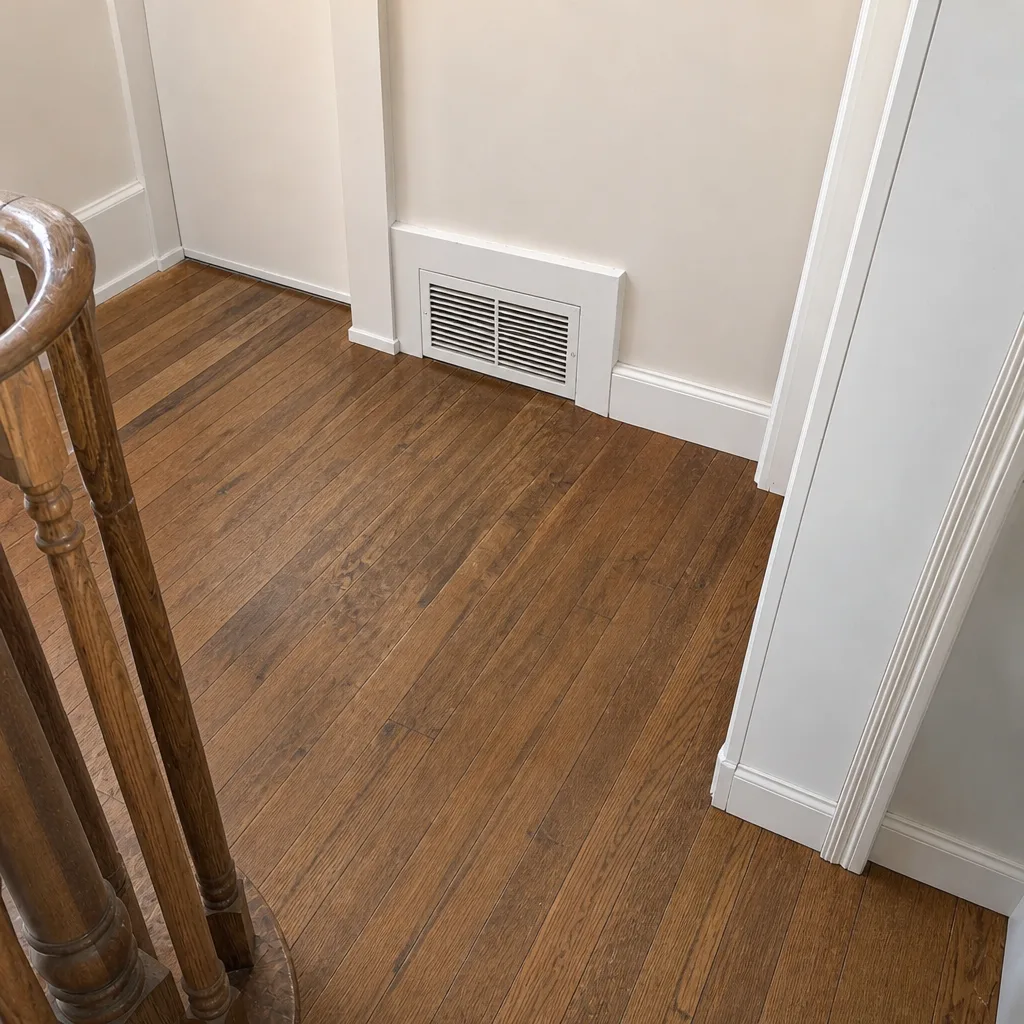 After
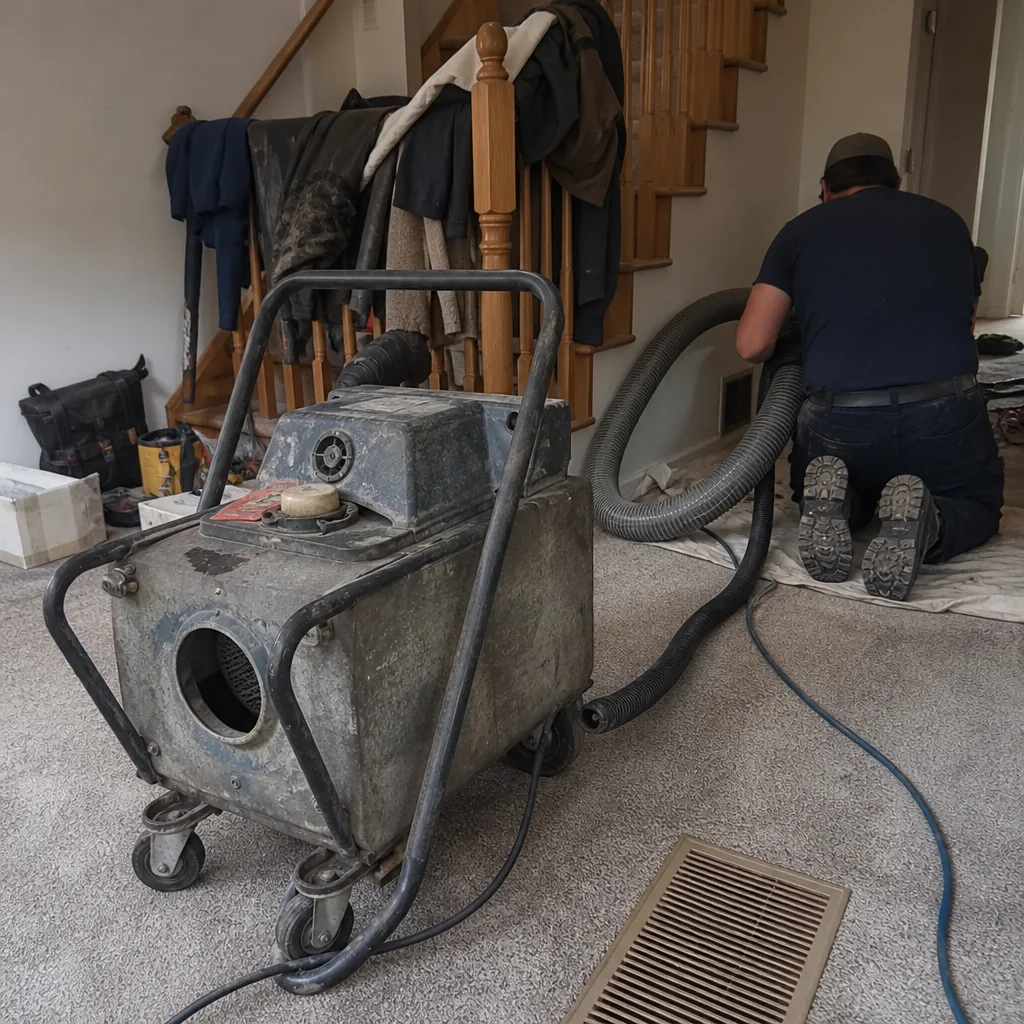 Before
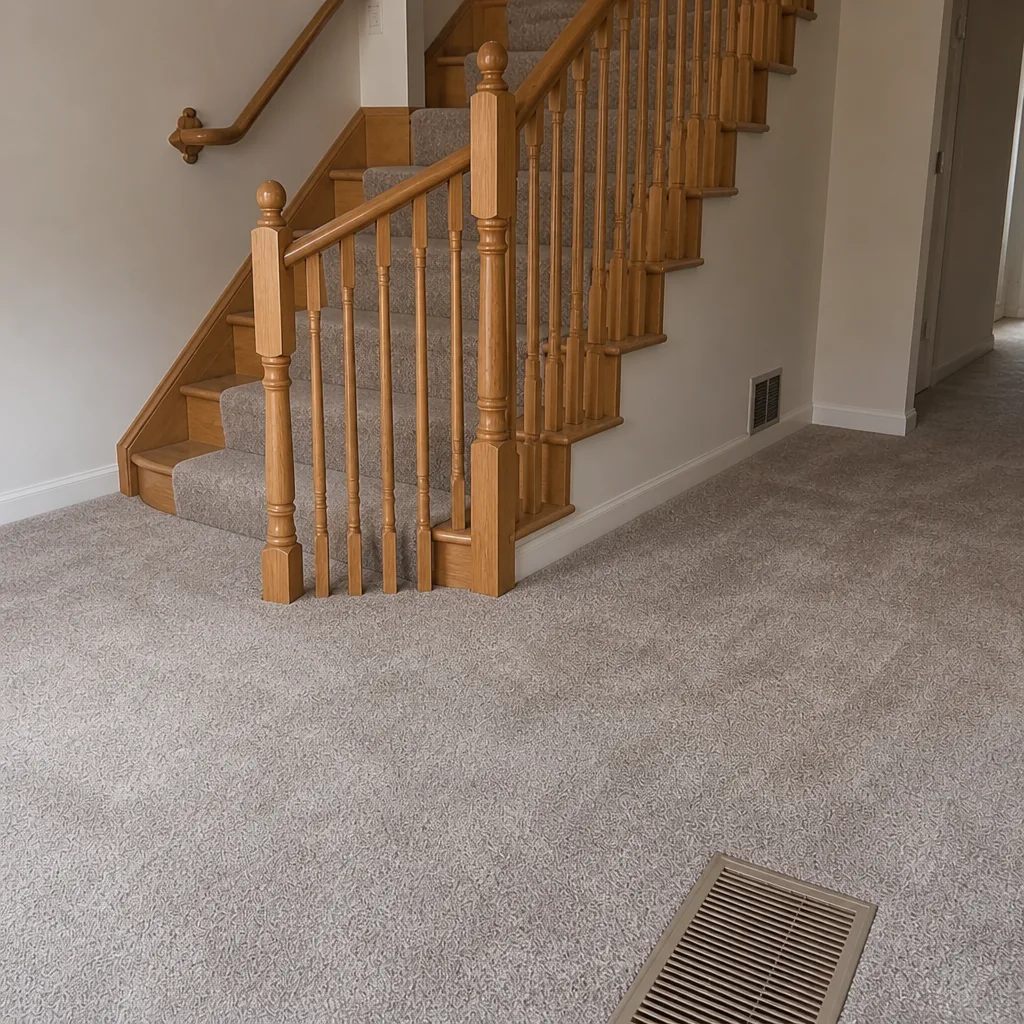 After
 Before
 After
When to Call a Professional
Most of this checklist you can run yourself. A few situations need a call the day you notice them: a musty smell that lingers, visible dark or greenish patches inside the duct, a family member whose allergy symptoms spike whenever the HVAC runs, a register that feels weak enough that a room is uncomfortable, a renovation within the last year, a dryer that’s running hot or slow, and any duct repair concern. Those are the situations where the checklist has done its job by flagging something and the answer is a professional on-site. Ambassador Air Duct Cleaning offers free estimates in St. Paul. Call (888) 501-7655. We answer 24/7. Fast dispatch from 7am to 7pm, Sunday through Friday.
Frequently Asked Questions
Most jobs come out to several hundred dollars for the whole system, priced per system rather than per vent. That’s the honest answer, because per-vent pricing is where bait-and-switch lives: a coupon price quoted on a single vent turns into a much larger invoice once a technician is on site and every register is counted. We quote one flat price per system and agree it before work starts, with a written estimate. Call (888) 501-7655 for an exact quote; estimates are free.
Every few years for most St. Paul households, with the interval shrinking for homes with pets, recent renovations, older ductwork, or allergy concerns, and stretching for homes that stay on top of filters and register checks. The loop is what pushes the interval out. Call (888) 501-7655 and we’ll talk through your specifics.
Cheap quotes usually strip a job down to a shop vac pass over the accessible duct, with no agitation, no containment, and no inspection. Professional-grade equipment like a Rotobrush or Nikro system, and containment for contamination situations, is what separates a real cleaning from a cosmetic one. The price is set per system by the written estimate, not per vent, so you can compare two quotes apples to apples. Call (888) 501-7655 for one.
Ask for before-and-after photos of your own ducts, and read the written scope of work that comes with the estimate. If either is missing, ask. We supply before-and-after photos on every job because “trust us” isn’t a deliverable. Call (888) 501-7655 to see how a real estimate is put together.
Yes, when the MERV rating is too high for the blower’s pressure tolerance. A restrictive filter drops airflow and creates pressure imbalances, and the imbalance can pull settled debris off the duct floor back into the air. Match the filter to your system, not to the shelf. A free estimate is the moment to ask which MERV your system tolerates; call (888) 501-7655.
Yes. Duct repair is one of our three core services, and we diagnose disconnects and structural problems before cleaning, so the job addresses the real issue rather than cleaning around it. That’s why we say we repair what others only clean around. Call (888) 501-7655 to talk through a St. Paul duct repair or cleaning estimate.
The Bottom Line
The St. Paul duct maintenance checklist is a loop, not a shopping list. Keep the filter matched to your blower and changed on schedule, walk your registers once a season, log what you see, and book professional cleaning every few years and dryer vent cleaning annually. Treat the register walk as real inspection data and hand it to the technician. That loop is what keeps the interval between full cleanings long and the air quality complaints short. Your home in St. Paul gets the benefit of every node you keep up with, and you get the quiet satisfaction of not paying twice for what proper maintenance would have prevented.
If you’d like help with a step on the checklist, Ambassador Air Duct Cleaning connects homeowners in St. Paul with independent local professionals who perform the work. Our technicians have up to 10 years of experience, and every job uses professional-grade equipment from Rotobrush, Nikro, Abatement Technologies, Honeywell, Aprilaire, and Guardsman. Call (888) 501-7655 for a free estimate. We answer 24/7. Fast dispatch from 7am to 7pm, Sunday through Friday.
Written by the team at Ambassador Air Duct Cleaning.