
Last updated November 15, 2026
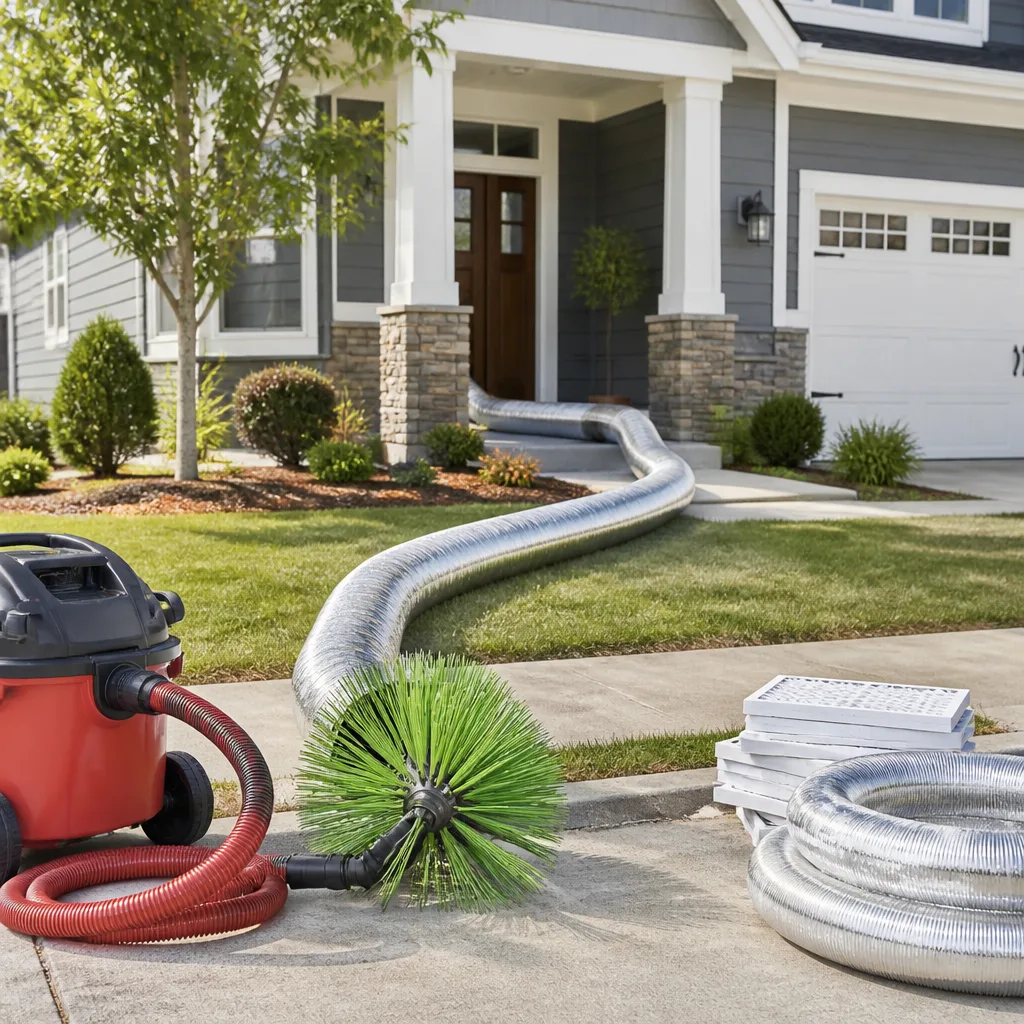 Whole-home duct cleaning
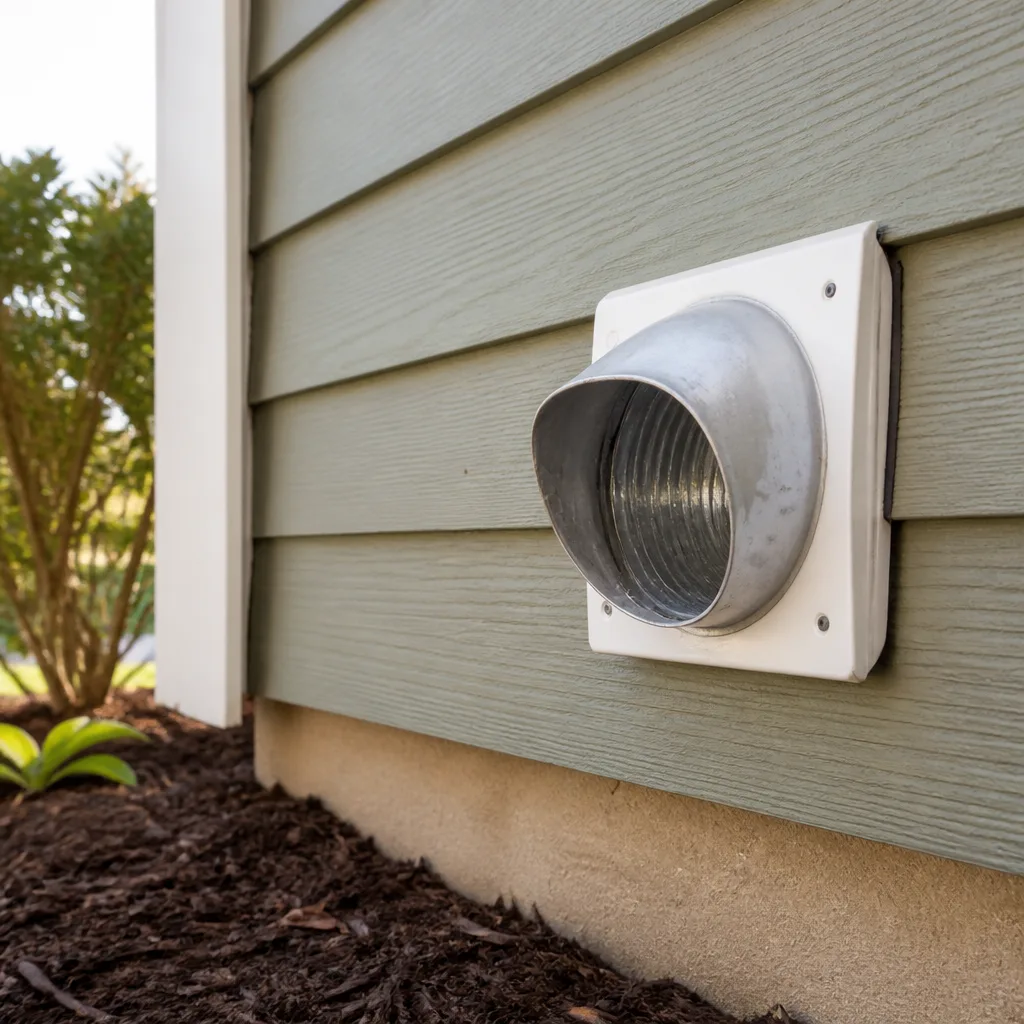 Dryer vent cleaning
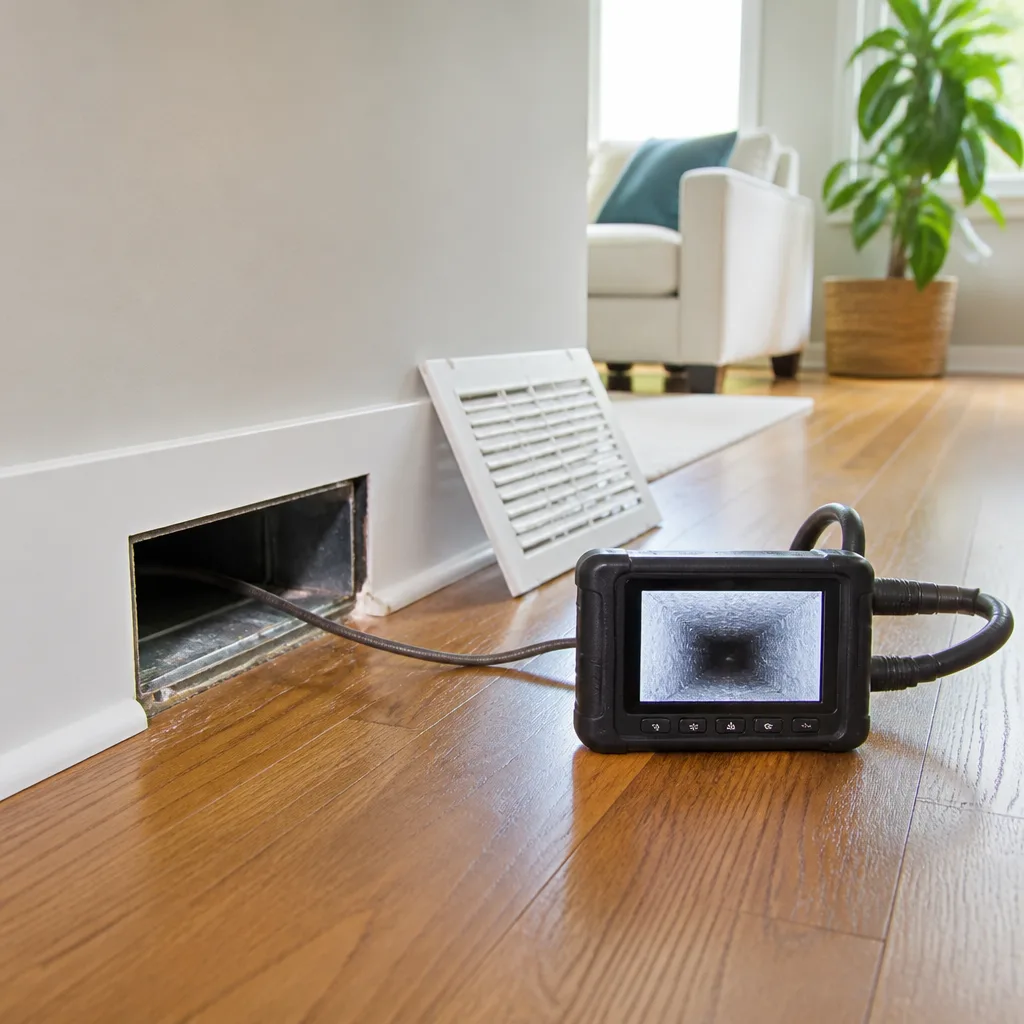 Camera inspection
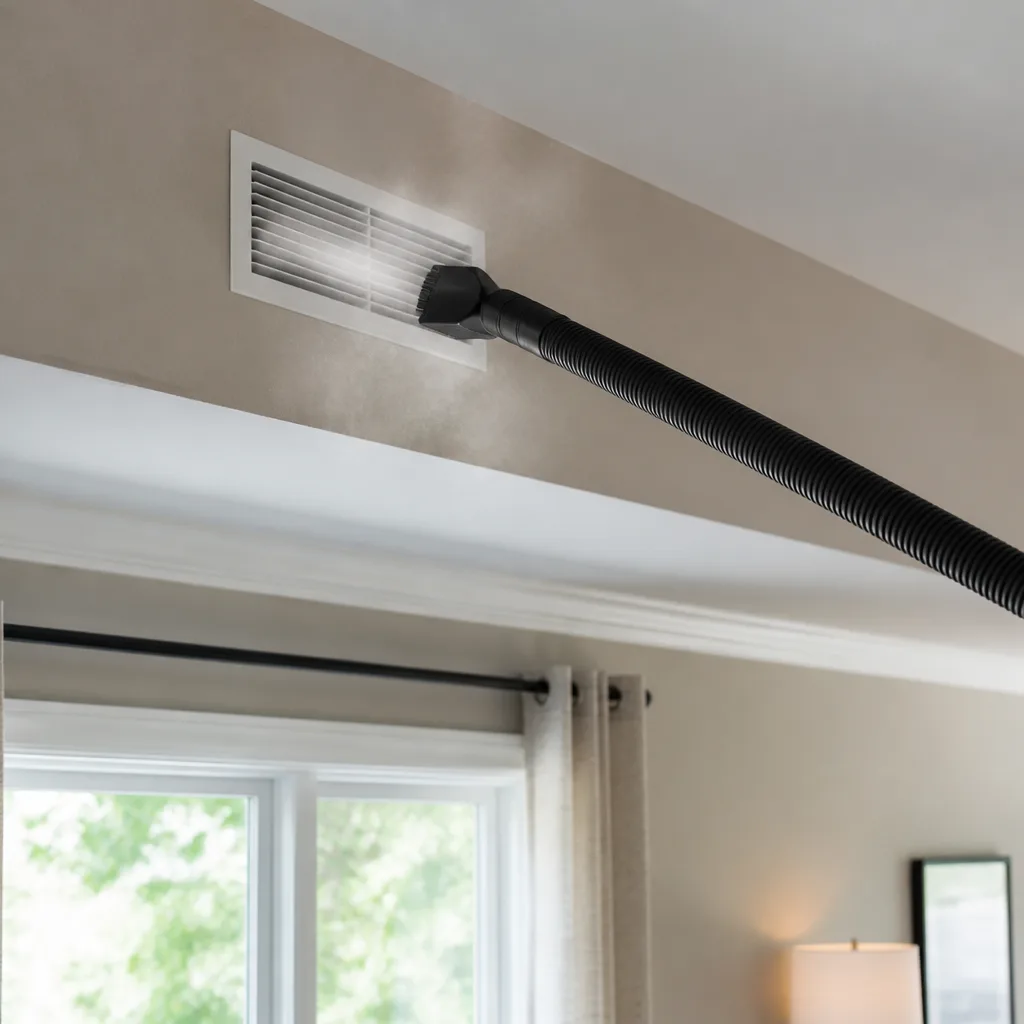 Sanitizing & deodorizing
Whole-system duct and dryer vent check with before-and-after photos - you see exactly what came out of your vents
That "$99 whole-house special" is a bait ad - the real number appears once they are in your hallway, or the "clean" is a shop-vac at the register. We photograph the inside of your ducts before and after instead.
Seasonal Air Duct Cleaning Care for St. Paul: Year-Round Homeowner’s Guide
Most St. Paul homeowners call for duct cleaning in late April. It feels logical: winter is over, the furnace is winding down, and the house is due for a reset. But late April is also when ductwork is carrying its heaviest load of settled debris after five months of continuous heating operation, which means the cleaning happens right when the system is least prepared for the switch to cooling. The better approach is to time cleaning and maintenance to the four distinct contamination windows that St. Paul’s climate creates each year. This guide walks through each season, what it stresses in forced-air ductwork, and how to plan around it.
Quick Answer
Air duct cleaning in St. Paul works best when it’s scheduled to match seasonal stress rather than a fixed annual date. Late summer (right before heating season starts) and early spring (right after it ends) are the two highest-value windows for most homes, with targeted inspections at the October furnace switchover and after any renovation. Homes with allergies, pets, or recent remodeling often benefit from a cleaning every two to three years; homes with clean habits and no pets can stretch to four or five.
Styles & brands we work with
- Whole-home duct cleaning
- Dryer vent cleaning
- Camera inspection
- Sanitizing & deodorizing
Table of Contents
- Why St. Paul’s Climate Stresses Ductwork Differently
- Winter: Humidity Loss and Static Buildup
- Spring: The Mold-Risk Window
- Summer: Cooling Condensation and Idle Ducts
- Fall: Pre-Heating-Season Inspection Checklist
- Post-Renovation Timing: Why It Matters More Than Most Guides Admit
- Coordinating Filter Changes with HVAC Service and Duct Cleaning
- Signs You Missed a Seasonal Window
Why St. Paul’s Climate Stresses Ductwork Differently
St. Paul sits in a climate zone that cooks ductwork through four distinct phases every year. Furnaces run hard from roughly November through March. Air conditioning carries the load from June through early September. The two in-between windows – late March into May, and September into October – are when the system either sits mostly idle or runs intermittently. Each phase changes what’s happening inside the ducts: temperature, moisture, static charge, and what’s being pulled in from the living space.
Compare this with a milder climate where the furnace and AC both see moderate use year-round. Duct contamination accumulates more evenly there. In St. Paul it accumulates in bursts, and the burst patterns repeat: heavy heating season deposition in winter, moisture intrusion in spring, condensation risk in summer as cool air runs through ducts that were warm all winter, and a sudden restart of the furnace every October that blasts whatever settled over the summer back into the living space.
That’s why a fixed annual cleaning date – say, the same week every April – misses the point. The right sequence is to clean in response to what the ductwork has accumulated, then inspect and touch up before the next load-bearing season begins. For homes in older St. Paul neighborhoods like Highland Park or the East Side, where duct runs are often original to homes built before modern sealing practices, the seasonal rhythm matters more than in new construction because leaks let outdoor air and dust in from basement rim joists and attic chases.
We repair what others only clean around, and part of that work is identifying where seasonal stress has opened leaks, joints, or seams. A cleaning that ignores a summer-condensation problem just moves the debris around; a cleaning paired with a real inspection can fix the cause.
Winter: Humidity Loss and Static Buildup
When temperatures drop in St. Paul, indoor relative humidity drops with them. Cold outdoor air holds almost no moisture, and every time it’s drawn into the house and heated, its relative humidity falls further. Furnaces running continuously dry the air even more. The result inside ducts is a mix of low humidity, high static charge, and constant airflow that acts like a conveyor belt for fine dust, pet hair, and skin cells. Static buildup inside metal duct runs actually attracts and holds particles that would otherwise pass through, which is one reason winter is when a lot of accumulated material settles in places a cleaning brush needs to reach.
What to watch for mid-winter:
- Visible dust plumes at supply registers when the furnace kicks on.
- Static shock when touching register grilles or door hardware.
- Dry, dusty smell in rooms the furnace has been heating for hours.
- Filter loading that seems faster than usual (checking monthly is normal, replacing monthly is a sign).
Humidity loss is the part most homeowners try to solve at the wrong end. Adding a whole-home humidifier helps comfort but doesn’t clean the ducts, and adding moisture to a dust-loaded system can make things worse because moisture binds with dust on duct surfaces. The right order is a cleaning, then humidity control, then a filter routine kept in sync with heating season.
If winter brings a mid-season call – a filter that keeps clogging, a smell that won’t go away – the safest response is to inspect before assuming a full cleaning is needed. Rotobrush contact cleaning on the runs that need it, plus a look at the air handler and return plenum, is often enough to reset the system for the rest of the heating season.
Spring: The Mold-Risk Window
Spring in St. Paul is the moisture season for ductwork. As outdoor temperatures climb past freezing, snowmelt and rain raise outdoor humidity, and basements and crawl spaces – common in St. Paul’s older housing stock – pick up moisture first. Meanwhile, the furnace is still kicking on in the morning and shutting off by midday, so duct interiors warm and cool repeatedly. Every warm-cool cycle pushes humid air into contact with cool duct walls, which is the classic setup for condensation. If there’s any settled dust or organic material on those walls, that’s a mold-risk window.
Spring is also when outdoor allergens arrive: tree pollen, then grass. If duct runs leak at joints, or if the return duct draws from a basement near a rim joist with gaps, those allergens enter the system directly. A properly sealed and cleaned system reduces that path; a leaking system doesn’t.
What spring calls for:
- Inspect before the AC switches on. Look at the evaporator coil area, the air handler cabinet, and the inside of accessible return plenum runs. Any dark spotting or musty smell near the coil deserves a closer look.
- Check basement and crawl-space humidity. If the basement stays above roughly 55-60% relative humidity without mechanical control, address that before adding anything to the duct system.
- Clean if winter deposition is heavy, or if any inspection turns up visible contamination.
- Plan the AC startup filter swap at the same time, so the first cooling run doesn’t pull spring pollen into an already-loaded filter.
For homes with family members who deal with seasonal allergies, spring cleaning on the ducts plus a filter upgrade is the highest-leverage combination available. It’s not a cure for allergies, but it removes a reservoir the system would otherwise recirculate for months.
Summer: Cooling Condensation and Idle Ducts
Summer flips the airflow problem. Cool air moving through duct runs that have been warm all winter creates condensation on any surface that stays below the dew point – most often the supply plenum, the evaporator coil housing, and any under-insulated duct run in a humid basement. St. Paul summers aren’t as humid as coastal climates, but July and August carry enough humidity that condensation remains a real risk when ducts are under-insulated or when the AC runs in short cycles.
The second summer issue is that the furnace sits idle for months. Any debris that wasn’t cleaned out in spring settles tighter. Dust on duct walls can cake onto the surface during the dry cooling cycles, making it harder for a future cleaning to lift it.
What summer work looks like:
- Inspect accessible duct runs for damp spots, discoloration, or insulation sagging away from the duct.
- Verify condensate drain lines from the AC are clear, since overflow can introduce moisture into the air handler area.
- Check the filter mid-summer – cooling season pulls just as much dust as heating season, and a clogged filter strains the blower.
- Repair any flexible duct that’s torn or disconnected, since those are open doors for humid basement air.
Air duct repair in summer often means resealing a run that failed during winter heating stress and is now pulling basement moisture into the supply. That’s exactly the kind of fix we handle directly, rather than cleaning around a problem that will return by fall.
Fall: Pre-Heating-Season Inspection Checklist
Fall is the most important window in the St. Paul duct calendar. The furnace that’s been idle since spring is about to start working hard, and anything sitting inside the duct system will be pushed into the living space within the first few heating cycles. This is why October is the month to catch problems – after summer’s idle period, before winter’s load arrives.
A practical checklist for forced-air systems that sat idle over summer:
- Look at every supply register. Remove the grille, use a flashlight, and check the first 12 inches of duct. Dark streaks, visible buildup, or a musty smell are all signs the run needs cleaning.
- Check the return air intake and filter slot. If the filter housing has visible dust on the furnace side of the filter, dust is already getting past the filter into the air handler.
- Inspect the air handler cabinet and blower compartment. Blower wheels that look dark or fuzzy are coated, which cuts efficiency and pushes dust back into the supply.
- Look at accessible basement and attic duct runs. Any disconnected flex, torn insulation, or loose joint needs repair before heating season starts pushing air through those gaps.
- Smell for mustiness. A musty smell in a St. Paul home in October, especially in basement-adjacent rooms, is a symptom worth investigating before the furnace runs all winter.
- Test the blower with the furnace running. A whistle, rattle, or unusually strong dusty smell at registers in the first 10 minutes of operation is a signal.
- Schedule a cleaning if any of the above turns up visible contamination, then change the filter at the same time.
For homes in the Midway or Frogtown that have gone multiple years without a cleaning, this checklist is where the seasonal approach pays off most. October is when the work protects the entire winter, rather than cleaning in April after the damage is already done.
Post-Renovation Timing: Why It Matters More Than Most Guides Admit
Most guides recommend cleaning ducts “after a renovation.” That advice is true but incomplete, because construction dust behaves differently depending on outdoor temperatures and what the HVAC system is doing. Drywall dust, sawdust from cutting dimensional lumber, and concrete dust from tile work are all highly mobile. In a warm, dry duct environment – spring through fall with the AC running intermittently – fine particles stay airborne longer and get pulled into returns more readily. In a cold-weather renovation with the furnace running hard, the same particles get pulled into the system and settle into warm duct surfaces where static charge helps hold them.
That distinction changes the timing:
- Warm-weather renovation: clean promptly after the final sanding and paint cure, before the first cooling-to-heating transition of the year. Dust is still mobile and the cleaning lifts it easily.
- Cold-weather renovation: clean after the last sanding coat, but hold the final cleaning until the furnace has run at least a few heating cycles, so any dust that settled during the work is fully stabilized on the duct surfaces and gets captured in one pass instead of two.
- Basement finishing or addition work in an older St. Paul home: plan for a return-duct inspection in addition to the cleaning. Renovations often reveal duct problems that predate the work – torn flex, disconnected boots, or runs that leak at every joint.
Professional-grade equipment matters more after a renovation than in routine cleaning, because the particle load is high and the material is fine. This is where Abatement Technologies containment equipment and negative-pressure setups earn their place on a job; a low-cost shop-vac setup will stir more dust than it removes.
Coordinating Filter Changes with HVAC Service and Duct Cleaning
Filter changes, HVAC service visits, and duct cleaning are three jobs that overlap in timing and purpose. Done on the same schedule, they reinforce each other. Done on separate schedules, they waste money and cancel each other out – for example, paying for a duct cleaning right after an HVAC tune-up that already disturbed settled dust, or cleaning ducts and then running a clogged filter for six weeks.
A practical sequence for St. Paul homes:
- Schedule HVAC service in early fall (before heating season). A tune-up on the furnace will disturb some settled dust in the cabinet and blower area, so it should happen before anything else.
- Clean the ducts after the HVAC service, in the same window. The cleaning captures what the service visit loosened, so you’re not paying twice for the same dust.
- Change the filter at the moment the cleaning finishes. A freshly cleaned system with a fresh filter is the reset point. Running the previous filter puts captured dust back in circulation.
- Track filter changes by pressure drop, not calendar date. If your filter looks dirty after three weeks in December, it’s doing its job – but you want to know why. A duct system that’s loading filters fast is a system that either needs cleaning or has a leak.
- For homes with Aprilaire or Honeywell media filters, size the replacement to the correct MERV rating for your system. Higher MERV isn’t automatically better – a filter that restricts airflow the blower wasn’t designed for strains the system and shortens its life.
- Repeat the cycle annually. HVAC tune-up, then duct cleaning if needed, then a fresh filter, in early fall.
For homeowners who want to reduce guesswork, Guardsman-associated accessories on the filter and humidification side give a consistent baseline that pairs cleanly with the seasonal routine described above.
Signs You Missed a Seasonal Window
Duct systems do send signals when timing has slipped. The good news is that a missed window isn’t a permanent problem – it just means the cleaning needed to happen at the next opportunity. Here’s what to look for at registers before calling:
- Dust plumes at supply registers on startup. A puff of visible dust the first 10-30 seconds after the furnace or AC kicks on usually means debris is sitting in the supply plenum or nearby duct runs.
- Persistent musty smell from one or two rooms. Localized smell often points to a specific duct run, not the whole system, and it’s usually the return that pulls from the smell’s origin.
- Filters loading much faster than they used to. If you’ve been on the same filter routine and it suddenly clogs in weeks instead of months, something in the system changed.
- Whistling or rattle at a register, especially after a seasonal switch. A duct joint that failed over winter or a run that loosened with summer condensation often shows up as sound before it shows up as visual dust.
- Visible dust on ceiling and wall surfaces near supply registers. When dust is being pushed out of a register and sticking to nearby surfaces, the duct is the source.
- Allergy symptoms that spike at the season change. Not diagnostic on its own, but it’s a useful signal combined with any of the above.
Any single item on that list is worth an inspection. Two or more is worth scheduling a cleaning. For St. Paul homes with pets, recent renovation, or original ductwork from decades-old construction, the threshold is even lower – one sign is enough to justify a look.
Common Mistakes to Avoid
- Treating duct cleaning as a fixed annual calendar event. Scheduling the same week every year and assuming it’s enough ignores the fact that St. Paul’s four seasons stress ductwork in different ways. Match the timing to what the system actually needs.
- Cleaning in April and stopping there. Late April catches settled winter debris but misses the summer condensation window. A quick inspection in early fall catches what April didn’t.
- Skipping the filter change at the moment of cleaning. A fresh cleaning with a loaded filter puts captured dust right back into circulation. Change the filter the same day.
- Assuming a cheap quoted price covers the whole system. Per-vent pricing is a common way for low-cost crews to advertise a low number and build upward once they’re on site. Ask for a single flat price per system, agreed before work starts.
- Calling for duct cleaning immediately after a renovation without inspecting the returns. Construction dust in a return duct is a heavier cleaning job than the supply side, and skipping return-duct attention leaves the source untouched.
- Adding a humidifier to a duct system that hasn’t been cleaned. Moisture plus dust equals stuck-on contamination. Clean first, then humidify.
- Overlooking the basement rim joist and crawl-space seals. St. Paul basements are a common entry point for dust and moisture. No amount of duct cleaning fixes a system that’s pulling from an unsealed basement.
See the difference
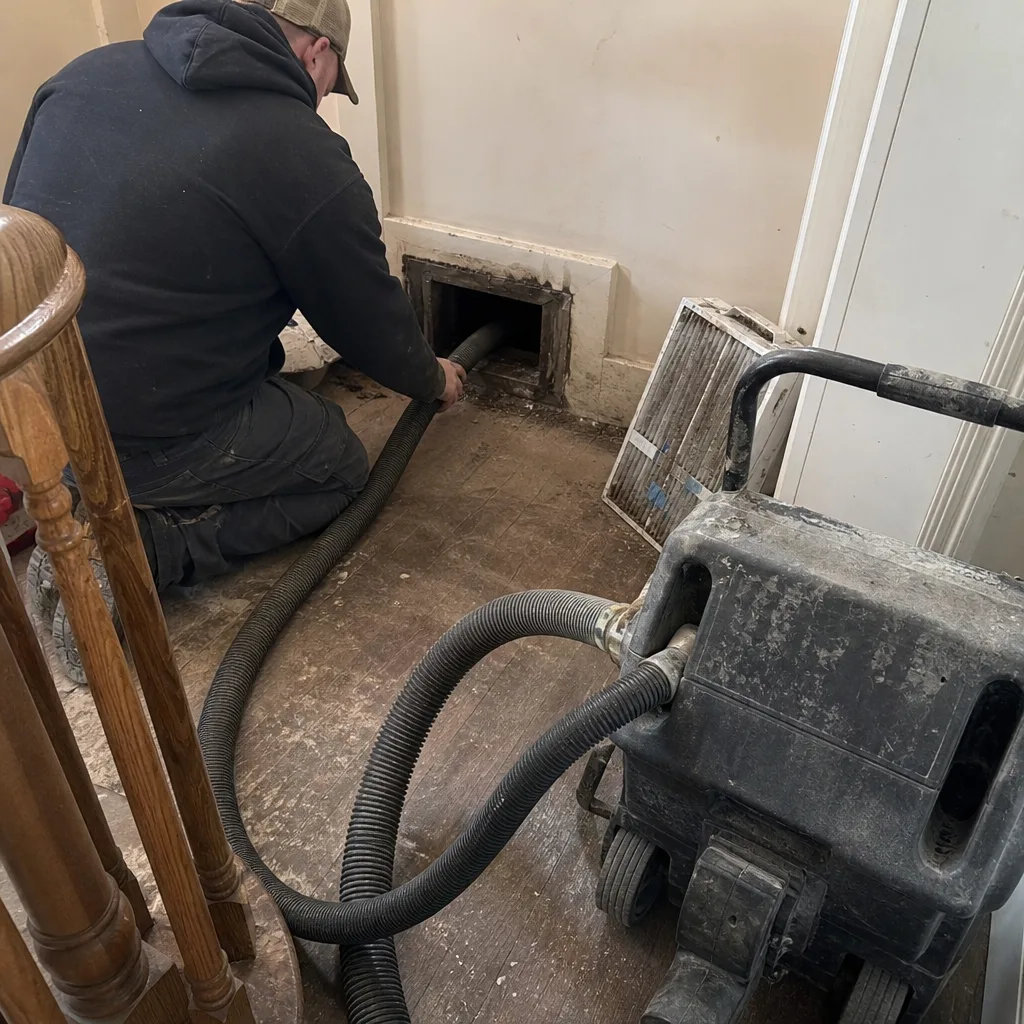 Before
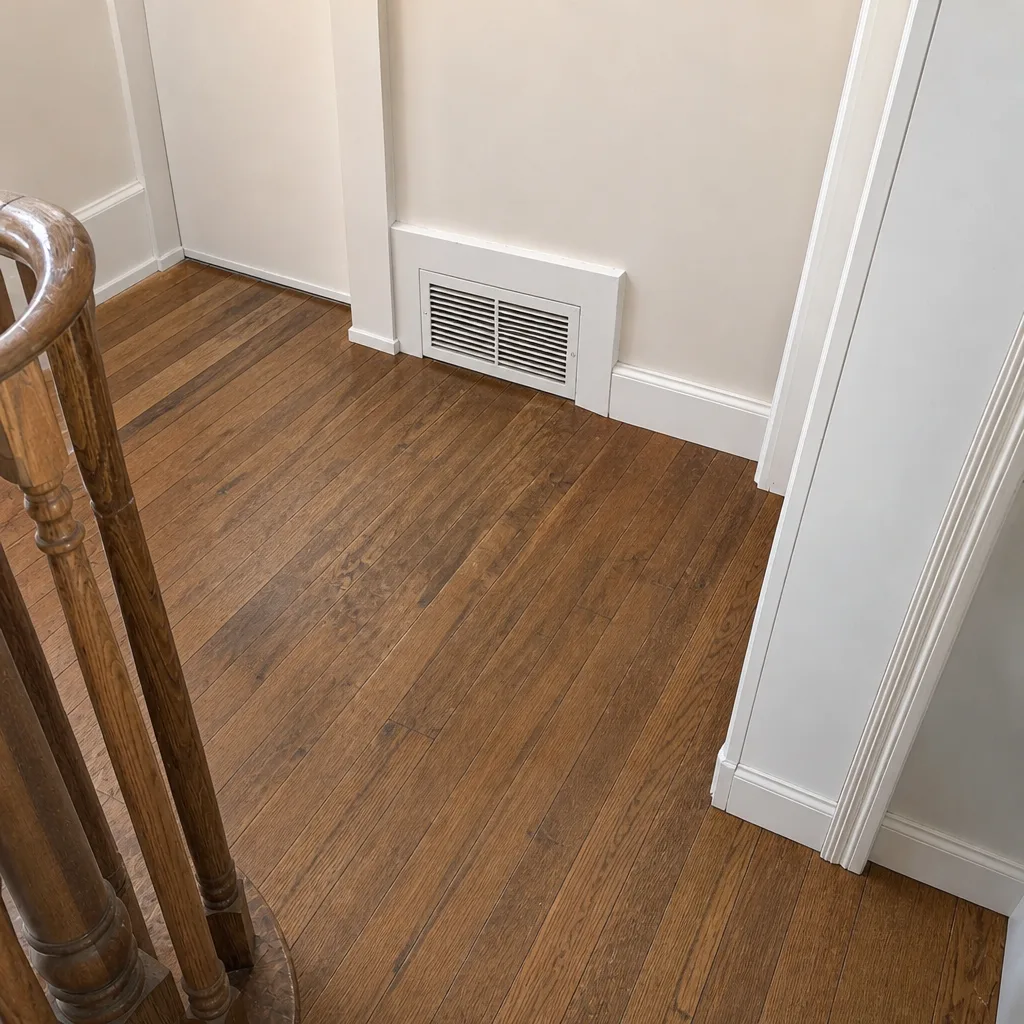 After
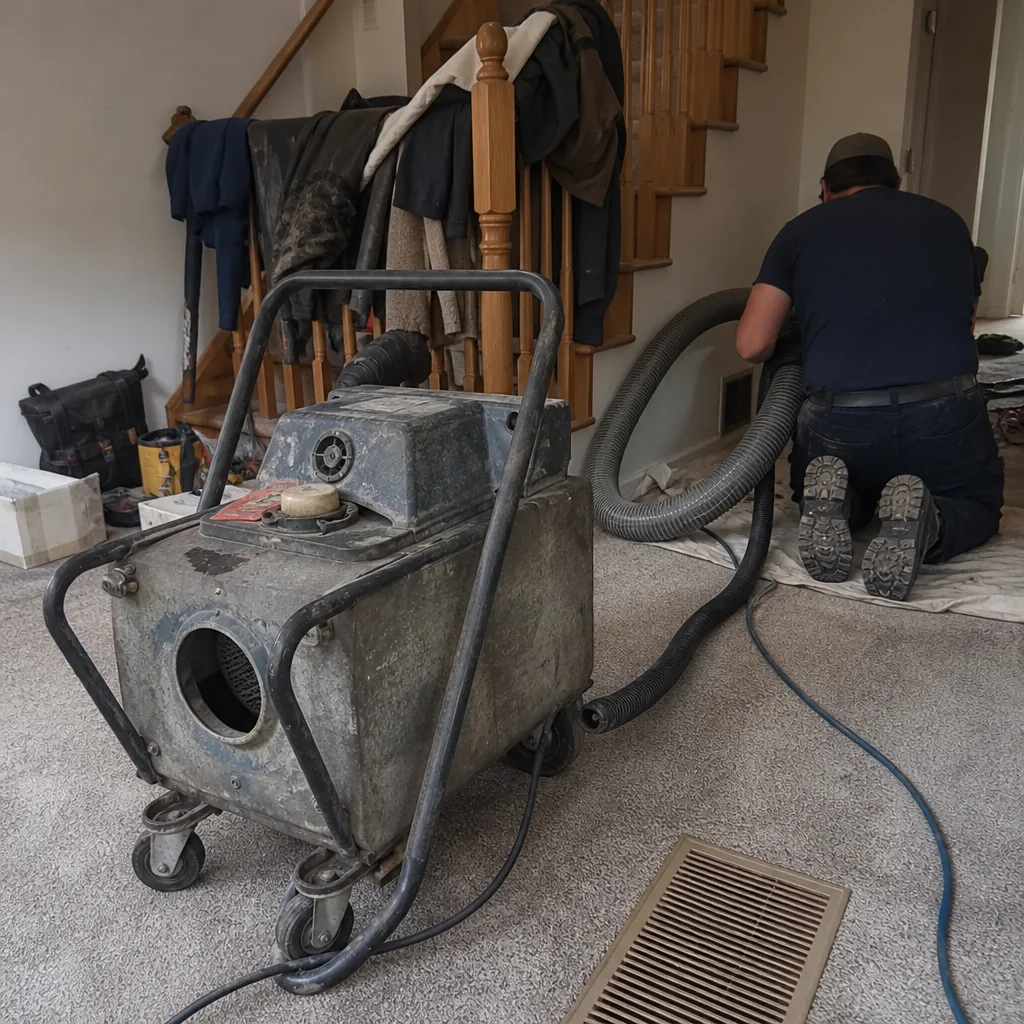 Before
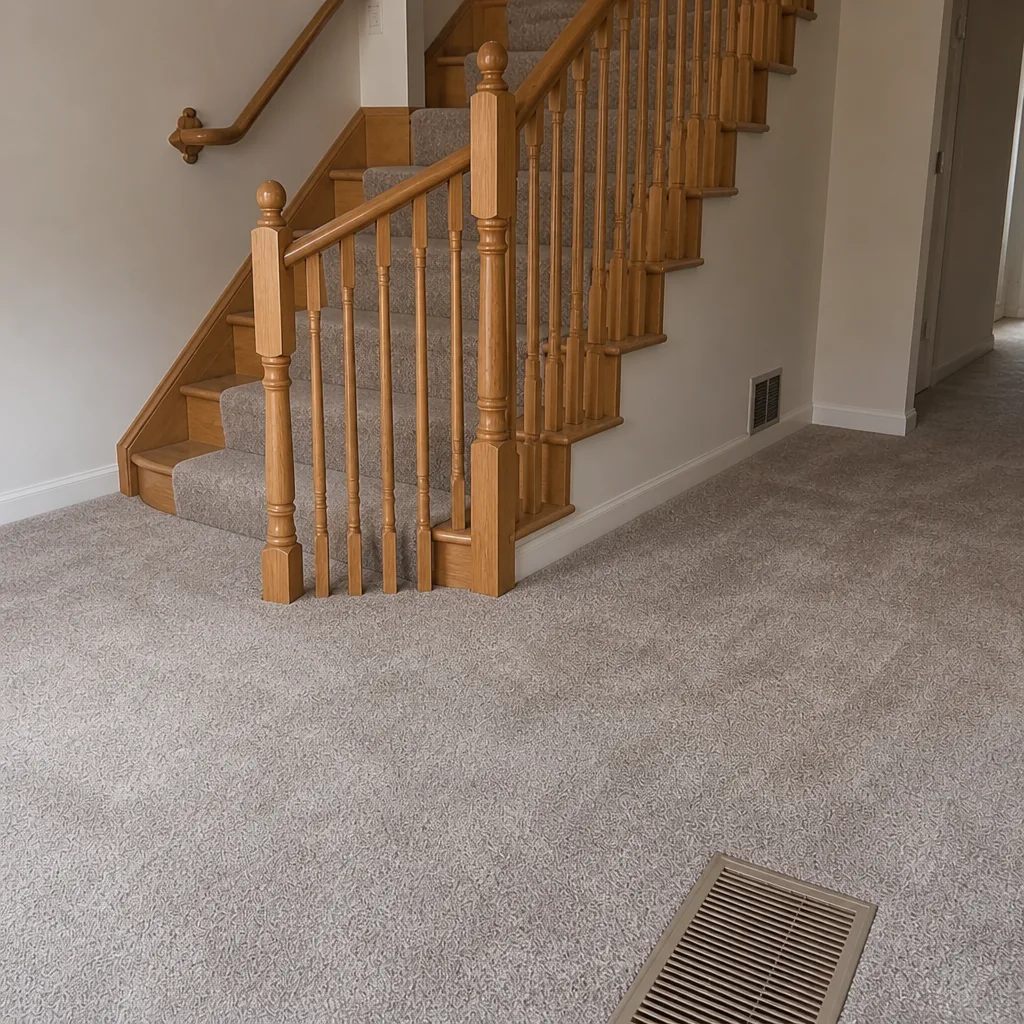 After
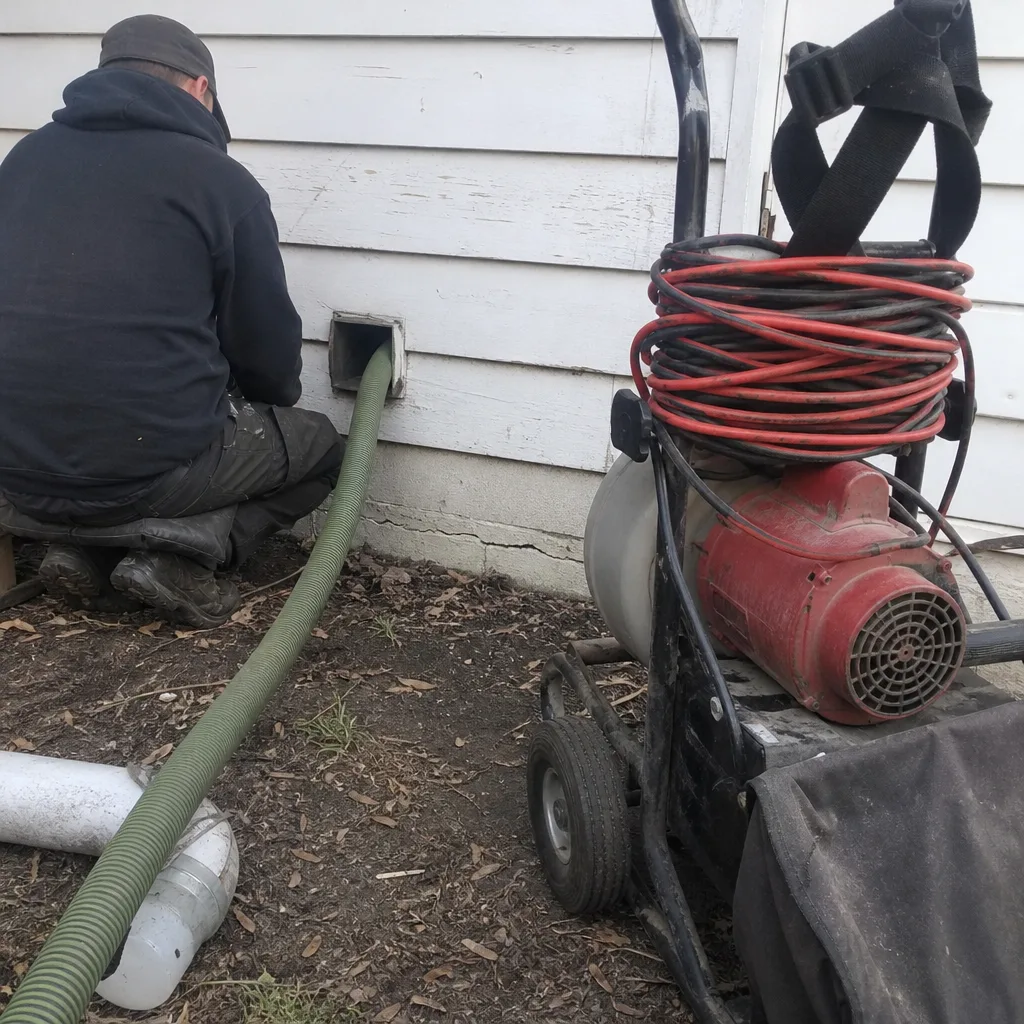 Before
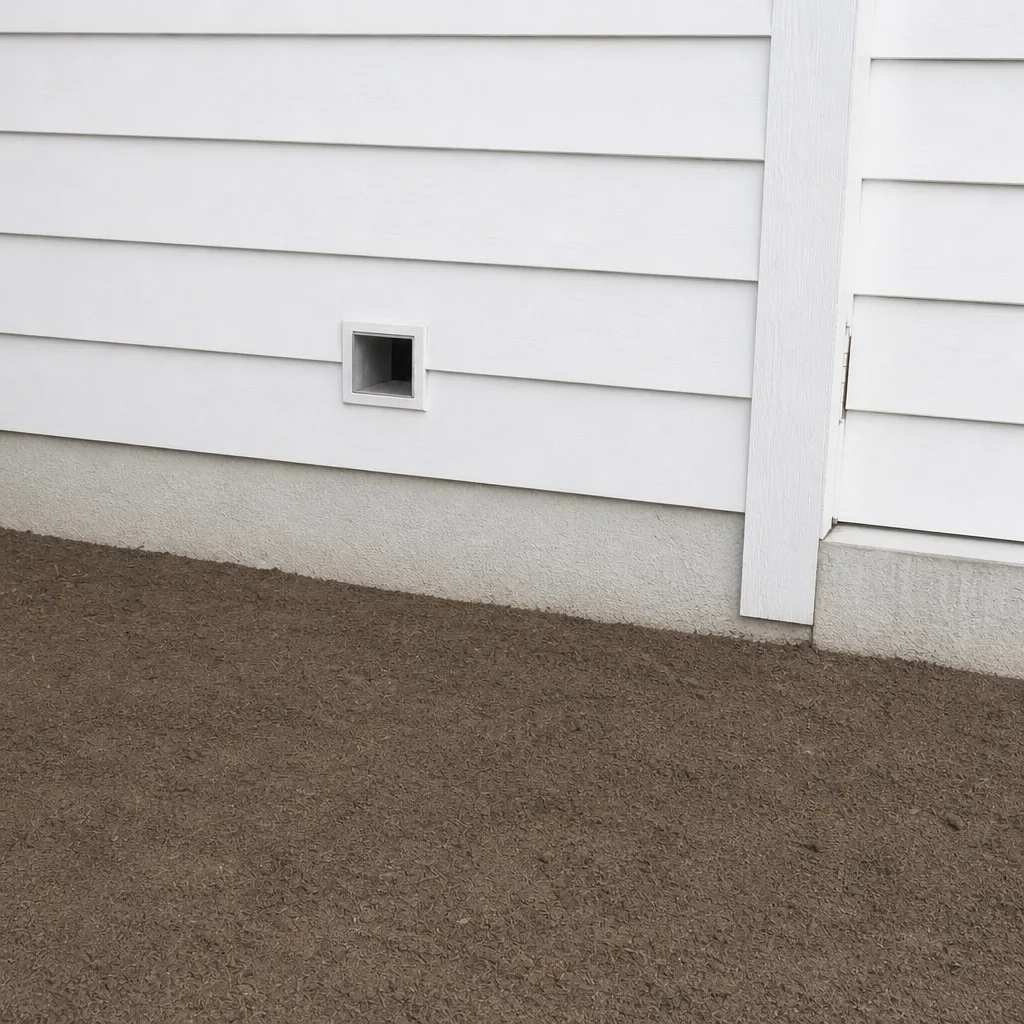 After
When to Call a Professional
Call for professional duct cleaning when you see visible contamination in the ducts at a register, when the system is pushing dust into rooms even after a filter change, or after a renovation that generated significant drywall or construction dust. Also worth calling: persistent musty smells, a furnace that’s pushing visible dust on startup, or a home with family members dealing with chronic respiratory sensitivity. And if you’re not sure whether the timing is right, an inspection answers that before you pay for a cleaning you might not need yet.
Ambassador Air Duct Cleaning offers free estimates in St. Paul. We use professional-grade Rotobrush and Nikro systems on every job, and we repair ductwork when repair is what the system actually needs. Call (888) 501-7655 for a free estimate.
Frequently Asked Questions
Most St. Paul homes do best with a full cleaning every two to three years, timed to late summer or early fall before the heating season load arrives. Homes with pets, recent renovation, older ductwork, or residents with allergies often need a shorter interval. Homes with clean habits, no pets, and modern sealed ductwork can stretch to four or five years. A quick inspection at the start of each heating season tells you whether it’s time.
Both work, but they solve different problems. Spring cleaning targets the settled debris from winter heating season and clears the system before summer cooling runs. Fall cleaning catches anything that accumulated during summer’s idle period and resets the system before the furnace runs hard again. If you have to pick one, early fall is the stronger choice because it protects the entire heating season.
Ask for before-and-after photos of your own duct runs, not stock images. A professional cleaning focuses on the entire connected system – supply plenum, main trunks, branch runs, returns, and the air handler – not just the visible registers. If a company can’t show you photographic evidence of your system, that’s a sign they’re not documenting their work. Ask about it before the job starts.
Per-vent pricing and low teaser quotes are the most common reasons. The advertised number often covers a light surface pass on the visible registers, with upcharges once the technician is on site. For St. Paul homes, the total cost should reflect whole-system cleaning with a single flat price agreed before work starts, using professional-grade equipment – not a shop-vac setup that stirs dust more than it captures. Ask for the total price for the whole system in writing before scheduling.
Yes, and you generally should, but the timing depends on the season. Warm-weather renovation dust should be cleaned promptly after sanding and paint cure, before the cooling-to-heating transition. Cold-weather renovation dust is best cleaned after the last sanding coat plus a few heating cycles so the dust has fully settled onto duct surfaces. Either way, plan to inspect the returns, not just the supplies.
Not necessarily every year, but seasonal inspections are still worth it. Recently installed, well-sealed ductwork accumulates contamination more slowly, but St. Paul’s seasonal humidity swings can still open small leaks at joints, and any leak undoes the benefit of sealing. An inspection every couple of years, timed to the fall switchover, catches those small issues before they become cleaning jobs.
The Bottom Line
St. Paul’s four seasons don’t just change the weather – they change what’s happening inside your ducts. Winter loads them with dry, static-bound debris. Spring brings the moisture that turns settled dust into mold risk. Summer idles the furnace and creates condensation points. Fall is when the system restarts and pushes whatever accumulated into your living space. Cleaning in late April alone misses most of that cycle. Time your cleaning and inspection to the seasonal windows that do the most protective work – early fall for heating-season readiness, spring for post-winter reset – and use an inspection to decide when cleaning is actually due. Change filters at the same moment, coordinate HVAC tune-ups with the cleaning schedule, and you’ll spend less while keeping indoor air quality consistent through the year.
Where This Fits in the Bigger Picture
Seasonal timing matters most when it’s paired with an understanding of what the whole system is doing. If you’re starting fresh with the topic, our guide to air duct cleaning walks through the basics of what a full cleaning covers, what equipment should be on site, and how to judge whether a quote is real. If you’re in a St. Paul home and trying to line up the seasonal schedule for the first time, our St. Paul service page pairs the seasonal approach with the specifics of local housing stock – older basements, original duct runs, and the leak patterns that come with them.
Dryer vent cleaning is the other service worth scheduling alongside duct cleaning, and the seasonal logic is mirrored: it protects against the leading cause of residential house fires, and the check is fast. Our guide to dryer vent cleaning covers what the service actually involves and why the fall switchover is a good time to add it to the list. For a full view of what we do – cleaning, repair, and dryer vent service – Ambassador Air Duct Cleaning lays out the three services in detail and how they work together on the same home.
One more piece that no seasonal schedule replaces: air duct repair. Cleaning a system with disconnected flex or torn insulation just moves dust around inside a leaky box. Fixing the ductwork first, then cleaning, then scheduling regular filters, is the sequence that actually holds up through St. Paul’s four-season cycle. Two more considerations that tie into this: whole-home air quality calls for an honest look at whether a humidifier or air cleaner makes sense for your specific house, and if it does, Honeywell and Aprilaire systems work best installed into ductwork that’s already been cleaned and repaired. And when inspections uncover something that looks like mold or a contamination issue beyond routine cleaning, that’s when Abatement Technologies containment equipment belongs on the job – safety first, and a proper assessment before any work starts.
If you’re not sure which season applies to your home, start with an inspection. It’s free, it tells you what the ducts actually need, and it means the next step is a real decision instead of a guess. Call (888) 501-7655. We answer 24/7. Fast dispatch from 7am to 7pm, Sunday through Friday.
Written by the team at Ambassador Air Duct Cleaning.