
Last updated November 15, 2026
 Whole-home duct cleaning
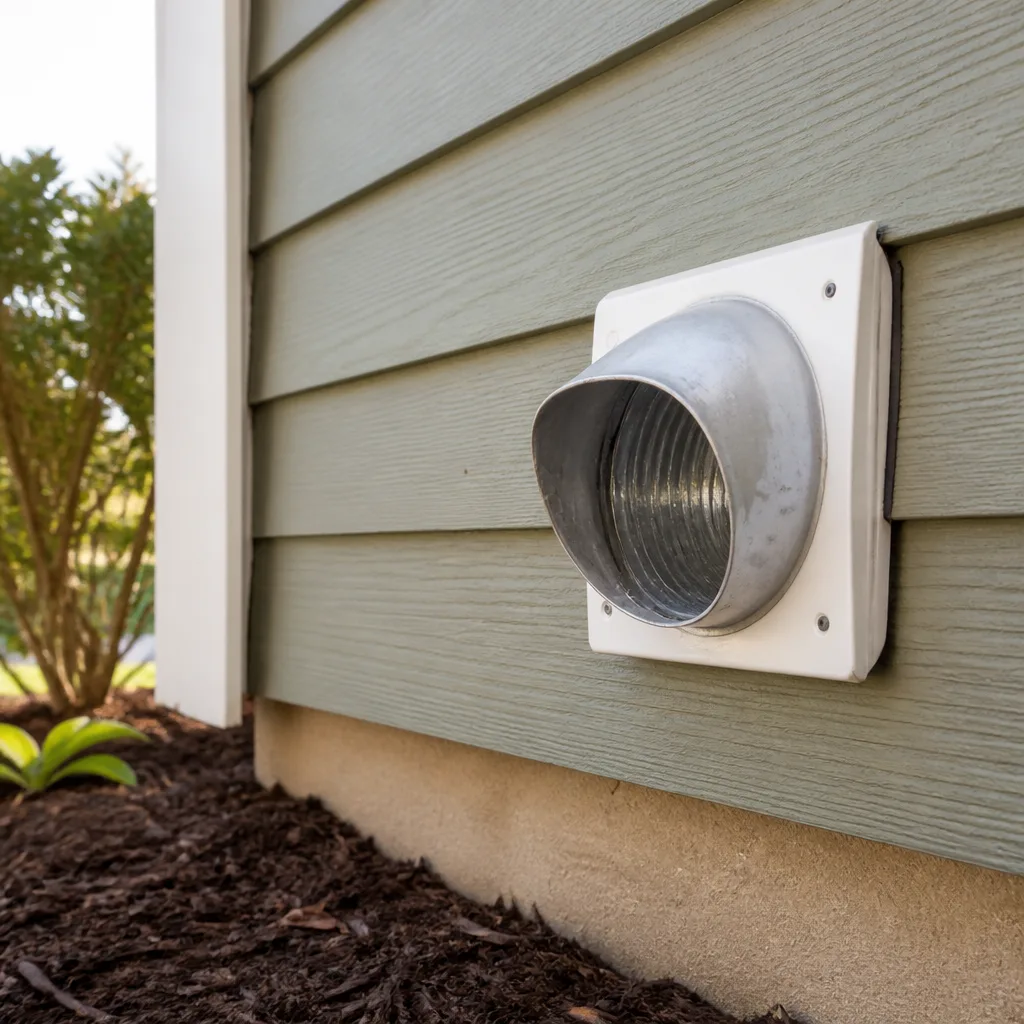 Dryer vent cleaning
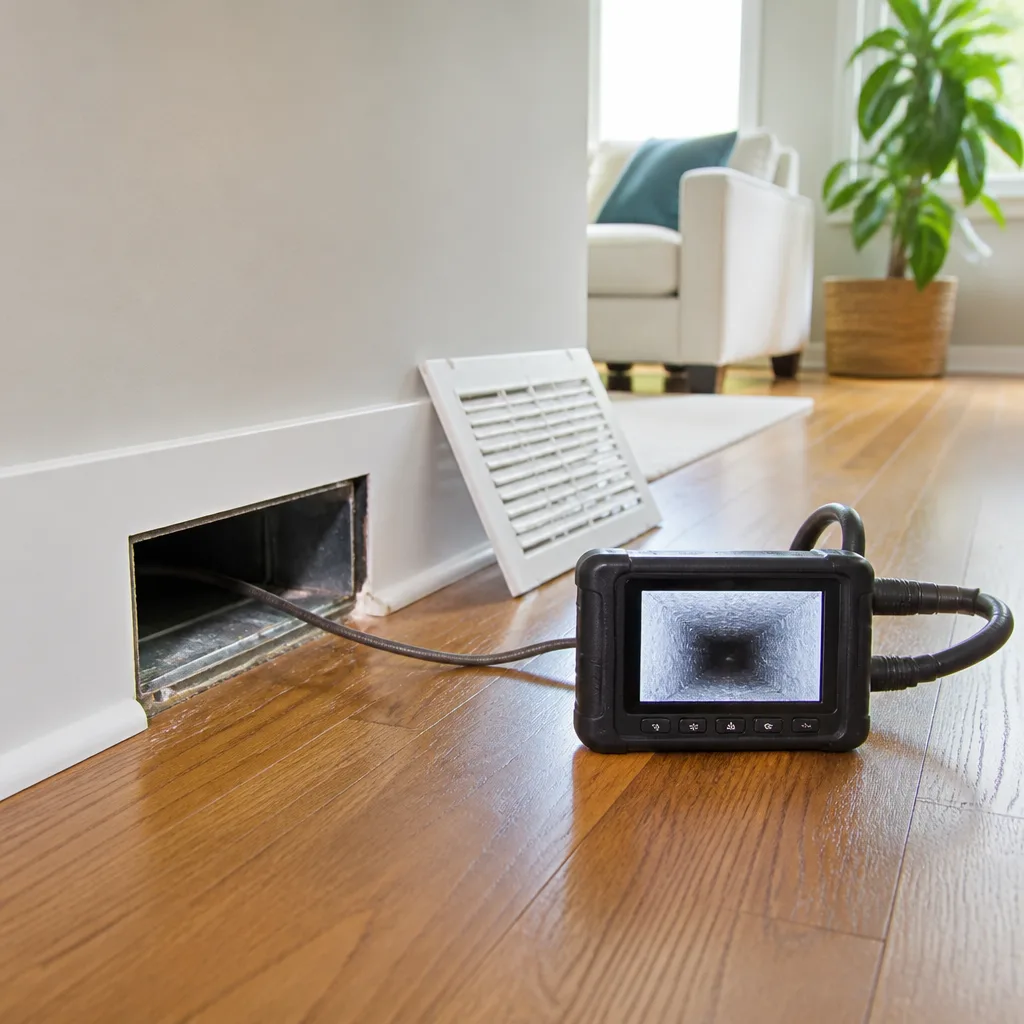 Camera inspection
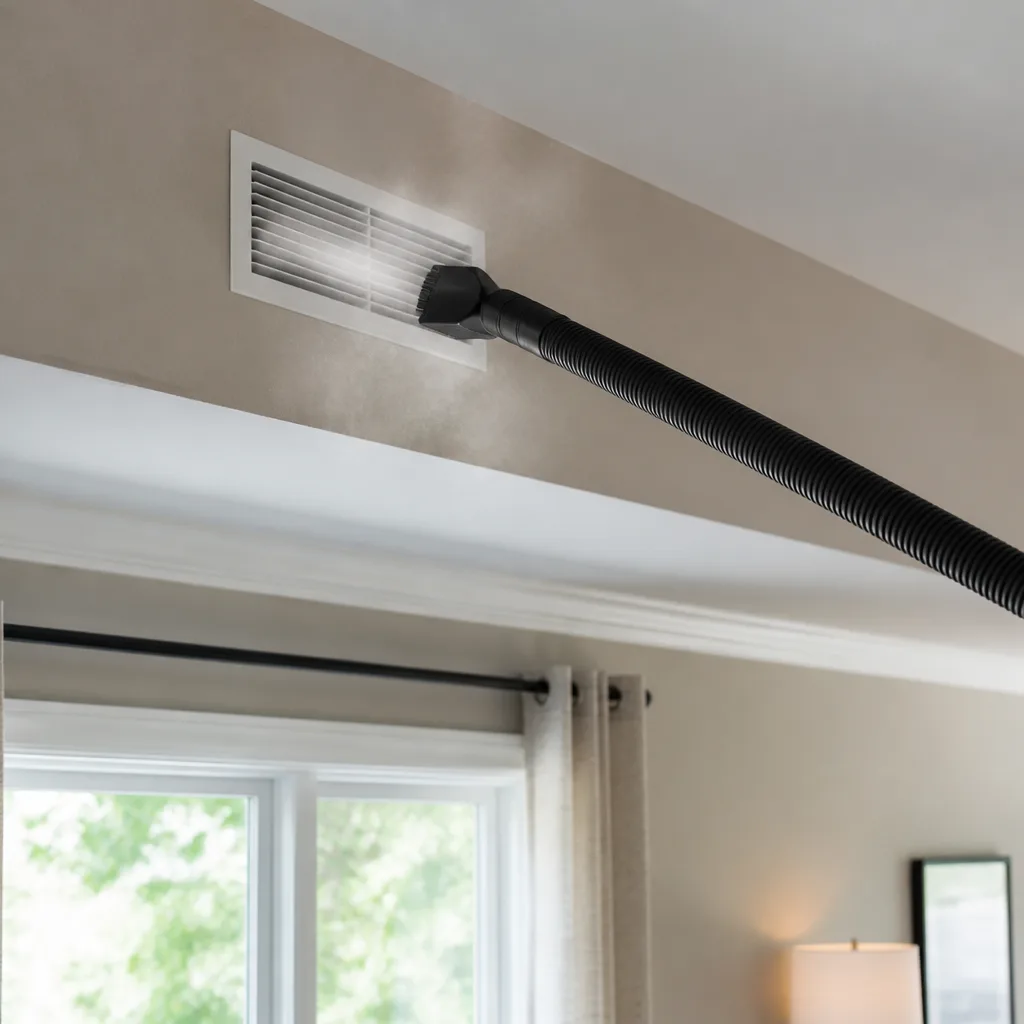 Sanitizing & deodorizing
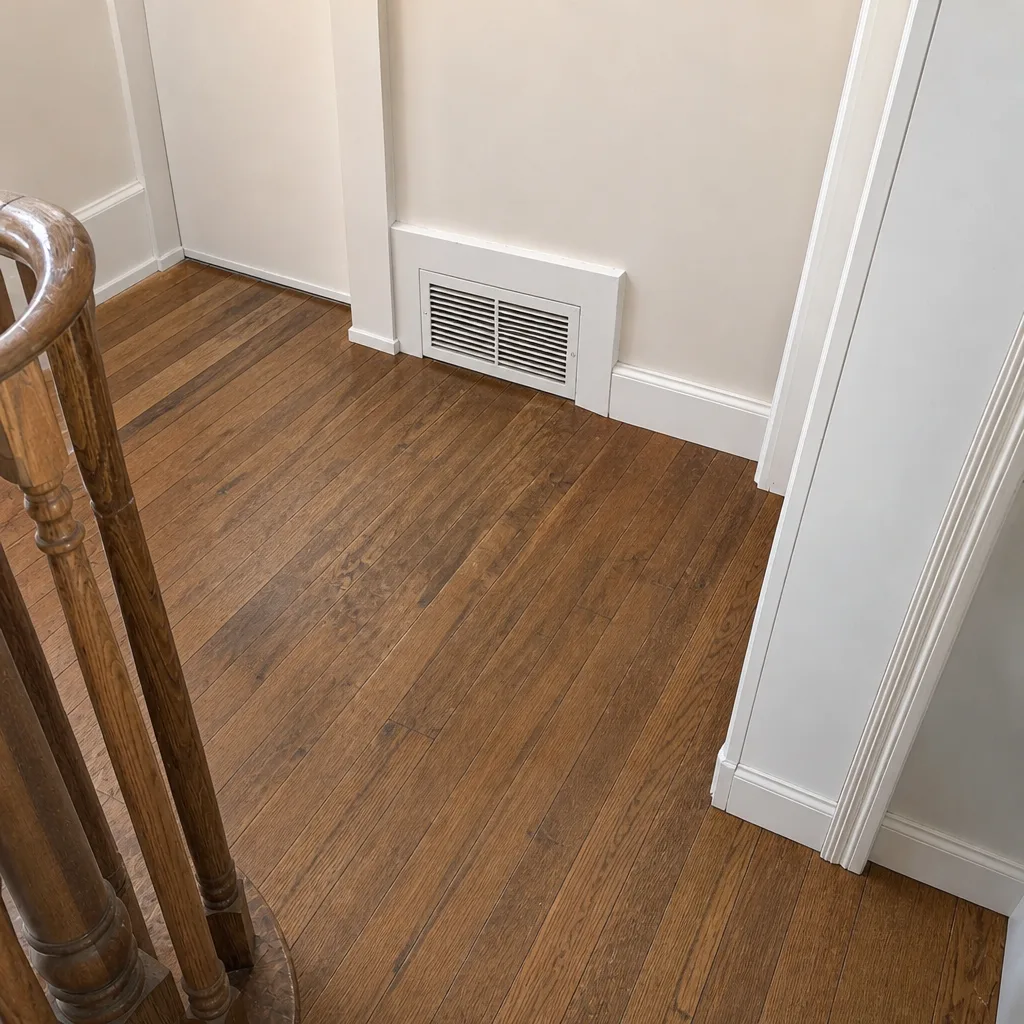
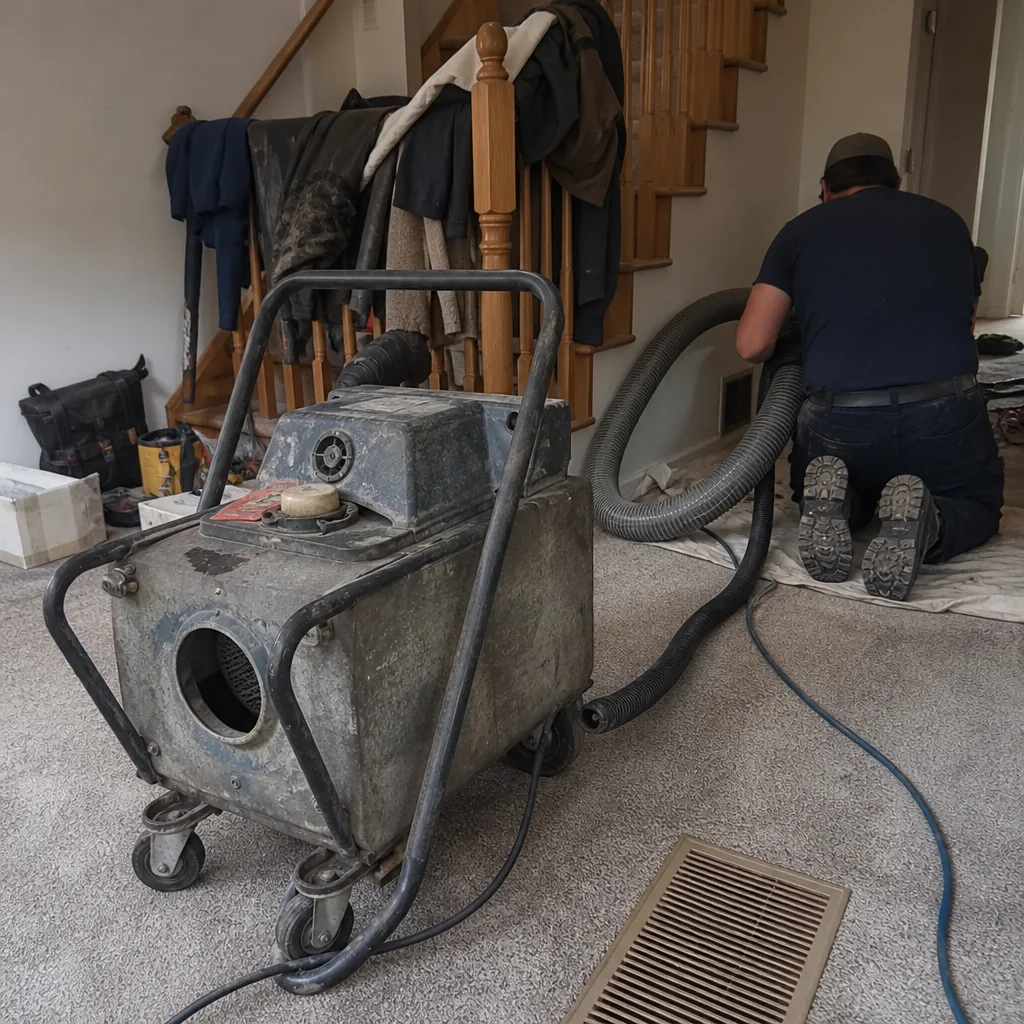
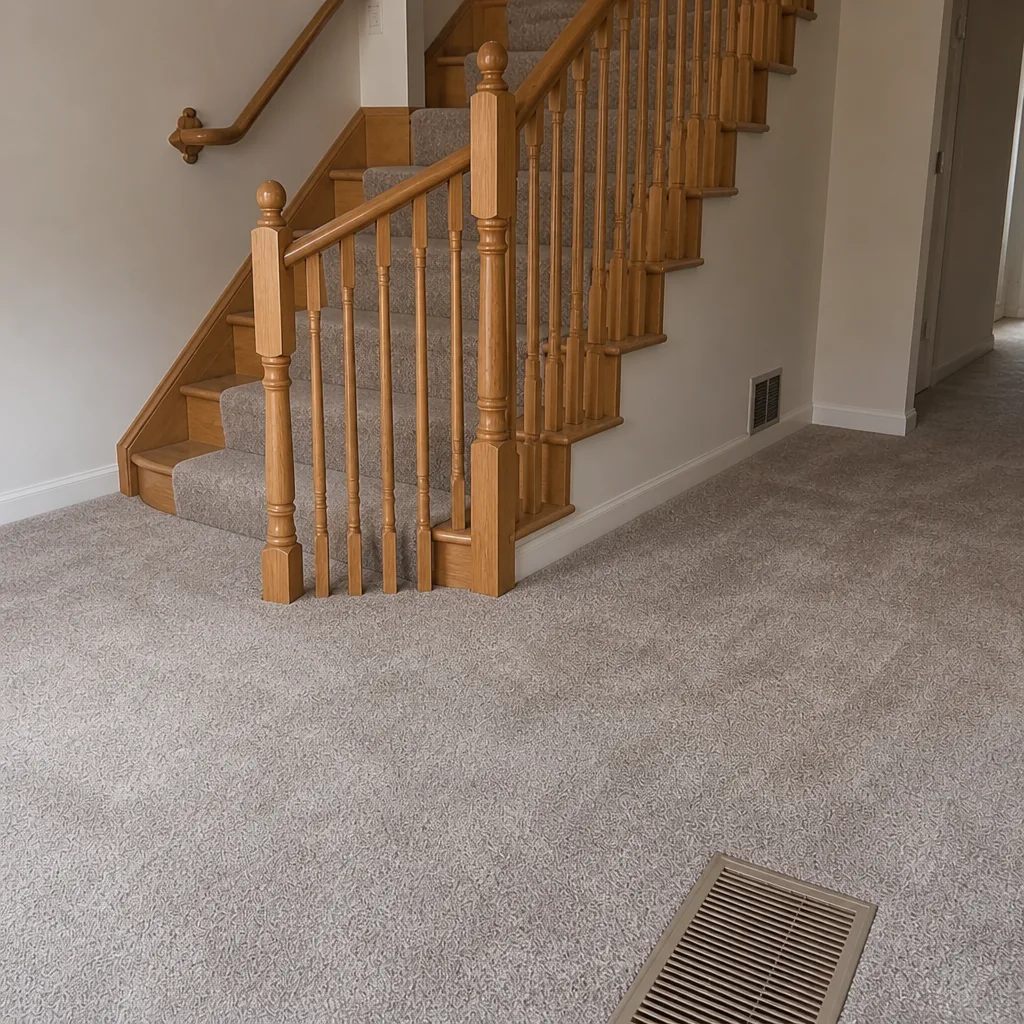
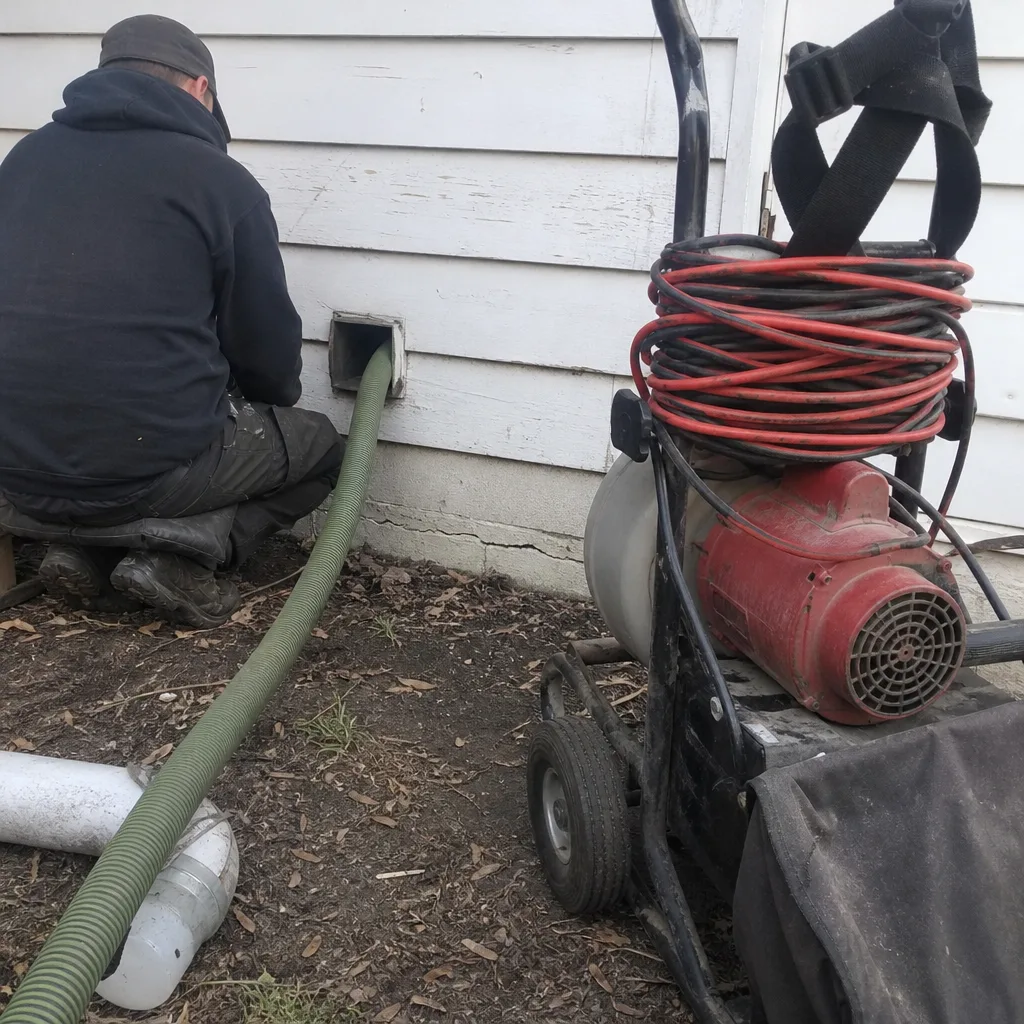
Whole-system duct and dryer vent check with before-and-after photos - you see exactly what came out of your vents
That "$99 whole-house special" is a bait ad - the real number appears once they are in your hallway, or the "clean" is a shop-vac at the register. We photograph the inside of your ducts before and after instead.
Air Duct Cleaning Permits, Codes & Inspections in St. Paul, MN: What You Need to Know
Here’s the part most homeowners never hear: the cleaning itself doesn’t need a permit, but the work that often follows it might. When a technician tells you a flex duct run should be replaced, a trunk line needs sealing, or a register should move six inches, you’ve crossed from maintenance into mechanical work, and Minnesota treats that line seriously. We’ve watched plenty of St. Paul homeowners authorize repairs without asking a single question about licensing or inspection. This guide walks you through where the line falls, what Ramsey County and City of St. Paul inspectors actually look at, how to verify a contractor, and what paperwork protects your home’s resale value.
Quick Answer
Air duct cleaning in St. Paul, MN does not require a permit under the Minnesota State Mechanical Code because it’s maintenance, not modification. Sealing ductwork, replacing duct runs, altering register placement, or changing any part of the mechanical system does require a permit and must be done by a licensed mechanical contractor. Repairs without that license and permit can void insurance coverage and complicate a future home sale.
Styles & brands we work with
- Whole-home duct cleaning
- Dryer vent cleaning
- Camera inspection
- Sanitizing & deodorizing
Table of Contents
- Where the line falls: cleaning vs. mechanical modification
- What the Minnesota State Mechanical Code actually covers
- What St. Paul and Ramsey County inspections cover
- How to verify a Minnesota mechanical contractor license
- What unpermitted duct work means for your insurance
- Documentation you should request after any repair
- Why St. Paul’s housing stock makes this matter
- Step-by-step: pulling a permit for duct-related work
Where the line falls: cleaning vs. mechanical modification
The single most useful distinction in this whole guide: cleaning removes what’s inside the duct, modification changes the duct itself. Cleaning uses negative-pressure vacuum equipment and contact agitation tools like a Rotobrush system to loosen and extract debris from a system that’s left structurally intact. No permit is required because nothing about the mechanical system changes.
Modification is different. When a technician cuts into a duct run, replaces a section of flex, seals a joint with mastic, relocates a supply register, or ties a new branch into the trunk, that’s mechanical work under the Minnesota State Mechanical Code. That work requires a permit and a licensed mechanical contractor. The two categories look similar on a work order, which is exactly where homeowners get tripped up.
Here’s a practical way to tell them apart:
- Cleaning (no permit): brush and vacuum agitation, register removal and reinstallation, negative-pressure containment, sanitizing application inside existing ductwork, dryer vent lint removal.
- Modification (permit required): replacing a duct run, sealing with mastic or aerosol-based duct sealing, cutting new register openings, adding or removing a branch, changing duct sizing, reconnecting to a new furnace or air handler.
- Gray area worth asking about: re-taping a joint that failed, re-hanging a sagging flex run, replacing a damaged boot at the register. Small in scope, still mechanical work.
If a St. Paul homeowner is quoted on the permit-required column and no permit is mentioned, that’s the moment to pause. Ask the contractor directly whether the job requires a permit and who’s pulling it. A licensed contractor will answer clearly and without hesitation. Someone working without the license will usually deflect.
What the Minnesota State Mechanical Code actually covers
The Minnesota State Mechanical Code governs the installation, alteration, repair, replacement, and maintenance of mechanical systems in buildings, and ductwork is a mechanical system. That means the code touches several things a duct cleaning visit can turn into if the technician finds problems.
The code addresses duct construction materials, joint sealing requirements, clearances to combustible surfaces, minimum duct sizing for airflow, and connection methods at equipment. When a contractor replaces a section of flex duct, the replacement must meet those requirements. When a trunk line is sealed, the sealant and method need to comply. When a register is moved, the branch sizing has to hold up. This is why modification work requires a permit and inspection: an inspector can’t verify code compliance after the fact if nobody pulled the permit in the first place.
What the code does not govern is the cleanliness of an existing duct system. There’s no minimum cleanliness standard in the mechanical code, no required cleaning interval, and no inspection triggered by a cleaning. If someone tells you the state requires you to clean your ducts every few years, that’s simply not accurate. Cleaning is a decision made for air quality, allergy relief, post-renovation debris, or system performance reasons, not a code requirement.
The code also doesn’t dictate what a cleaning company has to look like. Equipment quality, containment methods, and documentation are commercial decisions, not legal ones. That’s why homeowners need to ask. Our technicians have up to 10 years of experience and work with Abatement Technologies containment equipment on serious jobs, but that’s a professional standard we hold, not a state mandate. The permit requirement is a different matter entirely, and it’s enforceable.
What St. Paul and Ramsey County inspections cover
When ductwork is part of a larger permitted HVAC project in St. Paul, the mechanical inspection is handled through Ramsey County under the state’s mechanical code framework. The inspector’s role is to confirm the installation meets code before it’s covered up or signed off.
On a project that includes ductwork, the inspection generally covers:
- Duct material and gauge compliance for the application
- Joint sealing and connection methods at equipment and transitions
- Clearances from combustibles and adequate support of duct runs
- Proper sizing and airflow at supply and return branches
- Register and grille installation at code-compliant locations
- Vent connections and termination for combustion equipment where applicable
For a simple duct cleaning with no mechanical changes, there’s nothing to inspect. Inspectors are not checking cleanliness, and no permit is generated. This is why the cleaning-versus-modification distinction matters so much: one side of the line triggers an inspection, the other doesn’t, and the contractor on site is the one making the call about which side you’re on.
St. Paul’s older housing stock adds a wrinkle here. In many neighborhoods, homes have been through multiple heating system replacements over the decades, and duct layouts have been modified, extended, and sometimes rerouted along the way. An inspector looking at a new alteration may ask about the existing system’s condition in the affected area. That’s another reason it pays to have a contractor who can address both cleaning and duct repair, rather than cleaning around a problem and leaving the permit question unanswered. You can see how we approach the cleaning side of that work in our air duct cleaning service overview.
How to verify a Minnesota mechanical contractor license
Minnesota requires mechanical contractors to hold a state license to perform permitted mechanical work, and the license can be verified before you authorize anything. This takes about five minutes and is the single best protection you have against unlicensed duct modification ending up in your home.
- Ask the contractor for their Minnesota mechanical contractor license number in writing, on the estimate, not just verbally.
- Look up the license through the Minnesota Department of Labor and Industry’s license lookup system.
- Confirm the name on the license matches the business name on your estimate and insurance paperwork.
- Check whether the license is active, current, and in the right class for the work being quoted.
- Ask whether the contractor carries general liability insurance and workers’ compensation, and request a certificate of insurance naming you as certificate holder.
- Ask directly who will pull the permit if the job requires one, and confirm the permit will be in the contractor’s name, not yours.
If a company cleans ducts and also does duct repair, the license question becomes even more important. A company without a mechanical contractor license cannot legally pull a mechanical permit, which means any structural ductwork it installs won’t be inspected. And when the work does need a permit, an unlicensed contractor pulling one under someone else’s license is a red flag worth walking away from.
One more practical note about how duct cleaning companies are set up: many companies are built around cleaning only. That’s fine for cleaning. The problem is when the crew finds a damaged duct run during a cleaning and offers to fix it in the same visit without a permit or the license to pull one. Ask now, before the crew starts, whether repair work will be handled by a licensed mechanical contractor and whether the permit will be pulled when the scope calls for one.
What unpermitted duct work means for your insurance
Homeowner’s insurance is built around the assumption that work on your home was done to code and with proper permits. When it wasn’t, claims can get complicated fast, and duct modification is exactly the kind of work that can trigger that problem.
Consider what duct modification sits next to. Ductwork carries heated air from a furnace or heat pump, connects to combustion equipment, and runs through wall cavities, ceilings, and floor assemblies. A poorly sealed or improperly connected duct run can contribute to moisture problems in a concealed space, or to a fire if it’s compromised in a way that places heat too close to combustibles. If a loss traces back to work done without a permit, an insurer has grounds to question coverage for that portion of the claim.
Unpermitted work also tends to surface at the worst possible moment: when you’re selling the home. A buyer’s inspector notices the new flex run, asks for the permit and inspection record, and there isn’t one. That conversation can stall a sale or force a retroactive permit process, which is significantly more expensive and complicated than pulling the permit up front. The same issue comes up when you refinance or when a new insurer asks for documentation on recent home improvements.
The reliable answer is to keep the permit, the inspection record, and the contractor’s documentation together in one folder. If the work required a permit, get the permit. If it didn’t, keep the written scope of work that explains why it didn’t. That file is worth more than it looks like when a buyer’s inspector starts asking questions.
Documentation you should request after any repair
Whether or not a permit applied, you should walk away from ductwork repair with a paper trail. Here’s what to ask for.
- Written scope of work: what was replaced, sealed, or modified, in plain language, with locations described by room or system area, not just a generic line item.
- Before-and-after photos of the actual work area: duct repair photos should show the condition found and the finished connection or replacement, not stock images.
- Materials list: duct material type, sealant used, any components replaced, and manufacturers where applicable.
- Permit and inspection record, if applicable: permit number and the inspection result, plus the final inspection sign-off when there is one.
- Contractor license number and insurance certificate: keep these with the job file, not in a drawer somewhere else.
- Warranty terms on materials and workmanship: in writing, with what’s covered and for how long spelled out.
- Date of service and technician attribution: a small thing, but it helps when a question comes up months later.
In our experience, this documentation is where a lot of duct work falls short. A company built around cleaning doesn’t always have a paper trail for repair work because repair isn’t its core function. Companies that also handle duct repair as a standing service, and that use professional-grade equipment for both cleaning and repair verification, tend to have those records as a matter of routine. That’s the practical difference between a company that cleans around a problem and one that fixes it.
Why St. Paul’s housing stock makes this matter
St. Paul’s neighborhoods vary widely in age and construction, and that diversity is exactly why the cleaning-versus-modification question comes up so often here. Homes in older central neighborhoods like Summit Hill, Cathedral Hill, and the West Seventh area commonly have original ductwork that’s been through multiple furnace and air conditioning upgrades over the years. In those homes, duct systems have usually been modified at least once, sometimes by contractors whose permit records are long gone.
Newer construction and renovated areas, including parts of Highland Park and the East Side, tend to have more recent duct systems, but they come with their own history. A remodel that relocated a register, added a return, or tied a new addition into the original system usually involved a permit. When you clean a system that’s been modified without one, the cleaning itself is fine. The problem is what cleaning reveals: disconnected flex runs, sealed-in access points, or register boots that were never hung correctly. That’s the moment when a homeowner has to decide whether the repair will be done properly, with a permit where required, or patched over.
Cold winters on this side of the river also push duct systems hard. Long heating seasons mean duct connections see a lot of thermal cycling, and improperly sealed joints have plenty of opportunity to separate. When duct repair turns up during a cleaning, the permit question is worth asking even when the repair looks small. A fairly small replacement is still mechanical work under the code. Our technicians have up to 10 years of experience on this exact kind of St. Paul ductwork, and the honest answer about permits is always worth more than the shortcut.
One more local point: dryer vent cleaning is a separate service with a separate safety case. Blocked dryer vents are a documented fire cause, and the work itself doesn’t require a permit when it’s cleaning and maintenance only. When the vent run itself needs rerouting or modification, that shifts the conversation. Our dryer vent cleaning service page explains more about that distinction.
Step-by-step: pulling a permit for duct-related work
If the duct work you need falls on the modification side of the line, here’s how the permit process works end to end so you know what to expect.
- Scope the work in writing. Get a written description of exactly what’s being replaced, sealed, or moved, so the permit application matches the work.
- Confirm the contractor’s license. Verify the mechanical contractor license through the Minnesota Department of Labor and Industry before signing anything.
- Ask who pulls the permit. On permitted work, the contractor should pull the permit in the contractor’s name. If a homeowner is being asked to pull it, that’s a signal the contractor isn’t licensed for the work.
- File the permit application with the correct authority. In St. Paul, permitted mechanical work is routed through Ramsey County’s process under the state mechanical code framework, so confirm which office handles your project.
- Pay the permit fee. Fees are set by the permitting authority and vary by scope. Ask for the fee in writing before work begins so it’s part of the total cost.
- Complete the work, then call for inspection. The contractor schedules the inspection, and an inspector reviews the work against the code requirements. Different scopes trigger different inspections, so ask what’s expected.
- Keep the final inspection record. File the permit number, inspection result, and final sign-off with your home records.
None of that is complicated, but it only happens if the contractor is licensed to pull the permit in the first place. That’s the piece we see homeowners skip most often. For the broader context on how cleaning and repair connect in our service area, our St. Paul page lays out the local footprint. Any home service company that connects homeowners with independent local professionals can help with scheduling, but the license requirement is the contractor’s responsibility, and verifying it is yours.
Common Mistakes to Avoid
- Accepting a repair quote without asking about the permit. If a technician proposes sealing, replacing a duct run, or moving a register, ask directly whether the job requires a permit and who’s pulling it. A vague answer here is a reason to get a second opinion.
- Assuming cleaning firms are licensed for repair work. Cleaning and duct modification are different scopes. Verify the contractor’s mechanical license number in writing before you authorize anything beyond cleaning.
- Skipping the license lookup. It takes about five minutes through the state’s license lookup system and confirms the business you’re hiring is actually licensed for the work, not just licensed for something adjacent.
- Not asking for before-and-after photos of the actual repair. In St. Paul’s older neighborhoods, the ductwork is often concealed and hard to inspect after the fact. Photos of the specific repair, not stock images, are your only record of what happened.
- Filing the permit paperwork nowhere. A stack of receipts in a drawer is not a file. Keep the permit, inspection record, license number, insurance certificate, and materials list together in one place for a future sale, refinance, or insurance claim.
- Treating a permit as the contractor’s problem to handle later. If the work requires a permit, it needs one before work starts. Retroactive permitting is harder, more expensive, and more stressful than the front-end process.
- Letting a duct repair get rolled into a cleaning invoice without documentation. If it’s a distinct repair, it deserves a distinct line item and a written scope, not a note on the cleaning invoice.
See the difference
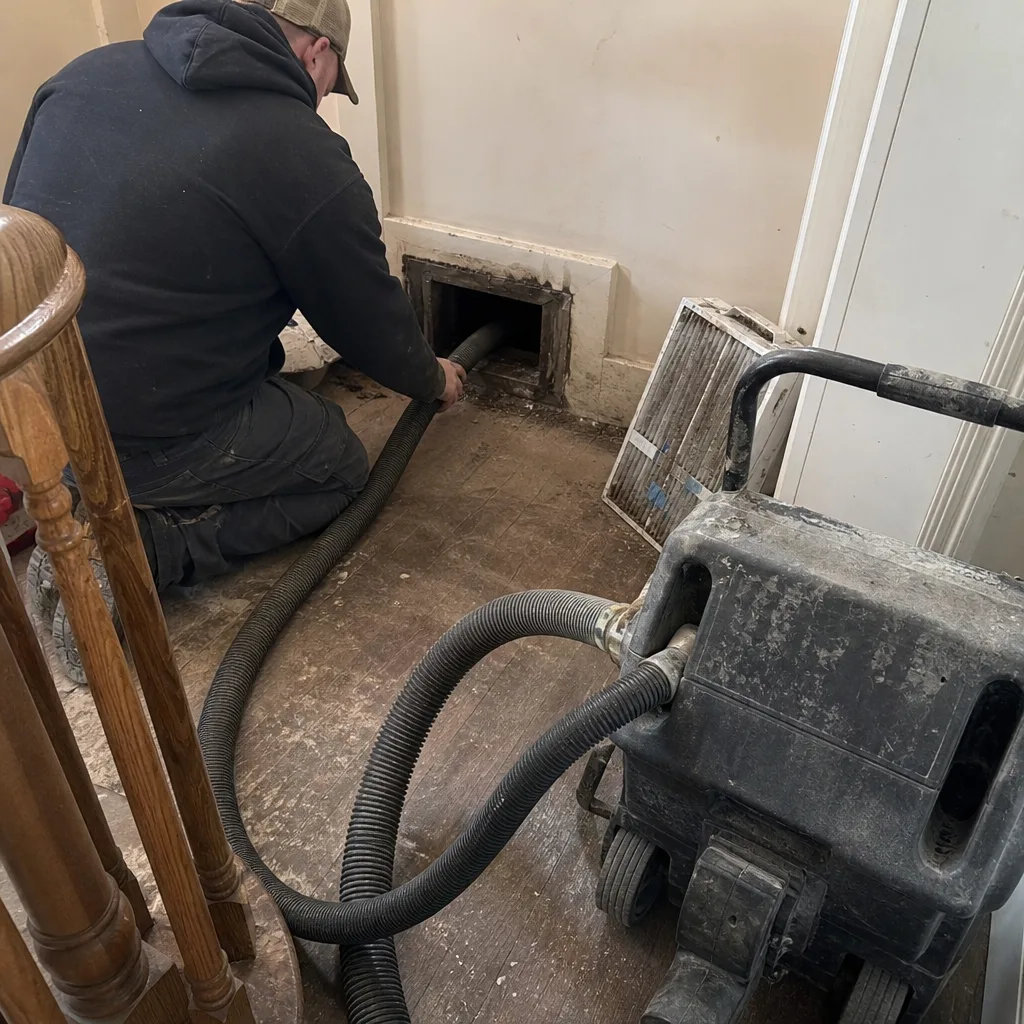 Before
 After
 Before
 After
 Before
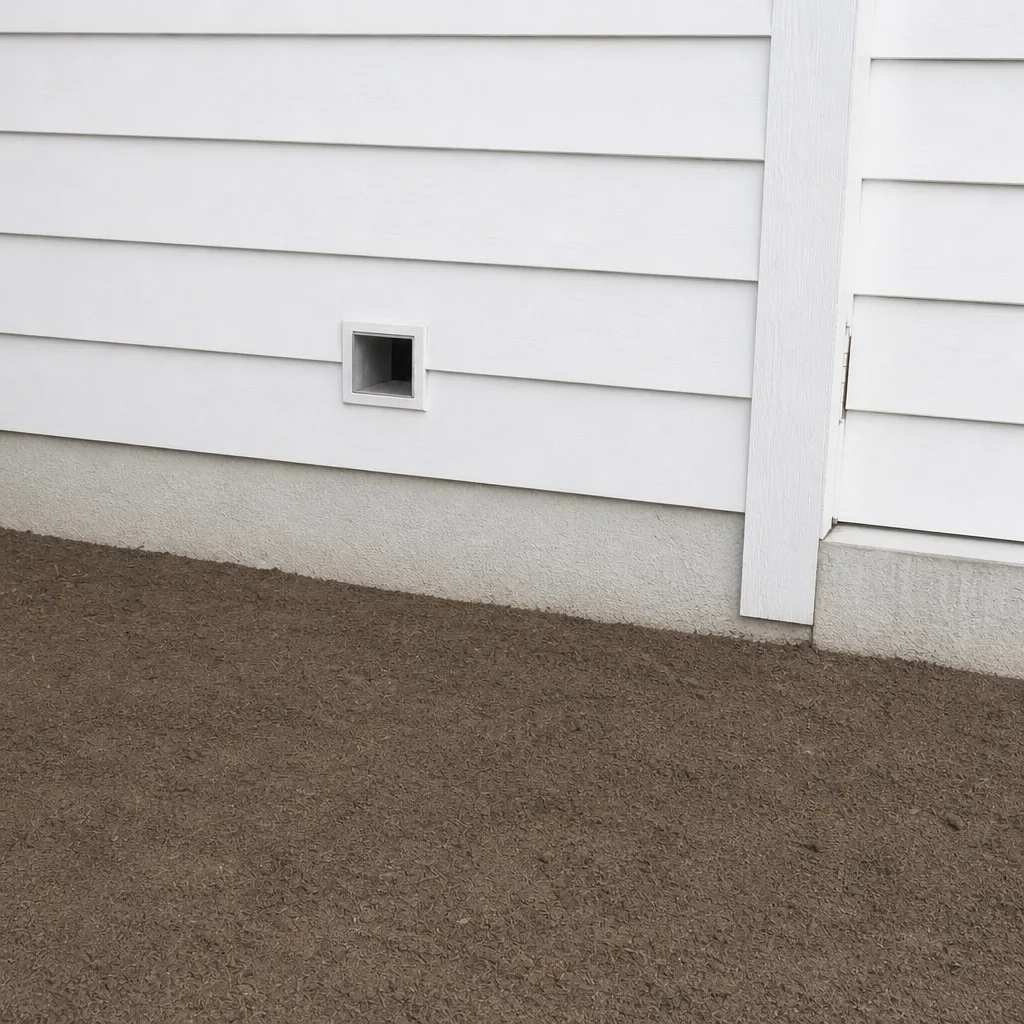 After
When to Call a Professional
Call a professional when the ductwork itself is damaged, not just dirty. That includes disconnected flex runs, crushed or sagging duct sections, air leaking visibly at joints, a room that won’t heat or cool while the rest of the house is fine, or a register that needs relocation. Any of those moves the job into mechanical modification territory, and that’s where the license and permit questions become urgent. Call us when a cleaning turns up a structural problem rather than a cleanliness problem, and we’ll walk you through the scope. If the work requires a permit, we’ll talk about that directly instead of working around it. Our technicians have up to 10 years of experience diagnosing duct problems in St. Paul homes, and we handle cleaning and repair as separate, clearly scoped services. Ambassador Air Duct Cleaning offers free estimates in St. Paul; call (888) 501-7655. We answer 24/7. Fast dispatch from 7am to 7pm, Sunday through Friday.
Frequently Asked Questions
No. Cleaning is maintenance under the Minnesota State Mechanical Code and doesn’t require a permit. The moment the scope shifts to sealing, replacing duct runs, moving registers, or altering the mechanical system, a permit is required and the work must be done by a licensed mechanical contractor. Call (888) 501-7655 for an exact quote on cleaning or repair – estimates are free.
Mechanical inspections for permitted HVAC projects in St. Paul are handled through Ramsey County under the state mechanical code framework. The inspection is tied to the permit, not to a duct cleaning. If your project includes permitted duct modification, the inspector reviews the work against the code before sign-off. Call (888) 501-7655 to talk through your project – estimates are free.
Ask for the mechanical contractor license number in writing on the estimate, then verify it through the Minnesota Department of Labor and Industry’s license lookup system. Confirm the name on the license matches the business name on the estimate, and ask who will pull the permit if the job requires one. Call (888) 501-7655 if you want to scope a duct repair before authorizing anything – estimates are free.
It can. Insurance claims assume work on your home was done to code and permitted where required. If a loss traces to unpermitted duct modification, an insurer has grounds to question coverage for that portion of the claim. Unpermitted work also comes up during a home sale or refinance when a buyer’s inspector asks for the permit record. Call (888) 501-7655 to talk through the scope before you authorize repair work – estimates are free.
Duct sealing that modifies the mechanical system is mechanical work and requires a permit, pulled by a licensed mechanical contractor. If a company offers to seal your ducts without a permit, that’s the point to ask why. Duct cleaning on its own doesn’t involve sealing and doesn’t require a permit. Call (888) 501-7655 to clarify whether your job scope calls for a permit – estimates are free.
No. Dryer vent cleaning is maintenance and doesn’t require a permit. If the vent run itself needs rerouting or modification, that shifts into mechanical work and may require a permit depending on the scope. Dryer vent cleaning is a fire-prevention service, not optional maintenance, and it’s worth scheduling even when no permit is involved. Call (888) 501-7655 for an exact quote – estimates are free.
The Bottom Line
Duct cleaning in St. Paul, MN doesn’t require a permit, but duct repair, sealing, and any modification of the mechanical system does. The line between the two matters because only one side of it triggers a license requirement, a permit, and an inspection, and the contractor on site is the one making that call. Before you authorize duct repair, ask for the mechanical contractor license number, verify it with the state, confirm who’s pulling the permit, and request before-and-after photos and a written scope of work for your records. If a quote for structural duct work arrives without a permit in the conversation, stop and ask why. That one question protects your insurance coverage, your resale documentation, and the safety of the system inside your walls. Our technicians have up to 10 years of experience and use Rotobrush and Nikro professional-grade equipment on every job, cleaning and repairing what we find rather than working around it.
If you’re not sure which side of the line your project falls on, that’s exactly the kind of question worth a conversation before any work begins. Call Ambassador Air Duct Cleaning at (888) 501-7655 for a free estimate. We answer 24/7. Fast dispatch from 7am to 7pm, Sunday through Friday. You can also start with an overview of our Ambassador Air Duct Cleaning approach to indoor air quality to see how cleaning, repair, and documentation fit together.
Written by the team at Ambassador Air Duct Cleaning.