
Last updated November 15, 2026
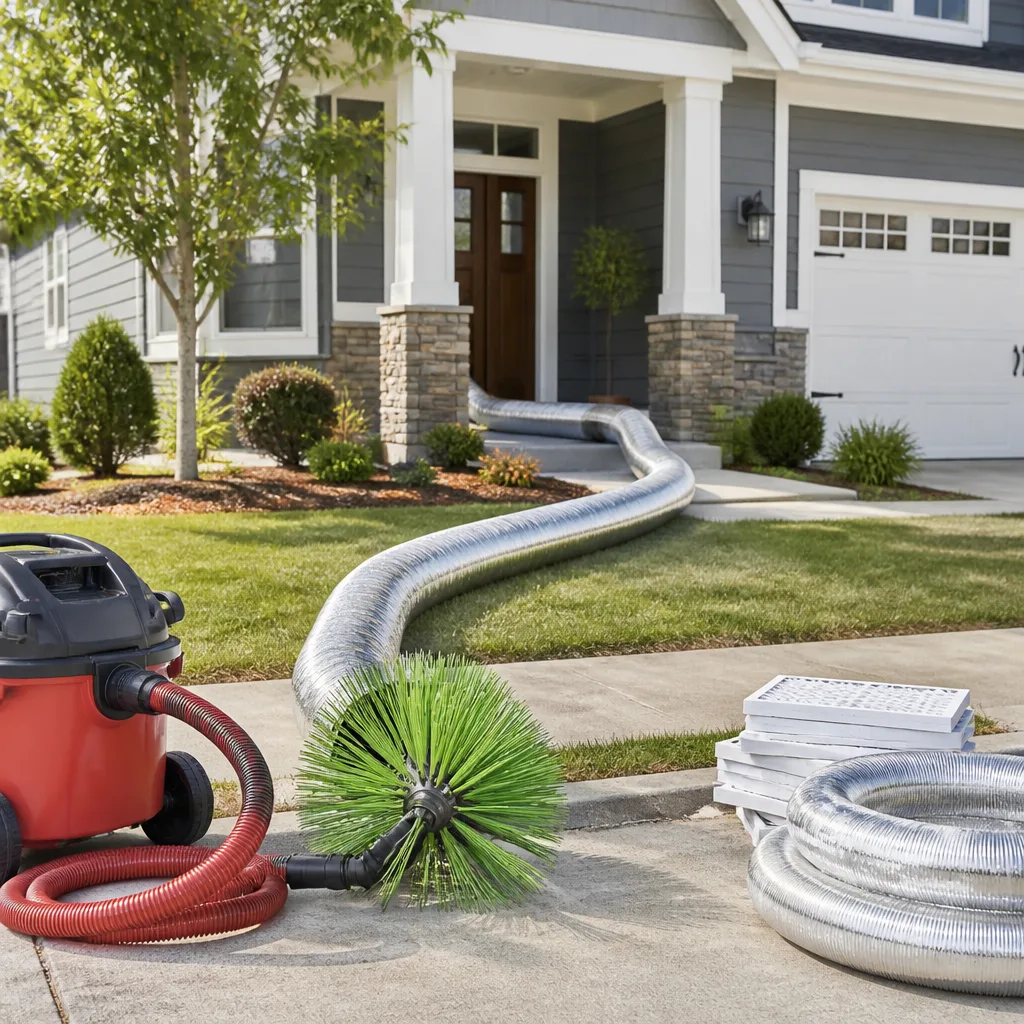 Whole-home duct cleaning
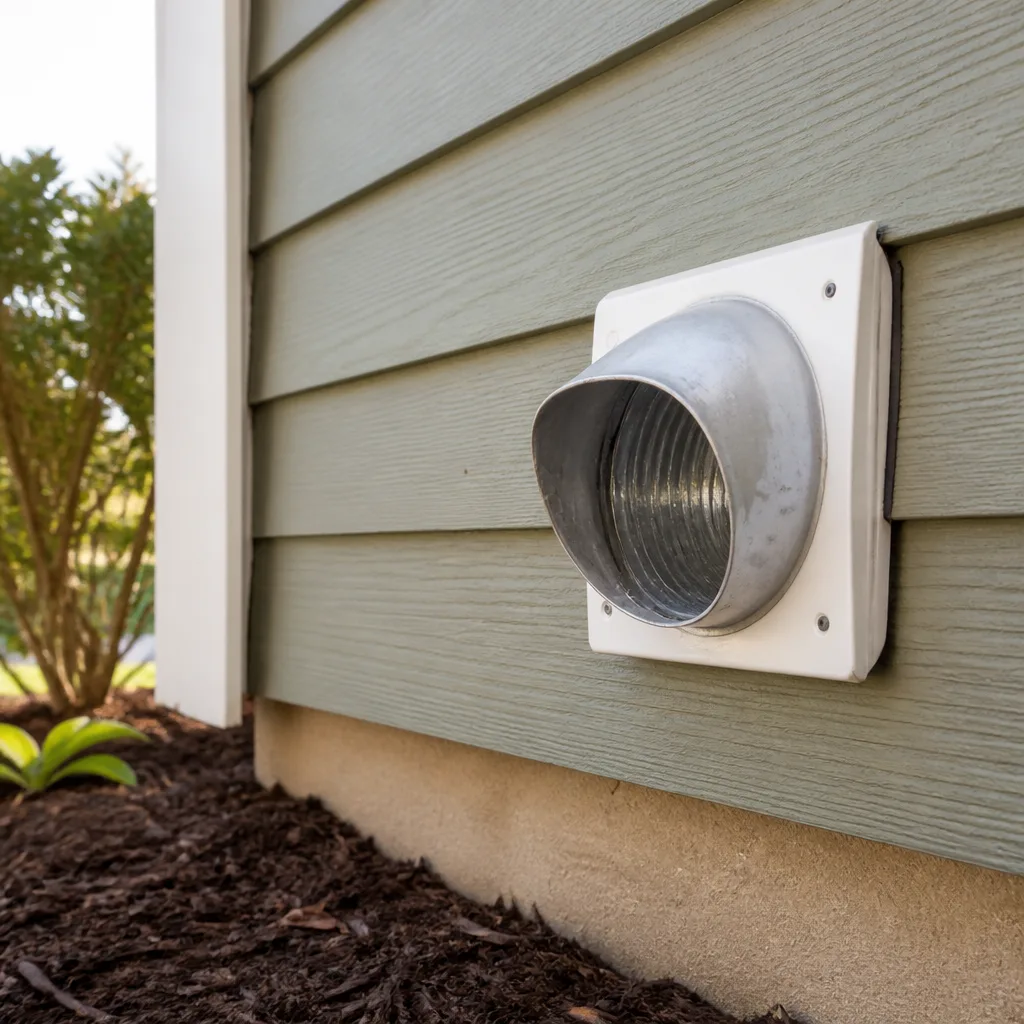 Dryer vent cleaning
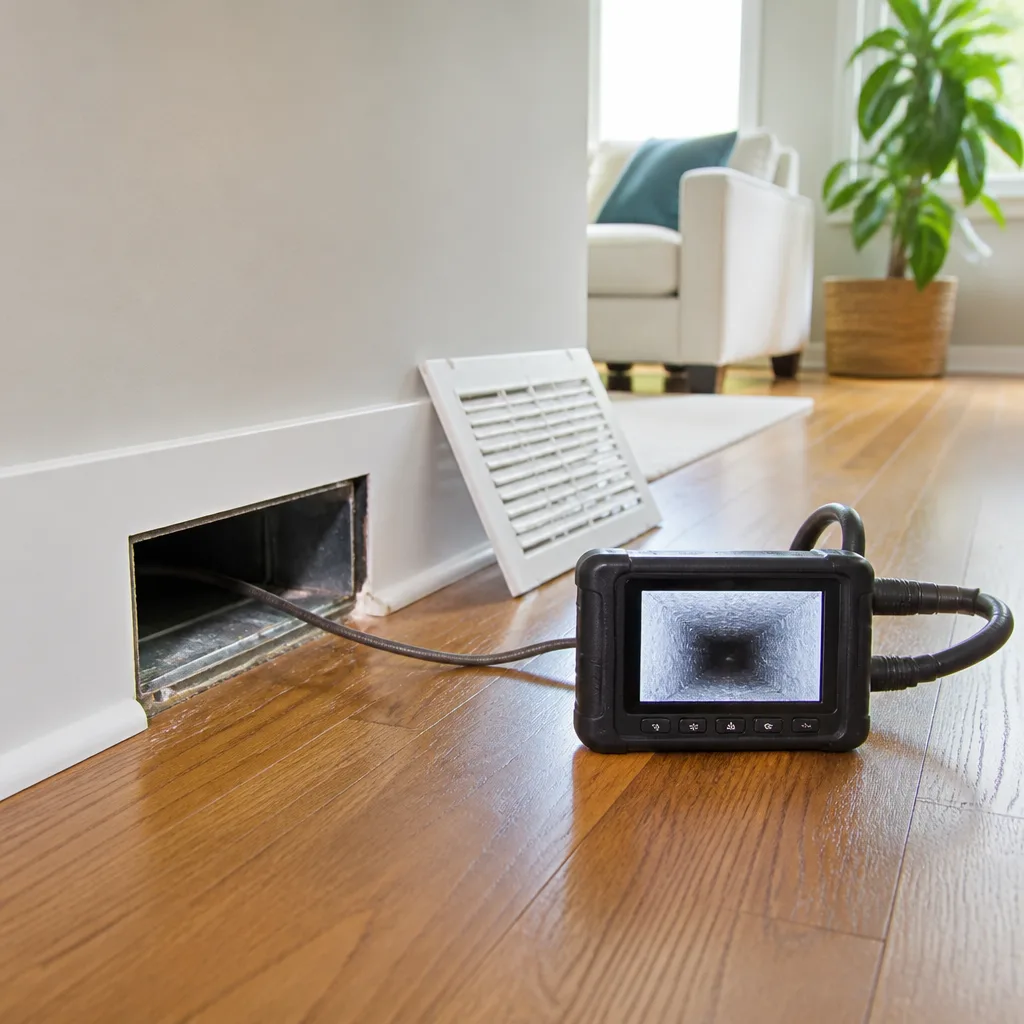 Camera inspection
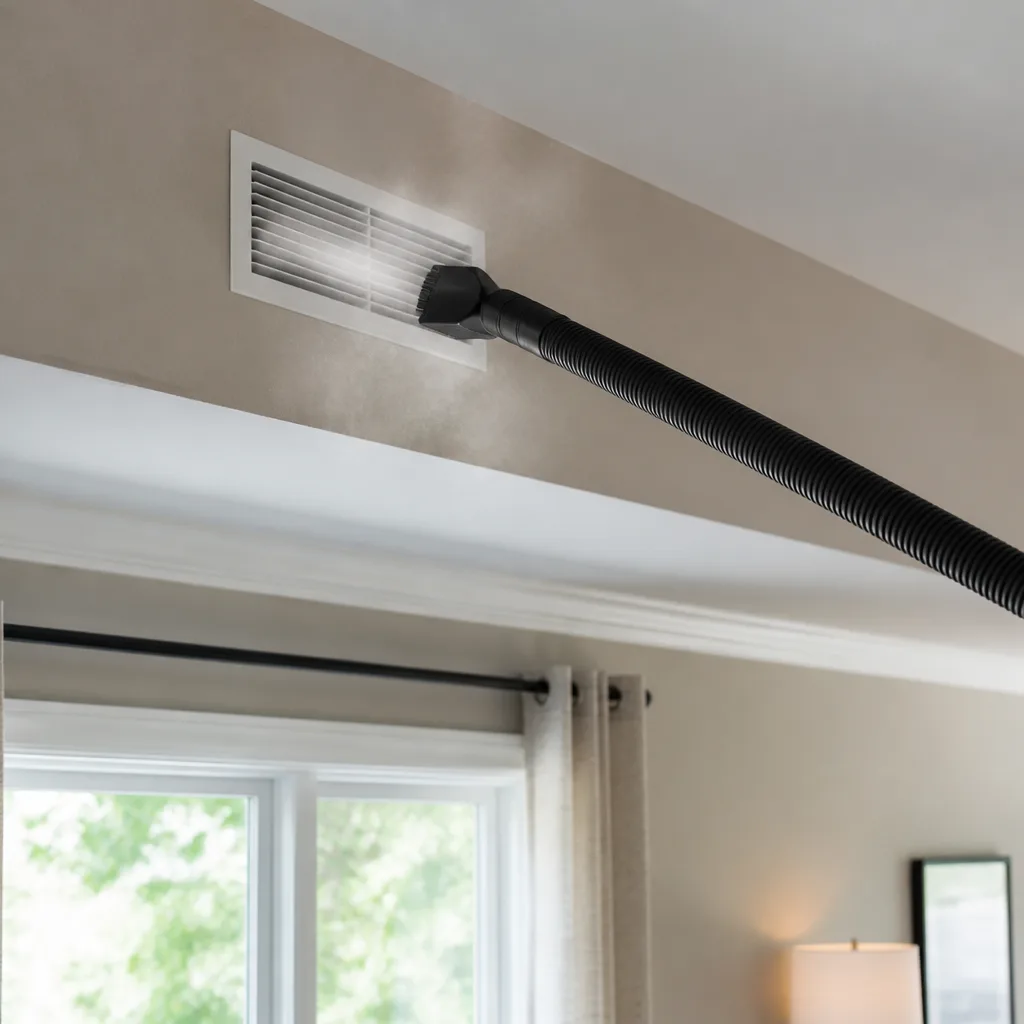 Sanitizing & deodorizing
Whole-system duct and dryer vent check with before-and-after photos - you see exactly what came out of your vents
That "$99 whole-house special" is a bait ad - the real number appears once they are in your hallway, or the "clean" is a shop-vac at the register. We photograph the inside of your ducts before and after instead.
Choosing the Right Air Duct Cleaning Brand: A Buyer’s Guide for St. Paul
Franchise affiliation tells you about brand standards on paper. It tells you nothing about the cleaning capacity at your house. The only thing that tells you that is the CFM rating and negative-pressure capability of the specific equipment headed to your door – and most companies won’t volunteer those numbers unless you ask. A familiar logo on a van is marketing. A truck mount with a real airflow rating, a technician who has run it for years, and a containment setup that keeps dust out of your living room – that’s a duct cleaning company. This guide shows you how to check all three before you book in St. Paul.
Quick Answer
The right air duct cleaning brand in St. Paul is the one that can answer three questions with specifics: what equipment is coming to your home and what is its airflow and containment capability, how many years of hands-on experience the technician has, and whether the company also repairs ductwork rather than only cleaning around problems. Brand names, franchise logos and coupon prices tell you nothing about any of those three. Ask about equipment, tenure and repair capability first, then compare price.
Styles & brands we work with
- Whole-home duct cleaning
- Dryer vent cleaning
- Camera inspection
- Sanitizing & deodorizing
Table of Contents
- Why “Franchise or Independent?” Is the Wrong First Question
- The Equipment Verification Checklist
- How to Read Reviews for Technical Competence
- What a Genuine St. Paul Focus Means in Practice
- Cleaning Versus Indoor Air Quality Consultation
- What a Proper Duct Cleaning Job Actually Involves
- The Questions to Ask Before You Book
- Why Repair Capability Separates Providers
Why “Franchise or Independent?” Is the Wrong First Question
Homeowners in St. Paul often start by sorting companies into franchise and independent. It feels like a meaningful filter. It isn’t. Both models can produce excellent work and both can produce a rushed, low-effort cleaning that leaves your system worse than it started. The label on the side of the truck doesn’t change the physics of what happens inside your ductwork.
What matters is equipment ownership. Does the company own its cleaning equipment, or does it sub-contract, rent, or rely on a portable shop-vac style unit for residential jobs? A company that owns professional-grade machines has committed capital to doing the work properly. That commitment shows up in the quality of every job.
The second question is technician tenure. A brand can be decades old while the person at your door is in their third week. Ask how long the technician assigned to your home has been doing duct cleaning specifically. In our experience, the difference between a careful, thorough cleaning and a rushed one comes down to the person holding the tool, not the logo on their shirt.
The third is service area concentration. Does the company actually work in St. Paul regularly, understand the housing stock here, and send technicians who’ve seen your type of system before? A national call-center operation dispatching from a regional hub is a different experience than a company whose technicians work in this city week after week.
Once you’ve got answers to those three questions, the franchise-versus-independent question becomes almost irrelevant. Sort by capability first, marketing second.
The Equipment Verification Checklist
Most duct cleaning companies will tell you they use “professional equipment.” That phrase means nothing on its own. A shop vac with a long hose attached is technically professional equipment in the loosest sense. Here’s how to get past the wording.
The core distinction is contact cleaning versus vacuum-only. Contact cleaning uses a rotating brush or air whips that physically agitate the dust and debris inside the duct and drive it toward the collection unit. Vacuum-only cleaning pulls at whatever happens to be loose. On ducts that have accumulated years of debris, contact cleaning is the difference between a clean system and a stirred-up one.
- Ask about the airflow rating. Truck-mounted and high-capacity portable units are rated in CFM (cubic feet per minute). Ask what CFM the equipment produces and whether it’s a truck-mount or a portable. A capable company will give you a straight answer.
- Ask what brush system they use. Contact cleaning relies on a rotating brush, air whip, or a combination. Ask specifically which system they run. Rotobrush is a common name for this category of equipment, and it’s what our technicians use on every job.
- Ask about containment. A proper job uses negative-pressure containment so that dislodged dust doesn’t escape into your living space. Ask how they contain debris and whether they use HEPA filtration. For homes with contamination concerns, mold, or allergy-sensitive occupants, containment is not optional.
- Ask about the equipment brand. Names like Nikro and Abatement Technologies point to commercial-grade gear. Abatement Technologies equipment is specifically associated with contamination and containment scenarios. If a company recognizes those names and can talk about them, they’re operating at a different level than a company running a consumer vacuum.
- Ask how they’ll handle your specific system. Rigid duct, flex duct, and ductboard each require different technique. A company that can explain how they’ll approach your system’s material is doing more than rote cleaning.
The point of asking isn’t to catch anyone out. It’s to see how they answer. A capable company answers plainly and without defensiveness. A low-bid competitor changes the subject to price.
How to Read Reviews for Technical Competence
Reviews for duct cleaning companies in St. Paul tend to fall into two piles: reviews about how it felt to have the technician in the house, and reviews about what the work did for the system. The first pile is about customer service. The second is about competence. Both matter, but they measure different things.
Filter for language that describes evidence. A review that mentions the technician showing before-and-after photos of the ductwork, explaining what they found, or identifying a broken connection and fixing it is describing a competent job. A review that says “politician, on time, friendly crew” tells you the interaction went well and nothing else.
Watch for these signals:
- Specific findings. “He showed me where the return duct was disconnected” beats “very professional.”
- Repair language. Reviews that mention sealing, reconnecting, or repairing ductwork indicate the company does more than cleaning.
- Before-and-after documentation. Photos of the system before and after cleaning are the single strongest proof a job was done. A review that mentions them is worth more than ten that don’t.
- Equipment references. Reviews that name the equipment, the containment method, or the process show the customer paid attention and understood what happened.
- Repeat customers. Someone who calls the same company back after a few years is telling you the first job was good enough to earn a second.
Also read the low-star reviews. A one-star review that complains about a specific technical failure is more informative than a dozen five-star reviews about politeness. A company that responds to a technical complaint with a plain explanation of what went wrong is showing you how it handles the work.
What a Genuine St. Paul Focus Means in Practice
Every duct cleaning company claims to serve St. Paul. The claim is cheap. What matters is whether a St. Paul focus changes anything about the job you actually get.
Start with housing stock. St. Paul has a wide range of home ages and construction types, from older homes with original ductwork to newer construction with different materials. A technician who works here regularly has seen the range. They know what a duct system from a given era tends to look like inside, and they know which problems come up again and again. That familiarity shortens the diagnostic process and reduces the chance that a hidden problem goes unnoticed.
Climate matters too. St. Paul has real winters. Heating systems run hard here for much of the year, and ductwork that’s been carrying heated air through long cold seasons tends to accumulate a particular kind of debris and, in some cases, moisture-related issues. A technician working in St. Paul knows what heating-season ductwork looks like and what to check for.
The other operational difference is accountability. A local company that works in St. Paul can’t easily hide from a bad job. The reputation is local, the customers are neighbors, and the work is visible. A national dispatch model routes calls through a regional call center. The customer-service experience is standardized, but so is the inability to hold anyone to account at the local level.
Response time is the third piece. A company that regularly works in St. Paul can get to a job here without a long dispatch chain. That matters more for repair and urgent situations than for a scheduled cleaning. When a duct connection fails and you need someone to look at it, distance is a real variable.
Cleaning Versus Indoor Air Quality Consultation
Not every duct cleaning job needs the same service. Some homeowners need a thorough cleaning. Others need a conversation about their whole system. Knowing which one you need tells you which provider to look for.
A cleaning-only provider shows up, cleans the ducts, and leaves. That’s the right service if your system is generally healthy, you’ve had it cleaned before, and you’re doing routine maintenance. Nothing more is needed.
An indoor air quality provider does the cleaning, and then looks at the system as a whole. Do you have a filtration issue? Are there moisture problems in the ductwork? Is the return duct connected properly? Are there contamination concerns that require containment equipment and careful handling? Is the dryer vent blocked? A company that can answer those questions is offering something different. It’s consulting on the air inside your home, not just serving a cleaning appointment.
This matters in St. Paul for practical reasons. Older homes can have ductwork that’s been modified, patched, or disconnected in places that aren’t visible from the register. Homes with allergy-sensitive occupants might need HEPA-grade containment during cleaning. Homes that have had water intrusion or known contamination need Abatement Technologies-style equipment and negative-pressure containment, not a routine pass. A cleaning-only company will clean the ducts it can see. An air quality provider will tell you what it found and what to do about it.
The difference in what you pay for is worth understanding before you book. If you need a consultation, a cleaning-only company isn’t the right call. Call Ambassador Air Duct Cleaning for a free estimate and an assessment of your whole system, not just a cleaning date.
What a Proper Duct Cleaning Job Actually Involves
A thorough duct cleaning is a process with a beginning, a middle, and a verifiable end. Here’s the sequence a capable company follows on a typical St. Paul home.
- Inspection. The technician opens registers and return grilles and inspects the ductwork for condition, material type, and obvious problems like disconnected sections or debris accumulation.
- Containment setup. Negative-pressure containment goes in first. This keeps dislodged dust inside the work area and out of your living space. On jobs with contamination concerns, the containment requirement is higher.
- Contact cleaning. A rotating brush or air whip system agitates the duct walls while the collection unit pulls the debris out. This is the part that requires professional equipment. A vacuum alone doesn’t do it.
- Return and supply duct cleaning. Both sides of the system get cleaned. A job that cleans only the supply ducts and skips the returns is a partial job.
- Register and grille cleaning. Registers, grilles, and diffusers are removed and cleaned separately. Debris collects here too.
- Verification. The technician inspects the cleaned ductwork and shows the homeowner what the system looks like after cleaning. Before-and-after photos are the standard here. If a company doesn’t offer them, ask why.
The whole process on a typical home takes a couple of hours or more, depending on system size and condition. A crew that’s in and out in thirty minutes either had a very easy job or didn’t do the full sequence. Ask what the job will include before they start.
The Questions to Ask Before You Book
Write these down and ask them on the call. The answers tell you more than any website.
- What equipment will be used at my home, and is it truck-mounted or portable? What’s the airflow rating?
- What brush system do you use for contact cleaning?
- How will you contain the dust during cleaning?
- How many years of experience does the technician assigned to my home have?
- Do you clean both the supply and return sides of the system?
- Will I get before-and-after photos of my ducts?
- Do you also repair ductwork, or only clean it?
- What’s the price for my specific system, and is it a flat price or per-register?
A company that answers all eight without hesitation is operating at a professional level. A company that can’t answer questions two through five is showing you what the work will look like. Call (888) 501-7655 and ask us these directly – we answer 24/7, with fast dispatch from 7am to 7pm, Sunday through Friday.
Why Repair Capability Separates Providers
Most duct cleaning companies clean ductwork. Very few repair it. The difference shows up when the inspection turns up a problem – a disconnected section, a sagging run, a compromised connection, or ductwork that’s been damaged by animals or moisture. A cleaning-only company will note the problem and finish the cleaning. A company that also does air duct cleaning and repair will fix it.
This matters because cleaning around a structural problem leaves the job half-done. If air is leaking from a disconnected duct, cleaning the rest of the system doesn’t solve the problem – you’re still paying to heat or cool a crawlspace. Repair is the completion of the job, not an add-on.
In St. Paul, older homes are a common place where this comes up. Ductwork that’s been modified over decades can have connections that have worked loose or sections that were never properly sealed. A technician who can diagnose and fix those issues is delivering a different outcome than one who can’t.
Ask about repair on the initial call. A company that can do it will say so plainly. A company that can’t will tell you they’ll “note it for you.” That’s your answer.
Common Mistakes to Avoid
- Booking on price alone. A coupon price is the easiest thing to lead with and the least informative thing about a company. The equipment, the technician’s tenure, and the containment setup are what determine the outcome. Price tells you what the company chose to lead with.
- Not asking about equipment. “Professional equipment” is a phrase any company can use. Ask for the equipment name and the airflow rating. Rotobrush and Nikro are names worth recognizing; a generic shop-vac setup is not in the same category.
- Skipping the containment question. In St. Paul homes, a cleaning without proper negative-pressure containment can redistribute dust through the house. That’s the opposite of what you hired them for. Ask upfront.
- Assuming brand equals capability. A franchise logo tells you about brand standards on paper. It doesn’t tell you what’s on the truck. Sort by equipment and technician, then compare brands.
- Not asking for before-and-after photos. Photos of the ducts before and after are the single clearest proof the work happened. If a company can’t or won’t show them, ask why. Companies that document their work are proud of it.
- Calling a cleaning-only company for a system with problems. If your system has known contamination, moisture issues, or disconnected ductwork, you need a provider that can diagnose and repair. A cleaning-only company can make the situation worse by disturbing debris without containment.
- Ignoring the dryer vent. Dryer vent cleaning is a fire-prevention service, and it’s often overlooked when homeowners book duct cleaning. Ask about dryer vent cleaning at the same time if you haven’t had it done recently.
See the difference
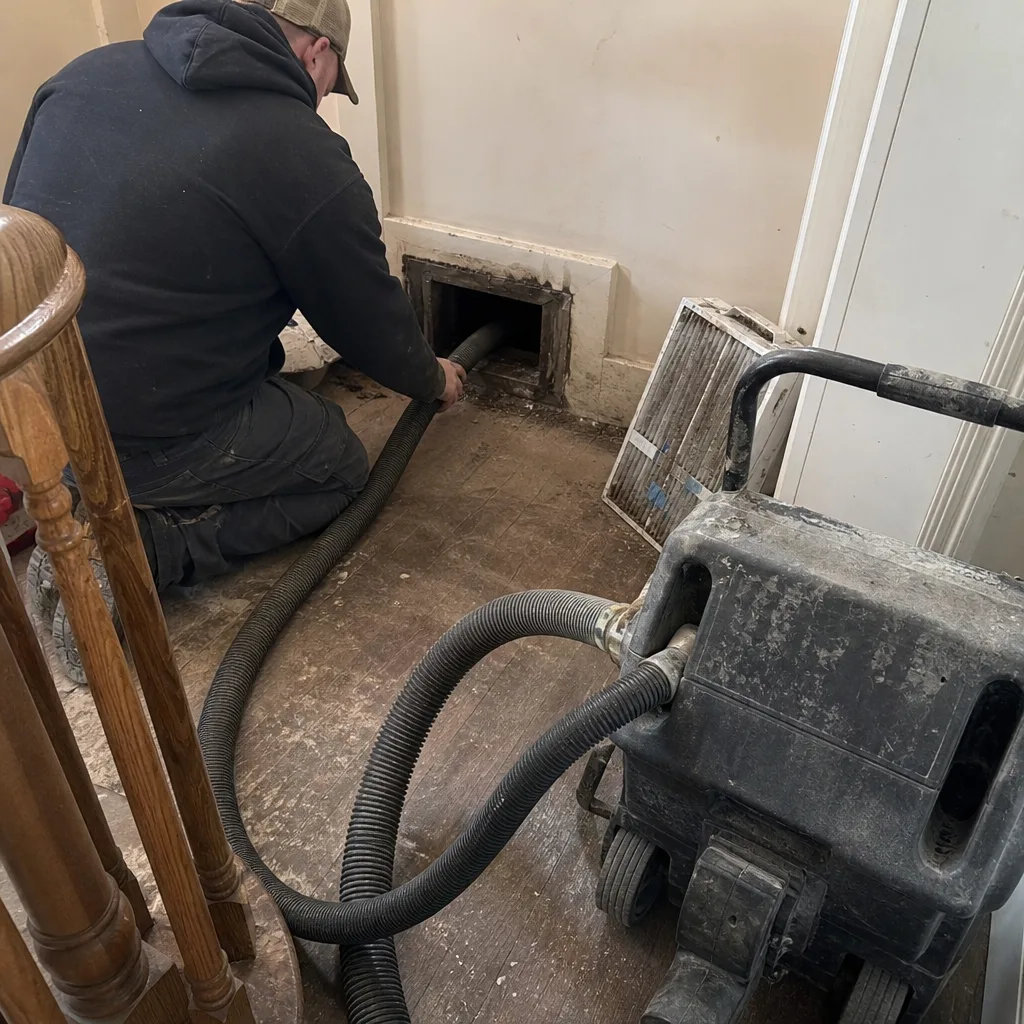 Before
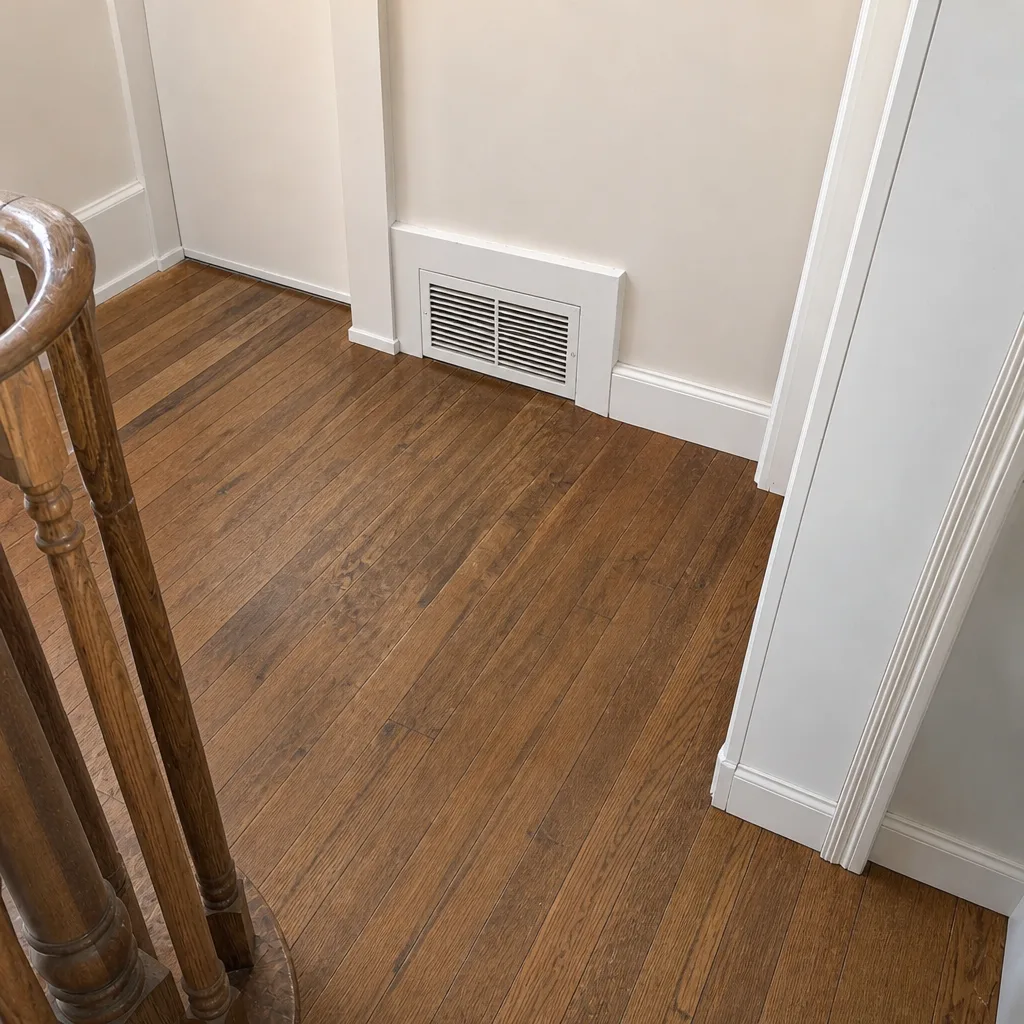 After
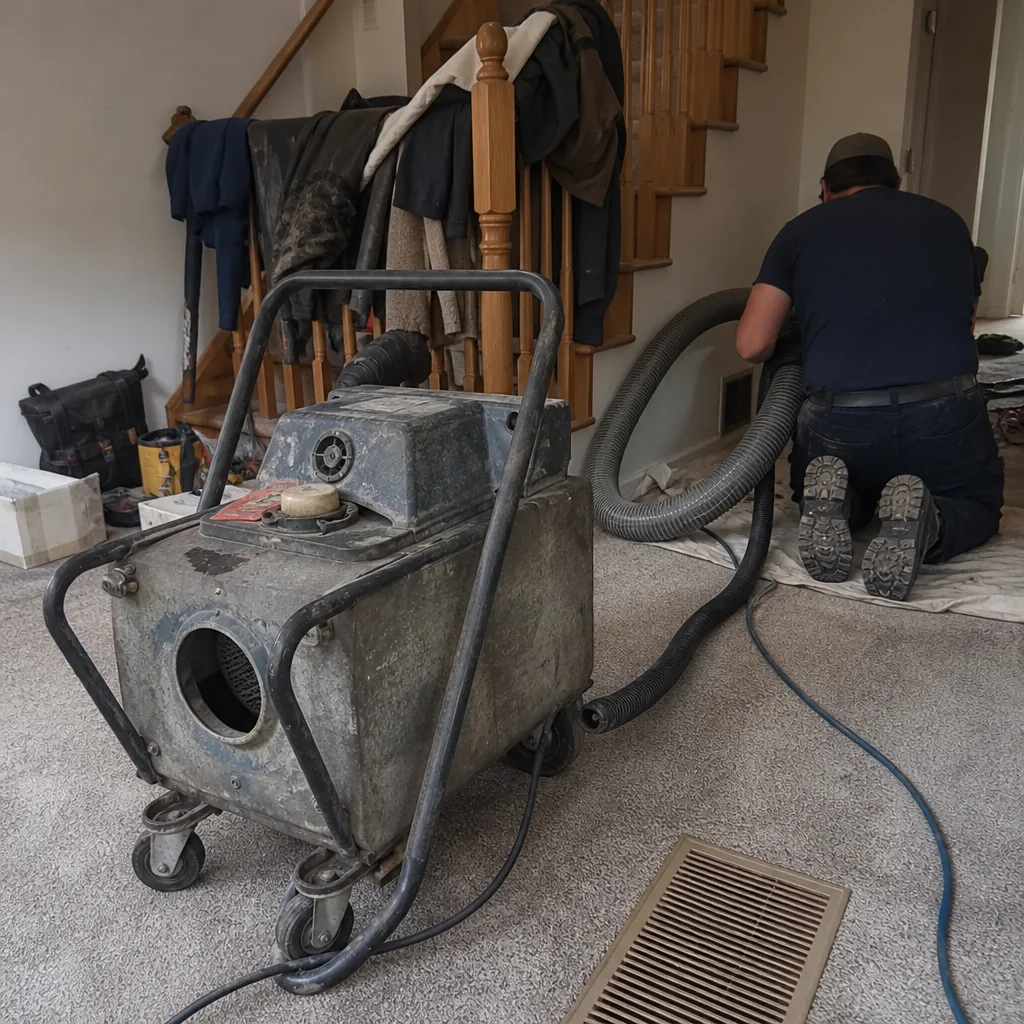 Before
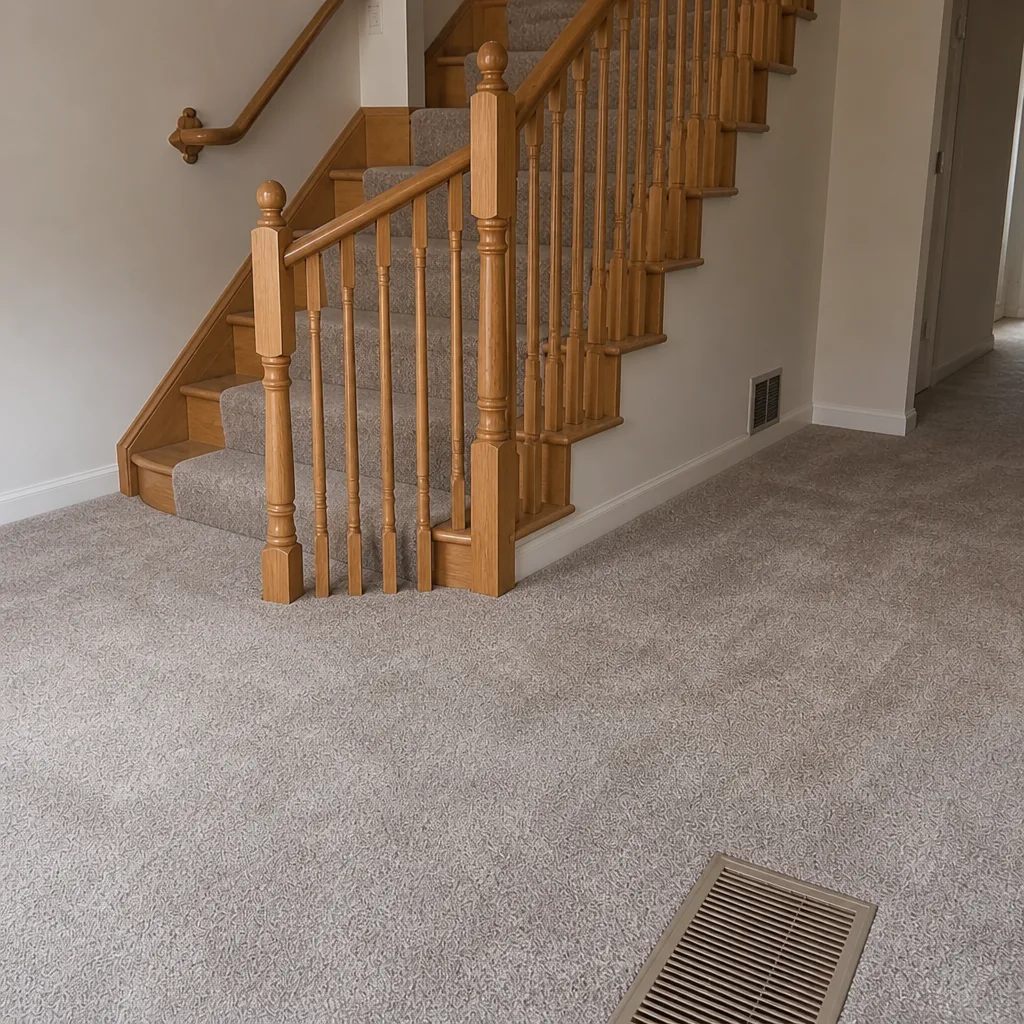 After
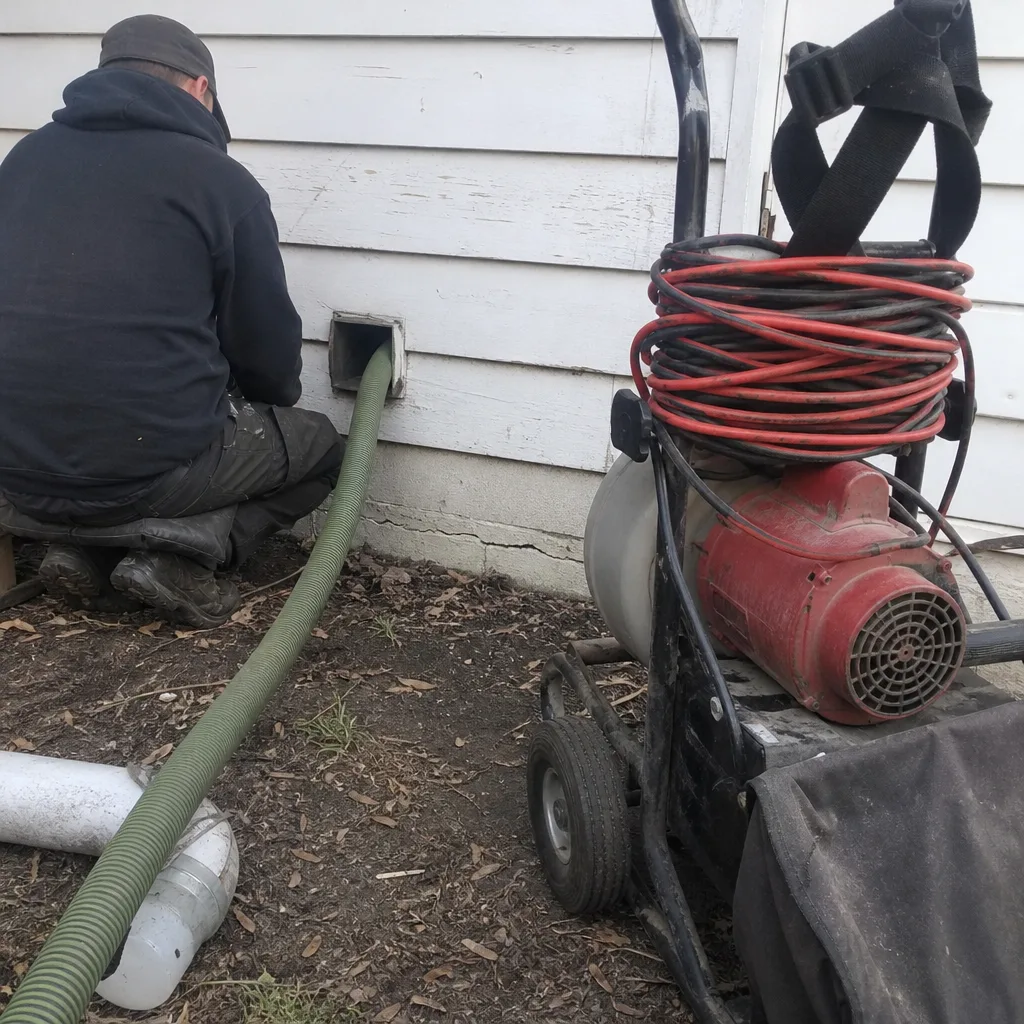 Before
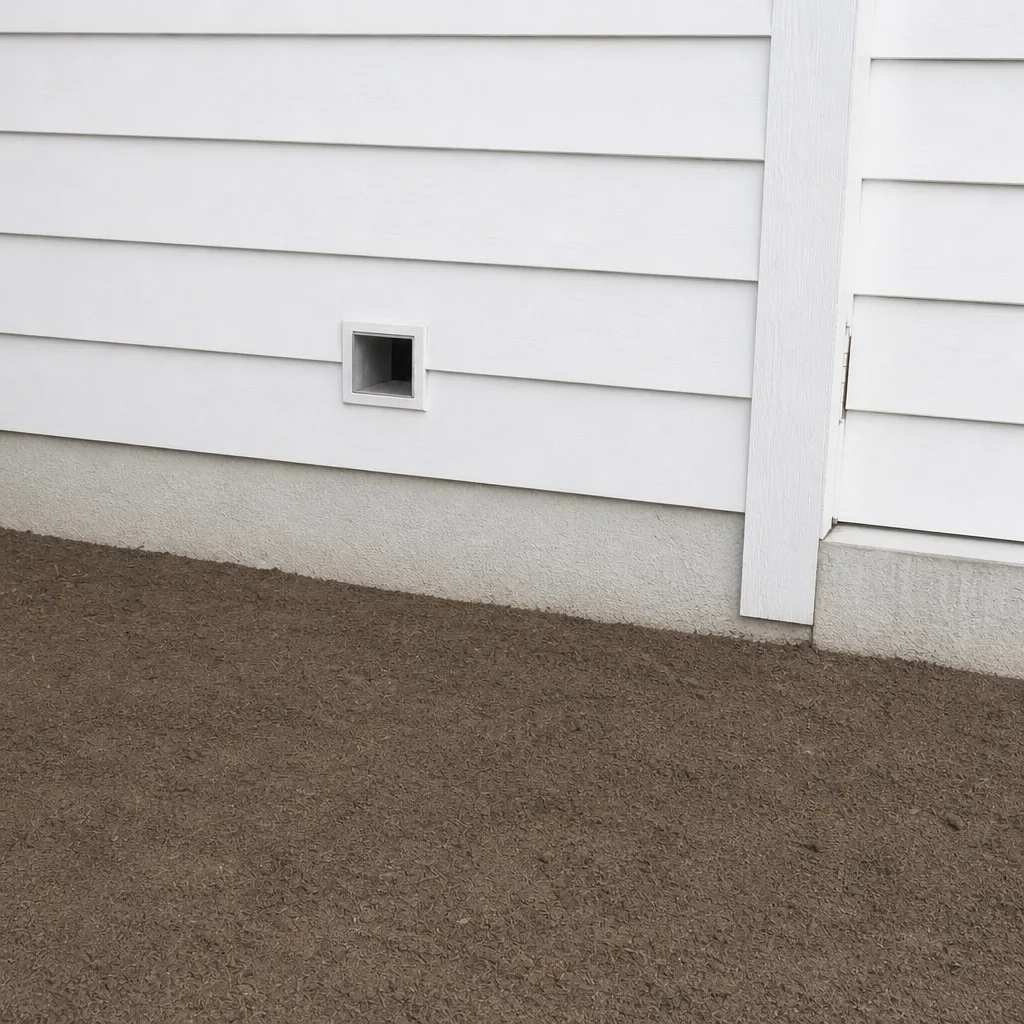 After
When to Call a Professional
Some signs are clear enough that it’s time to pick up the phone. Visible dust blowing from registers when the system starts is a signal. A noticeable increase in dust on surfaces after a heating or cooling season is another. Musty or unusual odors when the system runs point to moisture or contamination that needs inspection, not a quick cleaning. Anyone in the home with persistent allergy symptoms that worsen when the HVAC system runs is worth a professional look at the ductwork. A recent renovation, a first-time home purchase, or a home that hasn’t had the ducts cleaned in years all warrant an inspection. And if the dryer is taking longer than it used to, that’s the warning sign that makes dryer vent cleaning a same-week call. Ambassador Air Duct Cleaning offers free estimates in St. Paul – call (888) 501-7655. We answer 24/7.
Frequently Asked Questions
There’s no single price, because the cost depends on system size, condition, and whether repair is needed. What you should ask for is a flat, whole-system price agreed before work begins – not a per-register price and not a coupon price that grows once the technician is on site. The problem with the low-bid model is that the final invoice often looks nothing like the advertised number. Ask for the full price upfront and get it in writing. Call (888) 501-7655 for an exact quote – estimates are free.
Usually because the equipment is smaller, the job is faster, or the work is limited to a surface pass instead of full contact cleaning with containment. A shop-vac-style setup costs a fraction of a Rotobrush or Nikro professional system, and the price gap reflects that. Question one thing: whether the cheaper crew actually cleans both supply and return ducts, uses containment, and provides before-and-after photos. If the answer is no, the price gap is explaining itself. Call (888) 501-7655 for a quote that reflects the full job.
Ask for before-and-after photos of your own ducts. A company that documents the work before and after cleaning is showing you what happened inside the system. Ask before booking whether photos are standard, not as an afterthought. A company that cleans the ducts and can’t show you what changed is asking you to take their word for it. Call (888) 501-7655 to book a job with documentation.
For most St. Paul homes, every few years is reasonable, but the right answer depends on your system. A home with pets, recent renovation, allergy-sensitive occupants, or a long interval since the last cleaning may need it more often. A home with a well-maintained system and no contamination can go longer. The right call comes from an inspection, not a calendar. Call (888) 501-7655 for a free estimate and a straight answer on timing.
You may need both. Duct cleaning removes accumulated debris. Duct repair fixes disconnected, damaged, or improperly sealed ductwork. A cleaning-only company can clean around a structural problem and leave it in place. Ask upfront whether the company does repair, and if the inspection turns up a problem, get it fixed before you call the job done. Call (888) 501-7655 for an assessment of both.
Not necessarily. A franchise sets brand standards on paper; the technician, equipment, and crew that show up at your home determine the job. The better question is what equipment is being sent, how much experience the technician has, and whether the company works in St. Paul regularly enough to know the housing stock. Sort by those criteria and the franchise-versus-local question mostly resolves itself. Call (888) 501-7655 and ask us directly.
The Bottom Line
Choosing the right air duct cleaning brand in St. Paul comes down to three verifiable facts: what equipment is coming to your home and what it can do, how much hands-on experience the technician has, and whether the company can repair ductwork when the inspection turns up a problem. Brand names and coupon prices don’t tell you any of that. Ask about equipment, tenure, and repair capability first, then compare price. A company that answers all three with specifics is the one worth booking. We’ve built our service around those three questions because they’re the ones that decide the outcome of the job.
Ambassador Air Duct Cleaning offers free estimates in St. Paul. Call (888) 501-7655. We answer 24/7. Fast dispatch from 7am to 7pm, Sunday through Friday.
Written by the team at Ambassador Air Duct Cleaning.