
Last updated November 15, 2026
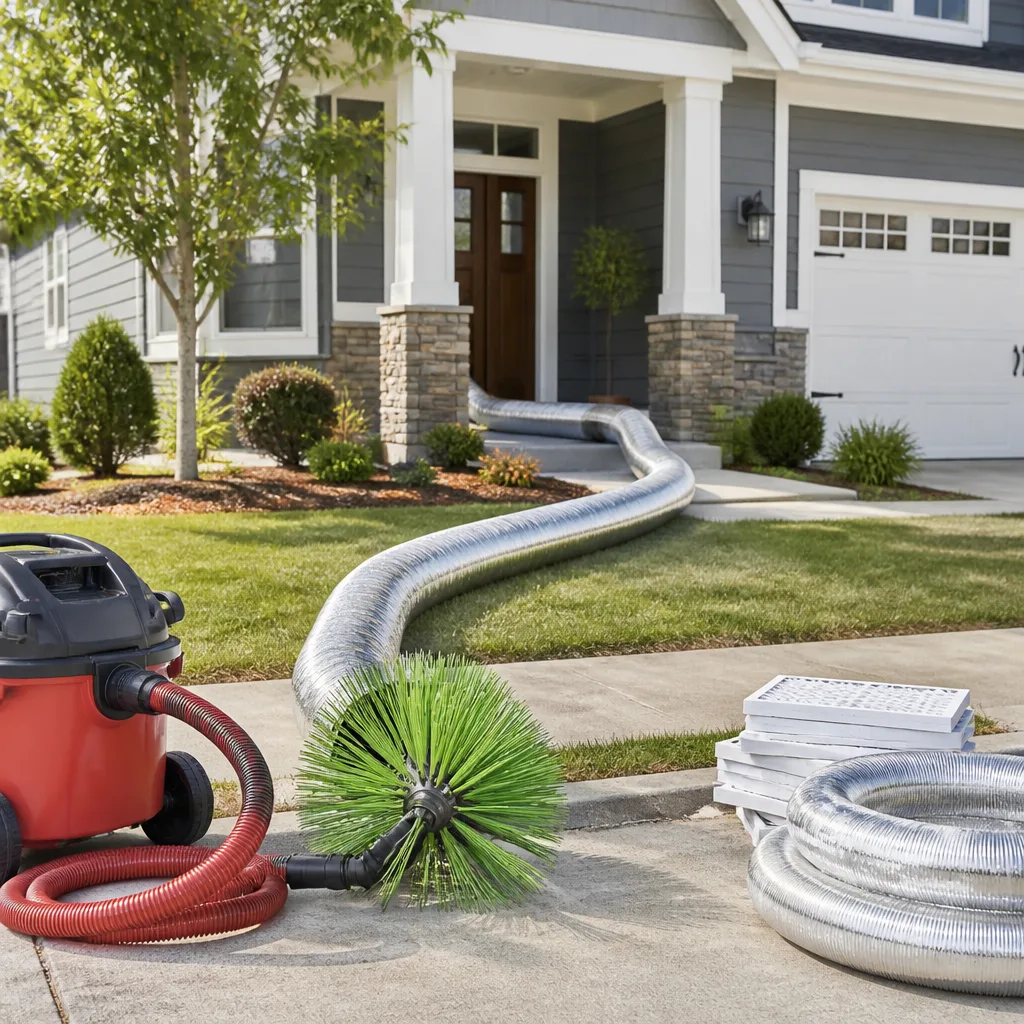 Whole-home duct cleaning
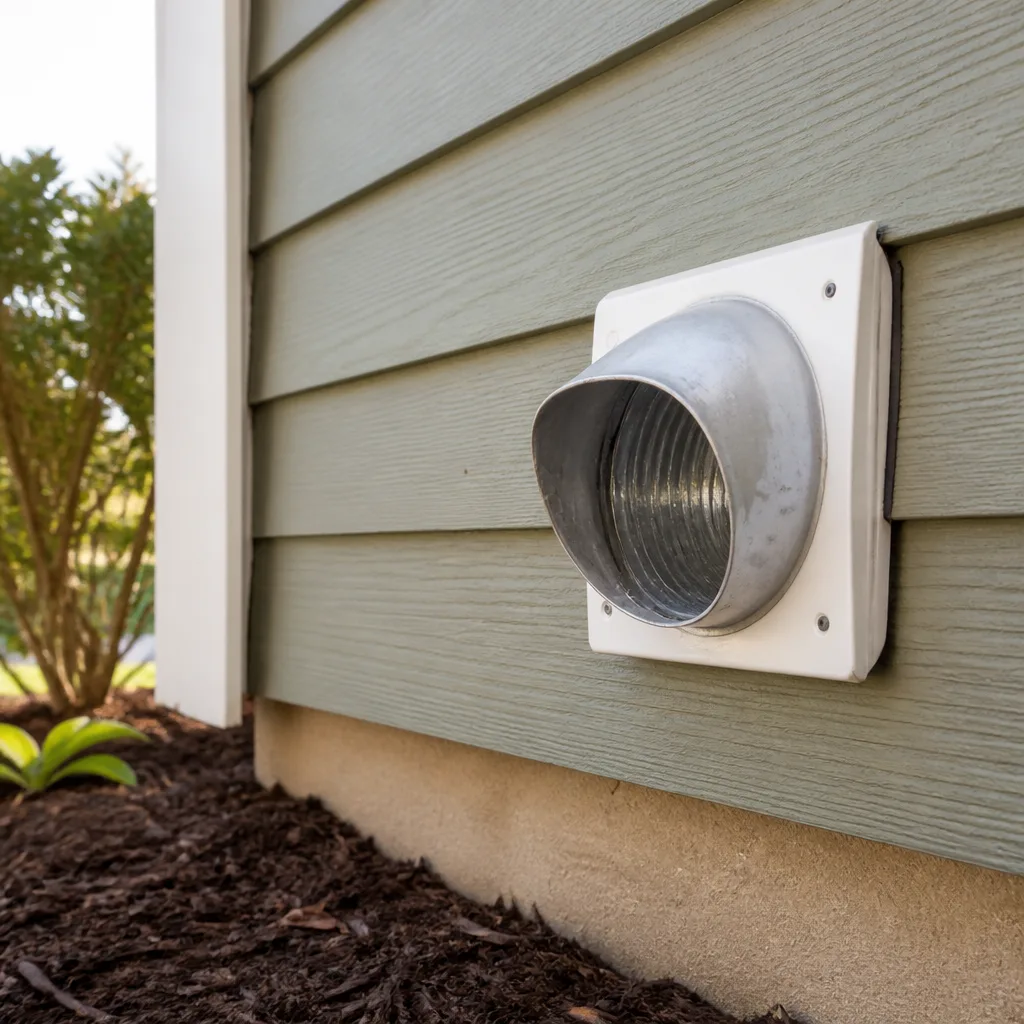 Dryer vent cleaning
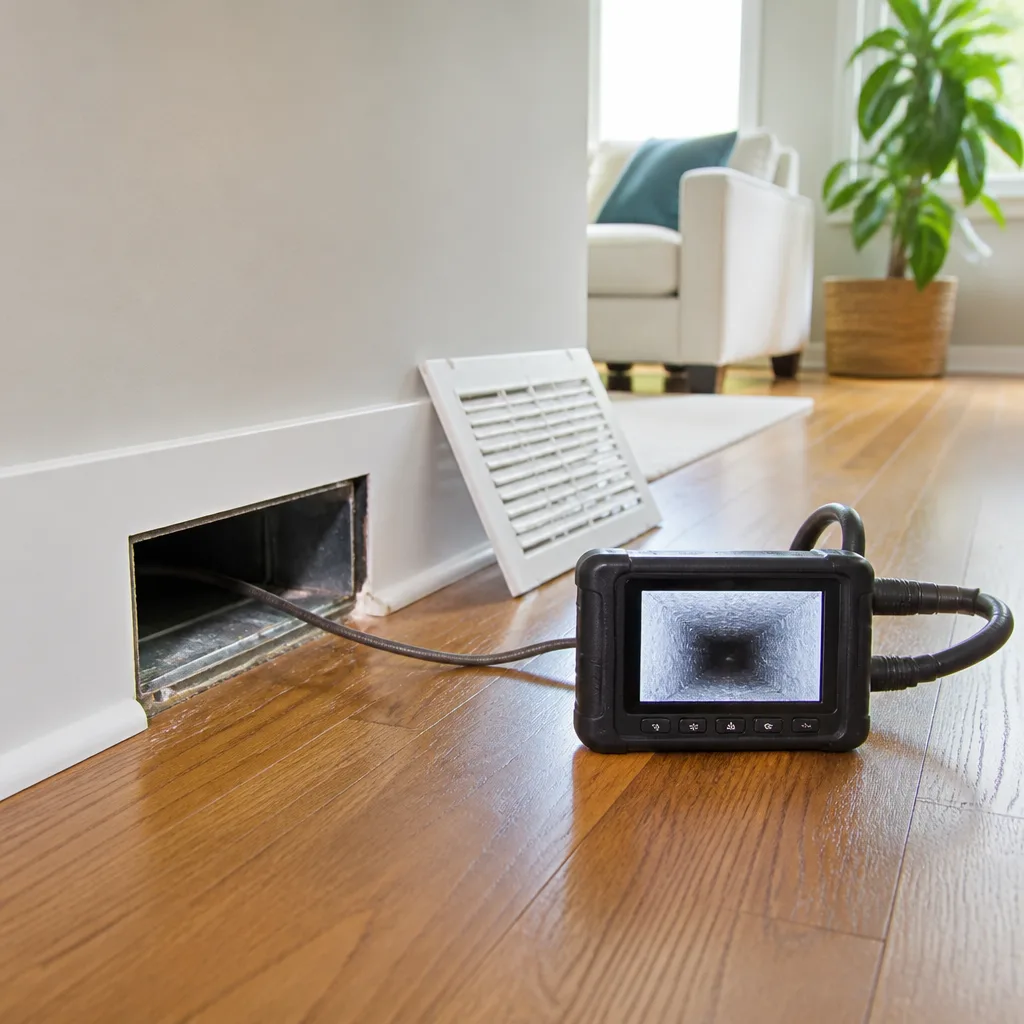 Camera inspection
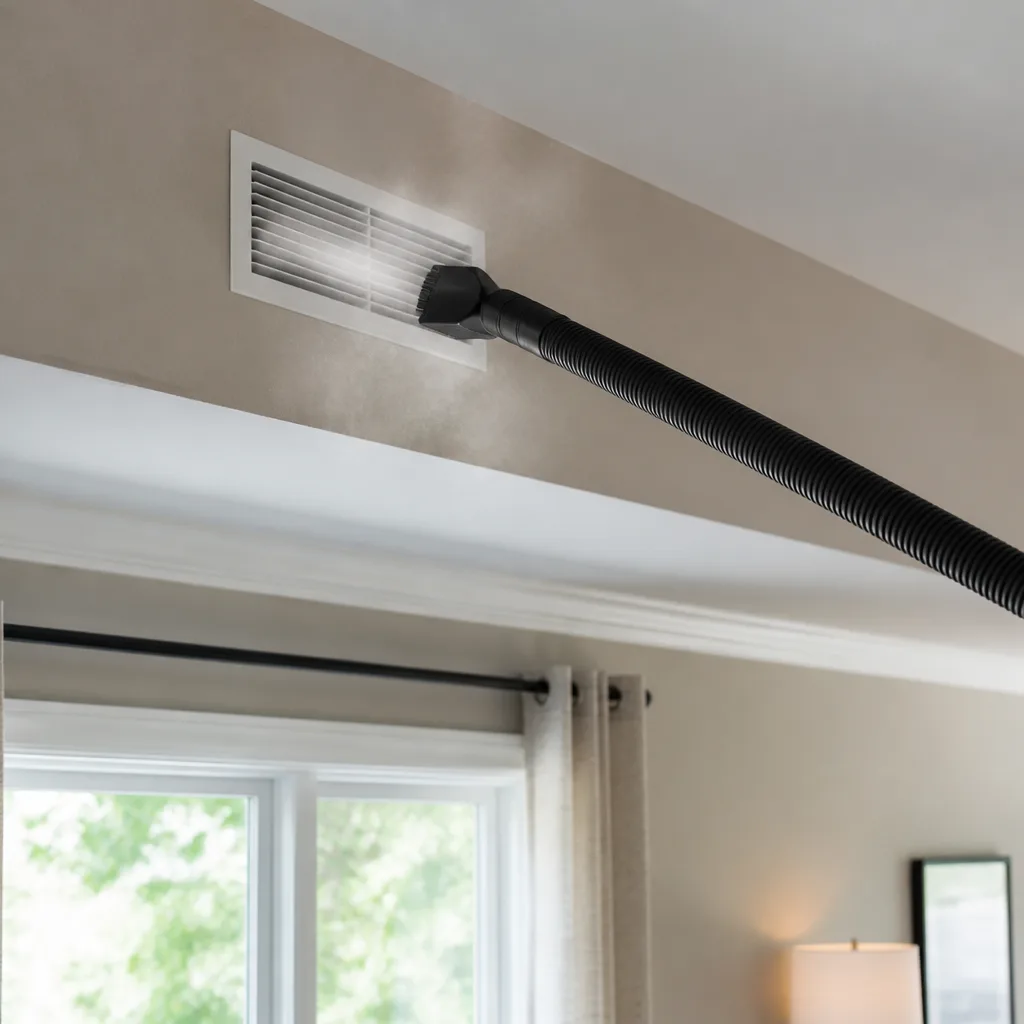 Sanitizing & deodorizing
Whole-system duct and dryer vent check with before-and-after photos - you see exactly what came out of your vents
That "$99 whole-house special" is a bait ad - the real number appears once they are in your hallway, or the "clean" is a shop-vac at the register. We photograph the inside of your ducts before and after instead.
How to Hire an Air Duct Cleaning Contractor in St. Paul: A Step-by-Step Guide
If a company can give you a firm whole-home price over the phone without asking about square footage, vent count, duct material, or system age, that’s the first red flag, not a convenience. Minnesota does not license air duct cleaning, which means there’s no state board checking equipment, training, or method before someone walks into your home. The only real protection you have is knowing which questions expose a crew that’s running a shop-vac and a coupon versus one that brought commercial-grade equipment. This guide walks you through those questions, how to read a quote line by line, and what St. Paul homeowners should watch for in this market.
Quick Answer
Here’s the short version: hire an air duct cleaning contractor in St. Paul by verifying equipment first, method second, and price last. Call at least three companies, ask what machine they use (a Rotobrush or Nikro system is a genuinely different tool than a shop-vac), insist on a whole-system written quote after an in-person walkthrough, and skip anyone who quotes “per vent” over the phone. Expect the estimate to be free and the final price to be set in writing before work starts.
Styles & brands we work with
- Whole-home duct cleaning
- Dryer vent cleaning
- Camera inspection
- Sanitizing & deodorizing
Table of Contents
- Why You Need to Verify Everything Yourself in Minnesota
- The Five Equipment Questions to Ask Before Booking
- What NADCA Membership Does and Doesn’t Tell You
- How to Read a Duct Cleaning Quote Line by Line
- St. Paul-Specific Red Flags and Upsell Scripts
- What a Legitimate Walkthrough Looks Like
- How to Verify the Work Was Actually Done
- Common Mistakes to Avoid
Why You Need to Verify Everything Yourself in Minnesota
Air duct cleaning is not a licensed trade in Minnesota, which is a fact that surprises most homeowners. There’s no state exam, no continuing education requirement, no inspection of equipment, and no complaint board that pulls a duct cleaner’s credentials the way it might for an electrician or plumber. Anyone who can buy a vacuum and print a business card can advertise duct cleaning in St. Paul. That regulatory vacuum is exactly why the burden of due diligence lands on you.
What that means in practice is that “professional” is a marketing word, not a legal one. The word appears on every flyer and every website, including the ones that show up with a consumer-grade vacuum and a whirling brush on a drill. The difference between a legitimate duct cleaning job and a cosmetic pass is almost entirely in the equipment and the method, which is why the next several sections focus on what to ask and how to read the answers.
St. Paul adds a few local wrinkles. The housing stock here is old and mixed, with a lot of homes in neighborhoods like Highland Park, Macalester-Groveland, and the West Seventh area carrying original or partially updated ductwork from mid-century or earlier. Older galvanized duct runs often have seams that have separated, flex duct that’s collapsed, or disconnected sections hiding behind drywall. That matters because a company that only cleans and does not repair will push a brush through a broken duct, vacuum the accessible sections, and leave the structural problem exactly where it was. We repair what others only clean around, and if you own an older St. Paul home, that distinction is worth understanding before you book anyone.
The other local factor is winter. St. Paul homes run their furnaces hard for a large stretch of the year, which means ductwork and the air handler see heavy cycling. That heavy use makes regular attention useful, but it does not make panic-buying a coupon price sensible. What it does mean is that a careful inspection from a company that actually understands HVAC systems is a better investment than a quick surface cleaning from a crew that’s in and out in ninety minutes.
The Five Equipment Questions to Ask Before Booking
Equipment is the single most useful filter in this business, because you can ask about it directly and the answer tells you almost everything. A serious company will answer these without hesitation. A shortcut operation will deflect.
- What machine will you use, and can you name it? Professional contractors use truck-mounted or powerful portable systems. We operate Rotobrush contact-cleaning systems and Nikro HVAC equipment, the same class of tools commercial contractors use. If the answer is a brand name you can look up, that’s a good sign. If the answer is “a very strong vacuum,” that’s a warning.
- Does the equipment use contact cleaning, or vacuum-only? Source removal means physically agitating debris off the duct walls while vacuum holds it in the airstream. Vacuum-only pulls at loose dust without touching what’s adhered to the metal. Ask which method applies to your system.
- Is there HEPA filtration, and what’s the airflow spec? A legitimate setup contains dust. If the technician can’t tell you how the system captures what it stirs up, the answer is probably “it doesn’t.”
- Do you do negative-pressure containment? For serious indoor air quality situations, a professional setup uses equipment like Abatement Technologies to maintain containment and prevent cross-contamination in the home. This matters especially if you’re worried about mold or post-renovation debris.
- Do you repair ductwork, or only clean it? This one separates capable contractors from cleaning-only operations. A company that repairs ducts will inspect seams, joints, and flex runs and address failures. A cleaning-only crew will mention the problem and hand you the bill anyway.
What acceptable answers sound like: named equipment, named method, a clear description of containment, and a stated willingness to repair. What evasive answers sound like: vague references to “industrial equipment,” claims of “the most powerful vacuum available,” or a redirect to price. Our technicians have up to 10 years of experience, and in that time the questions that best predict quality haven’t changed.
What NADCA Membership Does and Doesn’t Tell You
NADCA, the National Air Duct Cleaners Association, sets a recognized industry standard, and membership is a real signal that a company takes the trade seriously. It also doesn’t do the whole job for you, and it’s not a substitute for state oversight (because there isn’t any here). Membership is voluntary. A company can be a member and still be a below-average operator. A company can be a non-member and be excellent. Treat it as one positive input, not a gold seal.
What to verify beyond the logo:
- Is the technician answering the phone actually trained on the equipment? Ask whether the crew on your job has hands-on experience with the specific machines they’ll bring. A logo doesn’t tell you that.
- Does their scope of work match what NADCA’s standard actually calls for? The standard emphasizes source removal, not fogging and not a spray-and-go.
- Do they photograph before and after? Legitimate contractors document their own work because it’s how they prove it. Ask whether you’ll see photos of your system.
- Can they speak to repair and not just cleaning? If your system has structural issues, membership status won’t fix them. Can the company actually correct what it finds?
- Do they carry Abatement Technologies-class equipment for containment scenarios? Ask specifically. It’s a small group of companies that do, and it’s a genuine differentiator.
The practical upshot: NADCA membership plus named professional equipment plus repair capability is what real due diligence looks like. Any one of those on its own is not enough.
How to Read a Duct Cleaning Quote Line by Line
Quotes in this industry hide in two shapes: the “per-vent” quote and the flat-rate teaser. Both exist to make a price look smaller than it is, and both reveal the cleaning method. If you see “per vent,” ask what a vent is. If a company gives a whole-home flat price for any home, ask what the price covers. Real quotes are built after a walkthrough, not before it.
Here’s how to audit a quote:
- Look for a whole-system price, not a per-vent price. Per-vent pricing is a strong signal the crew is doing a quick vacuum of each register and calling it done. Whole-system pricing reflects the actual work of cleaning the trunk lines, main runs, and connected components. We price per system, agreed in writing before work starts, because that’s the only structure that matches the work.
- Check whether the number of registers is even mentioned. A quote that ignores your vent count in a 1920s Highland Park home versus a newer build isn’t a quote, it’s a guess.
- Ask what’s not included. Furnace? Air handler? Coils? Repairs? The line between “duct cleaning” and “the whole system” needs to be explicit.
- Ask what “sanitizing” actually means and what it’s for. Chemical treatment is a real category, but it should follow cleaning, not replace it. If a company leads with fogging and mentions cleaning as an afterthought, you’ve found a fogger, not a duct cleaner.
- Look for red flags in the line items. “Sealing” and “sanitizing” upgrades offered before anyone has looked inside your ducts are upsells. A reputable contractor inspects first, proposes second.
- Confirm the estimate is free and written. It should be both.
For a clearer picture of what thorough whole-home air duct cleaning involves, ask any contractor you’re considering to describe what happens in a system like yours. If the description is vague, the work will be too.
St. Paul-Specific Red Flags and Upsell Scripts
The St. Paul market has patterns that homeowners should recognize before they invite anyone inside. Knowing the pattern is half the defense.
- The phone quote that changes on-site. A company offers a number over the phone, then arrives and finds “problems” (hidden debris, mold, contamination) that raise the price dramatically. Legitimate contractors quote after a walkthrough, in writing.
- The “sanitizing required” script. Sanitizing is a legitimate add-on when there’s an actual concern. It’s not a routine requirement on every home. Ask why, ask what it targets, and ask whether the company would recommend it in writing after inspection.
- The “we found mold” line, delivered without evidence. Any company claiming contamination concerns should be able to support that claim with photos and, ideally, handle it with proper containment equipment like Abatement Technologies systems. If they can find mold with a flashlight but not document it, walk away.
- The bait-and-switch crew. The company that quoted you isn’t the crew that shows up, and the crew has no idea what you agreed to. Ask for the scope in writing and hold whoever arrives to it.
- The two-hour quick clean. Old St. Paul systems take more than two hours to do right. A professional job on a mid-century home with multiple returns and an air handler is a substantial part of a day.
There’s also a category of upsell specific to older St. Paul homes: the “your ducts need complete replacement” pitch, delivered before any real inspection. Structural duct problems are real, and some do require significant work, but a proper diagnosis happens after actually examining the runs. Our crew can repair ductwork, which means we recommend repair when repair is the answer, and we don’t need to escalate to replacement to justify showing up.
What a Legitimate Walkthrough Looks Like
The walkthrough is where you learn what kind of company you’re dealing with. It happens before any contract, and in a professional operation it takes real time. If the “inspection” is a twelve-minute walk with a clipboard and a price at the end, you’ve learned something important.
Here’s what a thorough walkthrough includes:
- A review of the HVAC system. Furnace, air handler, blower, filter location, and return configuration. A company that doesn’t understand the system can’t clean it intelligently.
- Inspection of duct material and condition. Galvanized sheet metal, flex duct, and older rigid board each present differently. The contractor should be able to tell you what you have and identify anything disconnected, crushed, or failed.
- Register and return count. Every supply and every return should be counted, because that’s what the quote is built on.
- Access points. The crew should be able to tell you where they’ll open the system and how they’ll restore it afterward.
- Conversation about your actual concerns. Allergies, recent renovation, musty odors, dryer vent issues. A real contractor asks before deciding what to recommend.
If you’re also concerned about a safety issue that frequently goes unaddressed in St. Paul homes, ask about dryer vent cleaning during the same visit. Dryer vents are a leading cause of residential house fires, and the walkthrough is the right moment to have it assessed.
How to Verify the Work Was Actually Done
Verification is the piece most homeowners skip. It’s also the piece that separates real contractors from cleaning-as-theater. A professional job leaves evidence, and it’s not difficult to review if you know what to look for.
- Before-and-after photos of your own ducts. Interior photos of the trunk line or main runs, not stock images. Ask for them in advance. Ask whether you’ll see them after the job.
- Visible access points. You should be able to see where the crew opened the system. Sealed access panels and restored registers are part of a proper job.
- A clear statement of what was cleaned and what wasn’t. A good contractor tells you if a section was inaccessible rather than implying everything was reached.
- Notes on anything found. Disconnected ducts, failed flex, filtration issues. If your system has a structural problem, they should tell you, and for the companies that repair, offer to correct it.
We photograph before and after on every job because it’s the most honest form of proof. Ask any contractor you’re evaluating whether they do the same. If the answer is no, that’s information.
You also have a verification asset you might not know about: your filter. A filter that’s clean when the crew arrives and clean when they leave is evidence the work happened cleanly, without the dust storm that follows a bad vacuum-and-brush job. A filter packed with debris after a job is a sign the containment wasn’t what it should be.
Common Mistakes to Avoid
- Booking before the walkthrough. If you’re asked to commit before anyone has looked at your system, you’re not being quoted. You’re being scheduled for an upsell.
- Accepting a per-vent price as the whole price. It’ll be the base, and everything gets added on afterward. Ask for whole-system pricing, in writing, after the inspection.
- Skipping the equipment questions. It’s the single most revealing category. A company that can’t name its machine has something to hide.
- Calling the cheapest quote first. In St. Paul, the low number is often the entry point to the upsell. Compare scope, not price.
- Overlooking the dryer vent. Homeowners often book duct cleaning and never address the dryer vent, which is a fire safety issue. Ask about it during the same visit.
- Not asking for before-and-after photos. The photos are your accountability mechanism. If they aren’t offered, ask for them.
- Believing the “sanitizing is required” script. It’s an upsell when presented as routine. Ask what it targets and whether it’s coming from the inspection or from the sales script.
See the difference
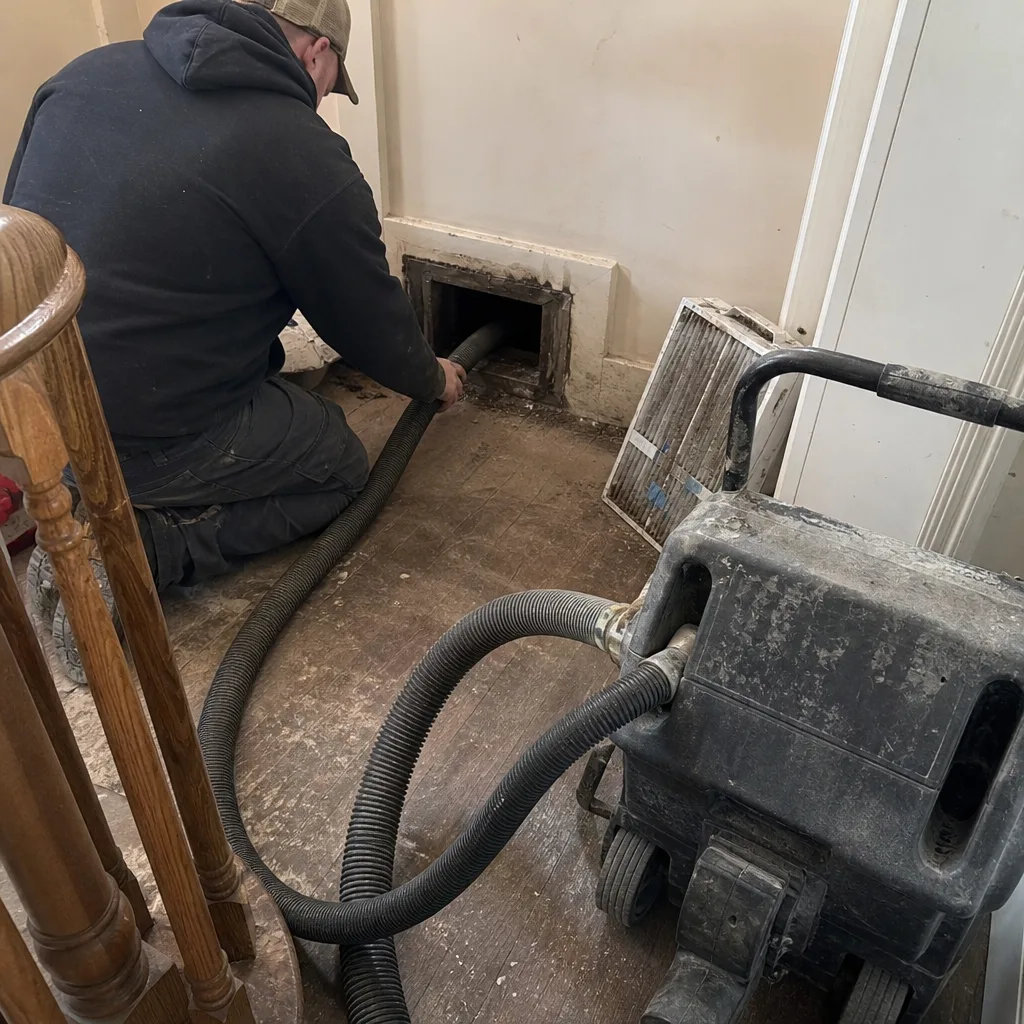 Before
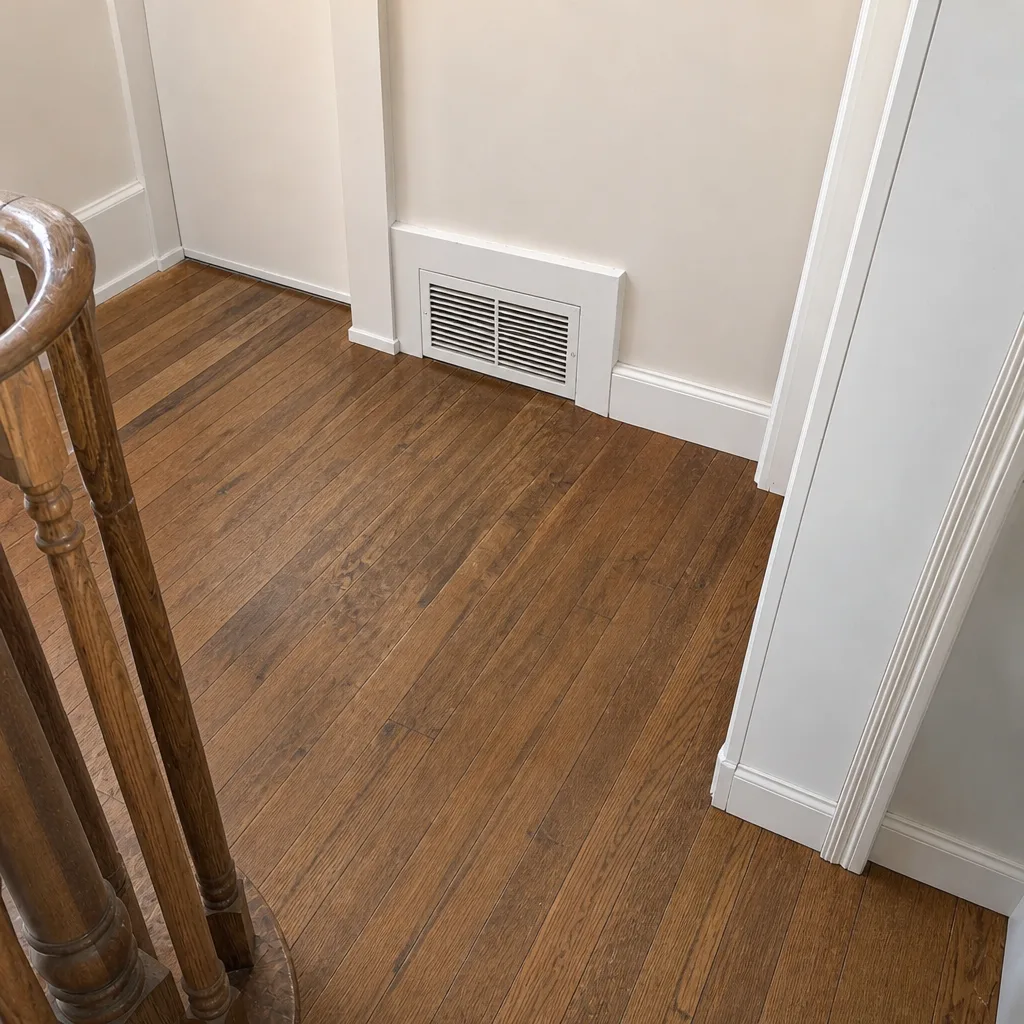 After
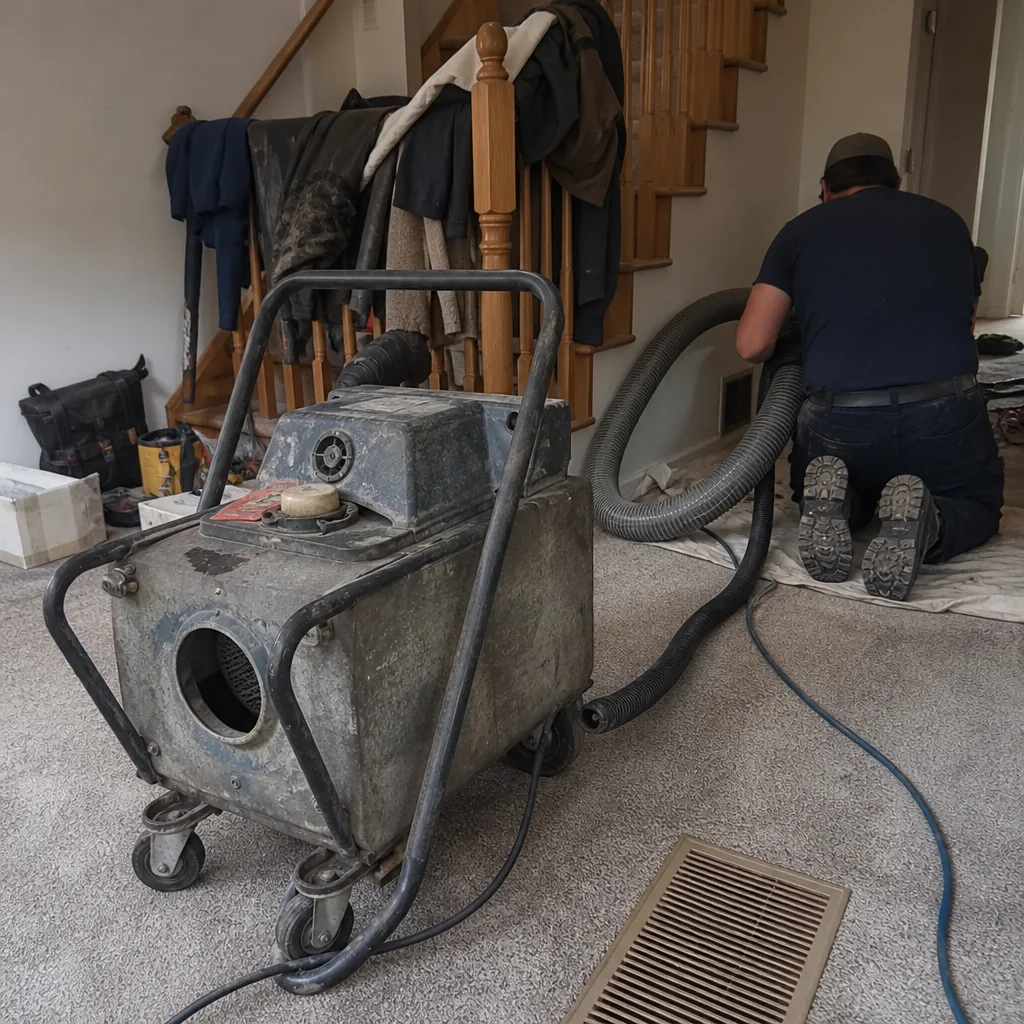 Before
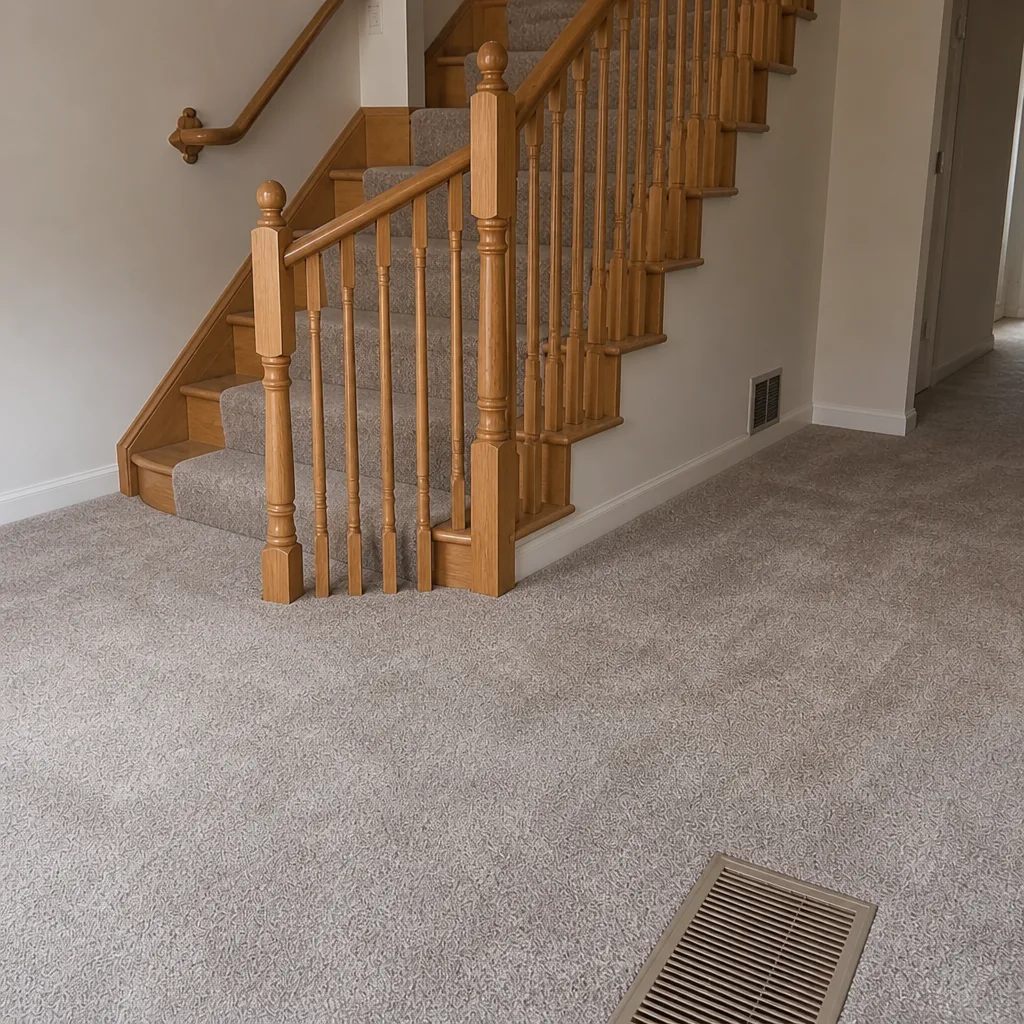 After
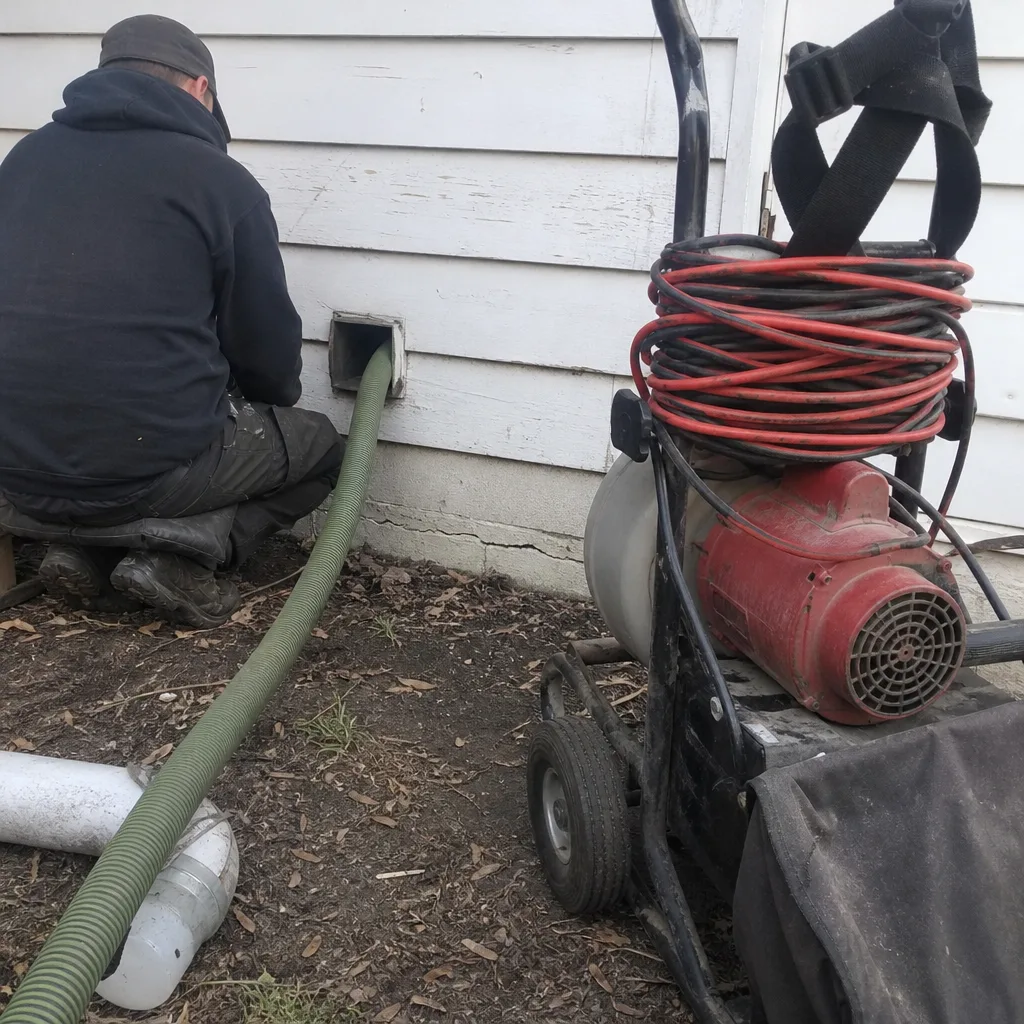 Before
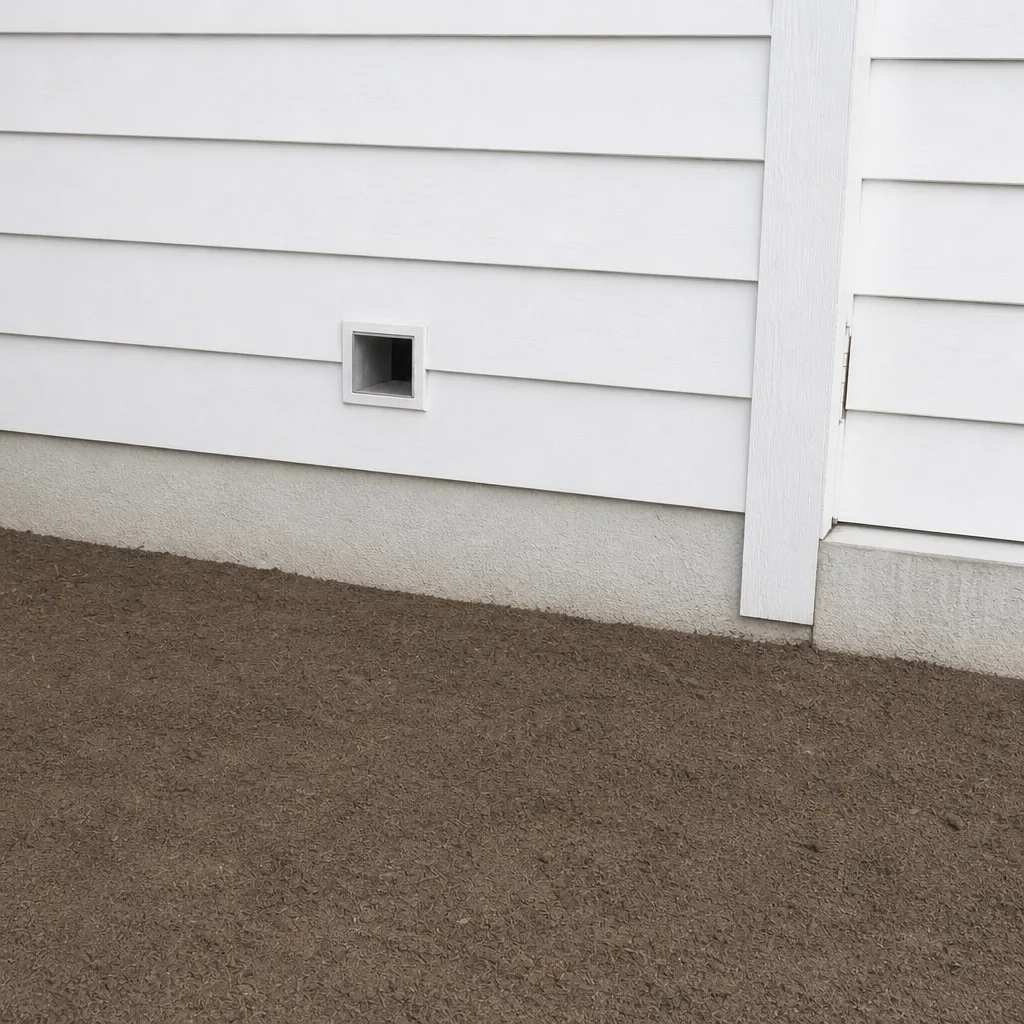 After
When to Call a Professional
Some duct concerns are clearly jobs for a professional rather than a weekend project. If you’ve just finished a renovation and there’s drywall dust through the system, that’s a professional job. If you smell something musty when the heat kicks on, or you see visible debris around the registers, that’s a professional job. If anyone in the household has respiratory sensitivities and you’re worried about what’s circulating, that’s when an inspection and a thorough cleaning make sense. If your ducts are old, disconnected, or damaged, it’s a repair job as well as a cleaning job, which is where a company with real repair capability matters. If you’ve never had the dryer vent cleaned, that’s a professional safety call.
Ambassador Air Duct Cleaning offers free estimates in St. Paul – call (888) 501-7655. We answer 24/7. Fast dispatch from 7am to 7pm, Sunday through Friday.
Frequently Asked Questions
You should expect a whole-system price rather than a per-vent number, and the figure depends on square footage, vent count, duct material, and whether repairs are needed. Our estimate is free and the written quote is set per job, not per vent, before work starts. Call (888) 501-7655 for an exact quote – estimates are free.
Because they aren’t the same job. A low quote usually reflects a customer-grade vacuum, a quick pass at each register, and a budget that’s designed to be topped up with upsells on-site. A professional job uses equipment like a Rotobrush contact-cleaning system and takes the time to actually remove source debris. The honest way to compare is scope, not price.
Ask for before-and-after photos of your own ducts, confirm where the crew opened your system, and check that your filter ends the visit cleaner than it started. Legitimate contractors document their work. If a company won’t show you proof, that’s the answer.
It depends on the home. Homes with pets, allergy concerns, recent renovation, or older ductwork in St. Paul generally benefit from more frequent attention than newer homes with clean systems. If you’ve never had a professional inspection, start there rather than with a schedule.
No. Sanitizing is a legitimate add-on when there’s an actual concern, not a routine requirement on every job. If a contractor presents it as mandatory before inspecting your ducts, treat that as an upsell signal, not a recommendation.
We repair ductwork, which is one of the reasons a homeowner with older St. Paul duct systems should ask this question of any contractor they’re evaluating. Cleaning around a disconnected or collapsed duct leaves the underlying problem in place. If the walkthrough identifies a structural problem, a contractor with repair capability can actually fix it.
The Bottom Line
Hiring a duct cleaning contractor in St. Paul comes down to three things: verify the equipment, verify the method, verify the repair capability. Ask the five equipment questions, request a whole-system written quote after a walkthrough, and expect before-and-after photos as a normal part of the job. NADCA membership is useful, but it’s one input, not a guarantee. The market’s core risk is a low quote that becomes a high invoice once the technician is in the house, and the defense is a contractor whose price is agreed in writing before work starts. That’s the standard to hold anyone to, including us.
If you’d like a free walkthrough and estimate for a home in St. Paul, we’re ready to talk. Call (888) 501-7655. We answer 24/7. Fast dispatch from 7am to 7pm, Sunday through Friday. Ambassador Air Duct Cleaning brings professional-grade equipment and real repair capability to every job, and we’re glad to answer any question that helps you make a smart decision, even if that decision isn’t us.
Written by the team at Ambassador Air Duct Cleaning.