
Last updated November 15, 2026
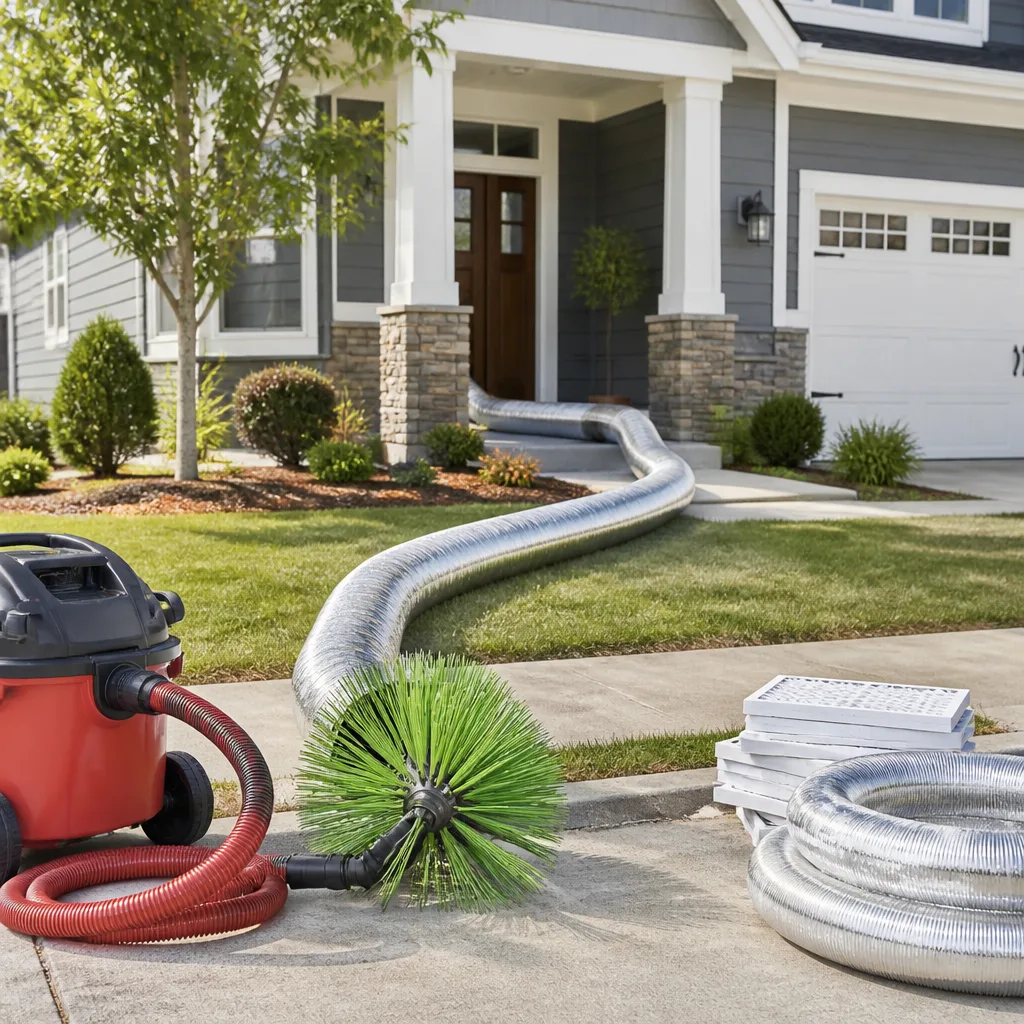 Whole-home duct cleaning
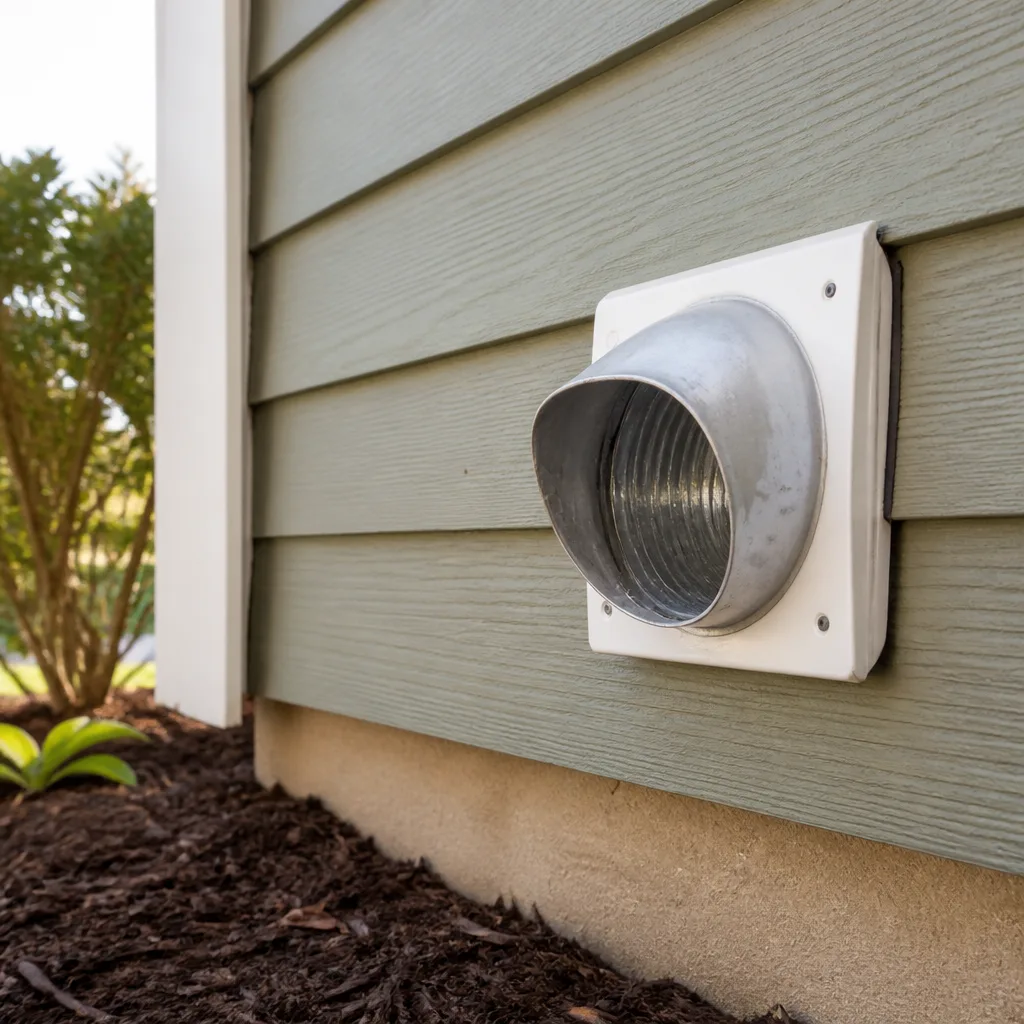 Dryer vent cleaning
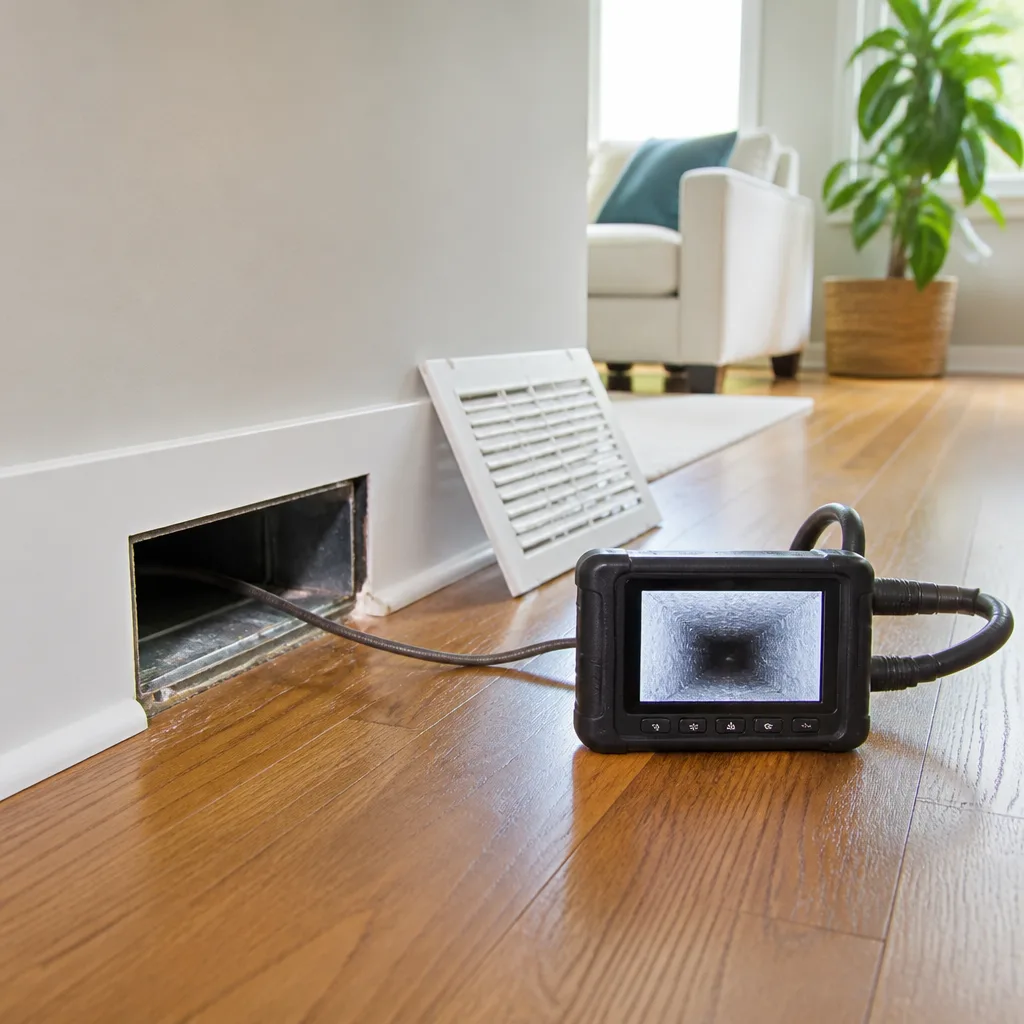 Camera inspection
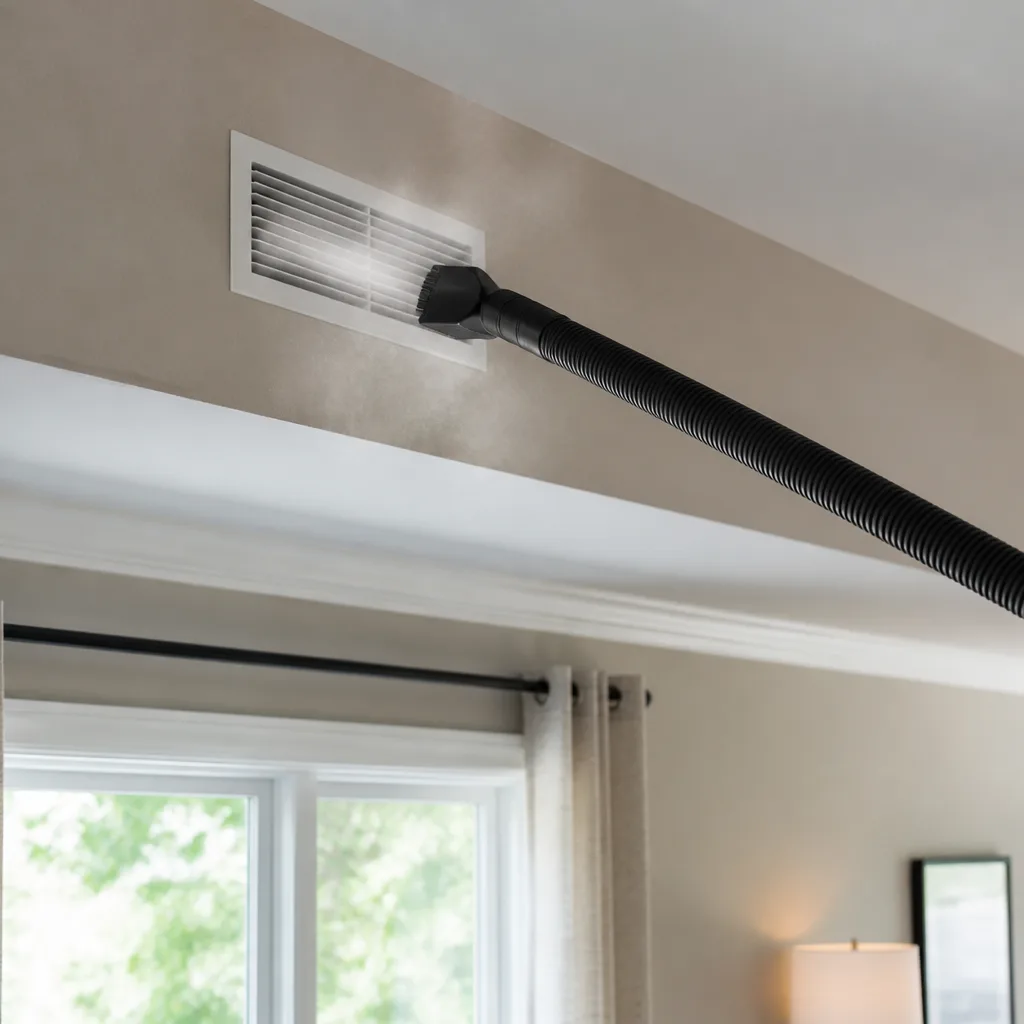 Sanitizing & deodorizing
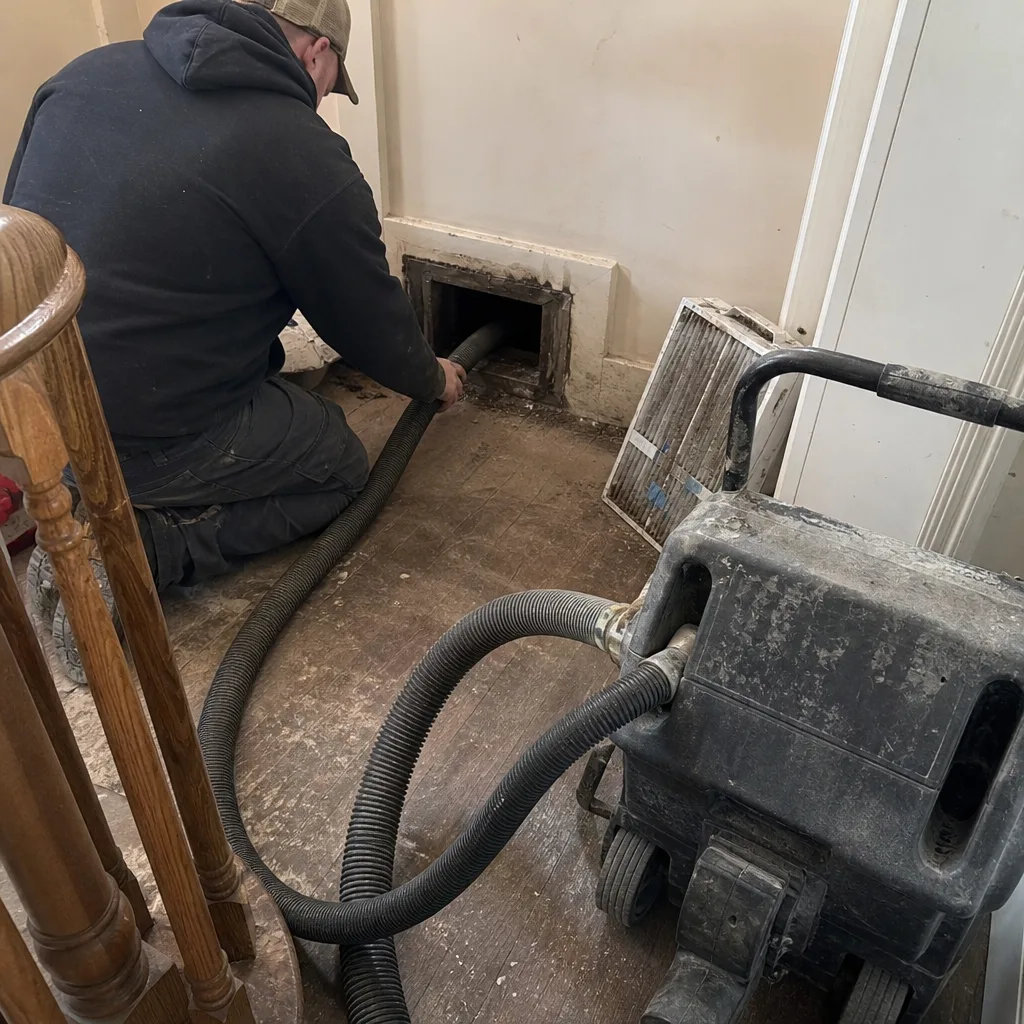
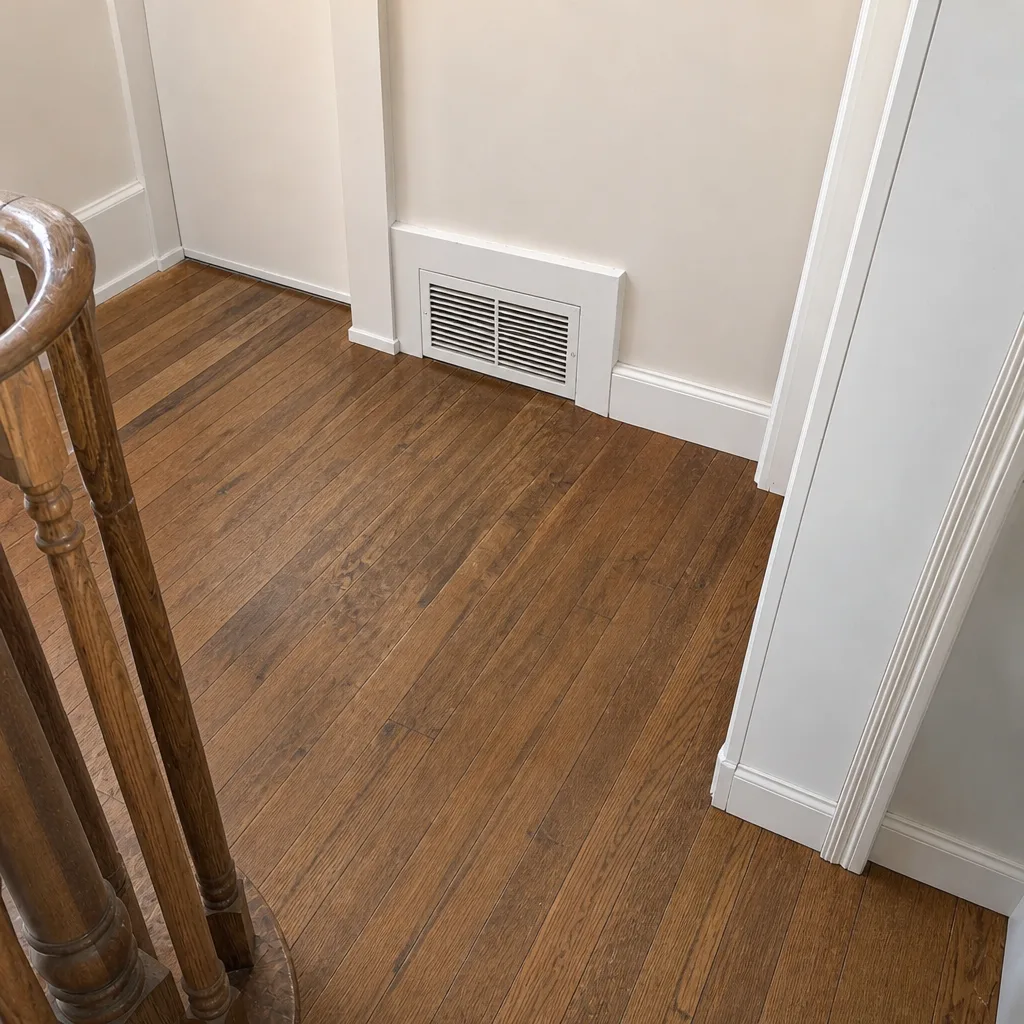
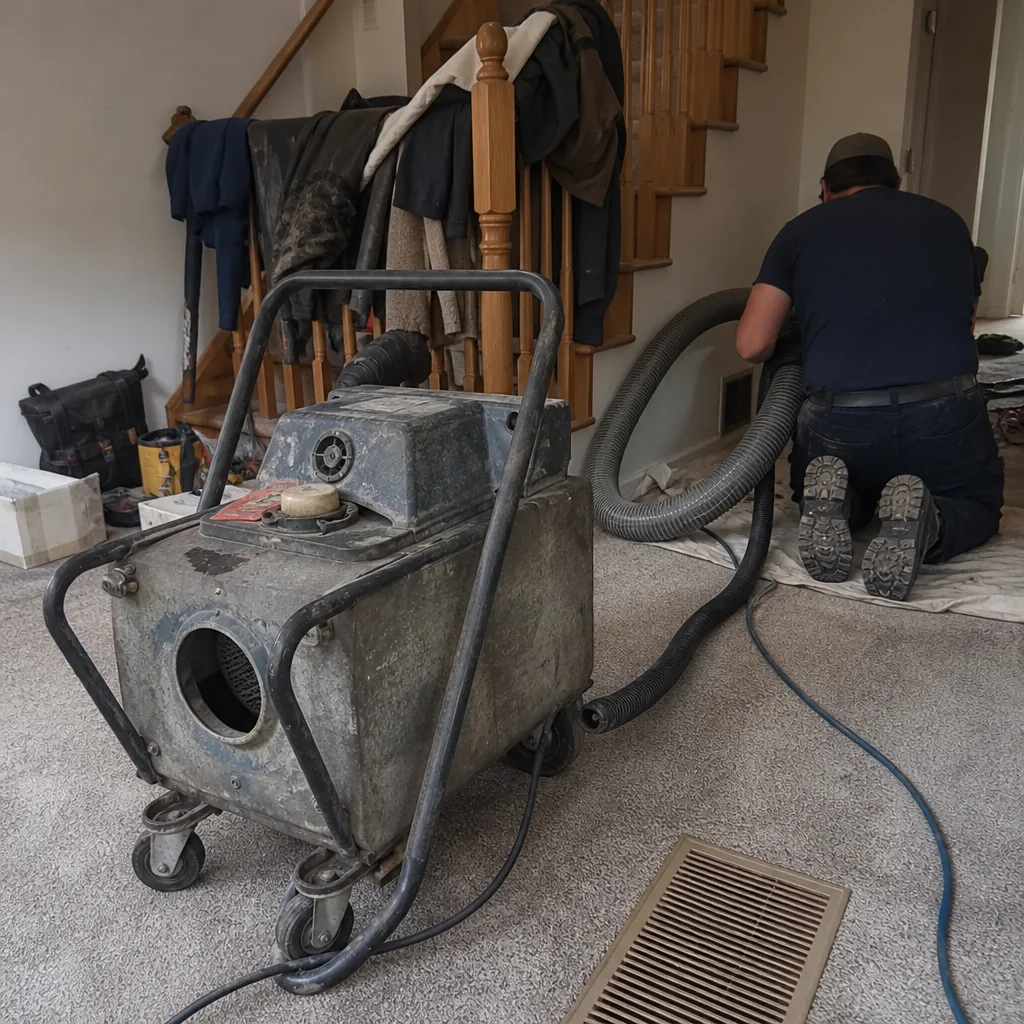
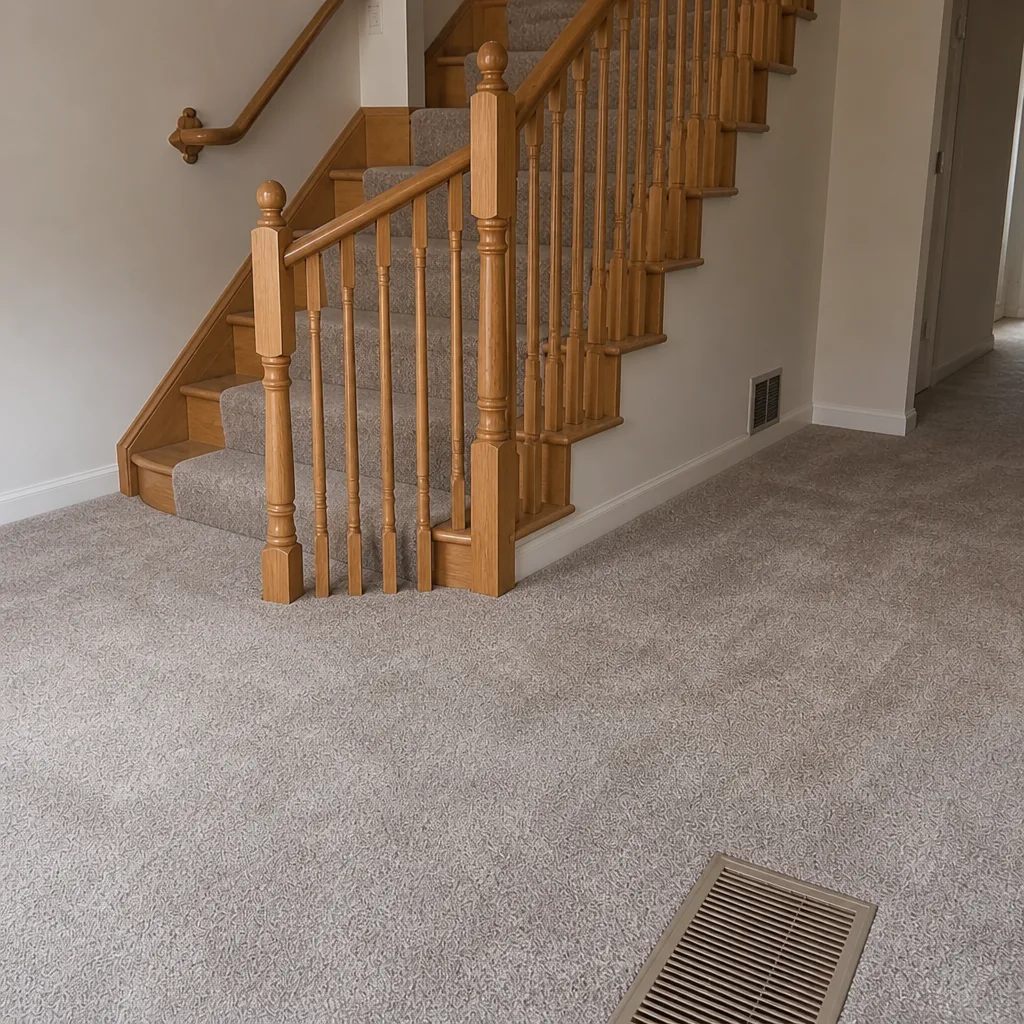
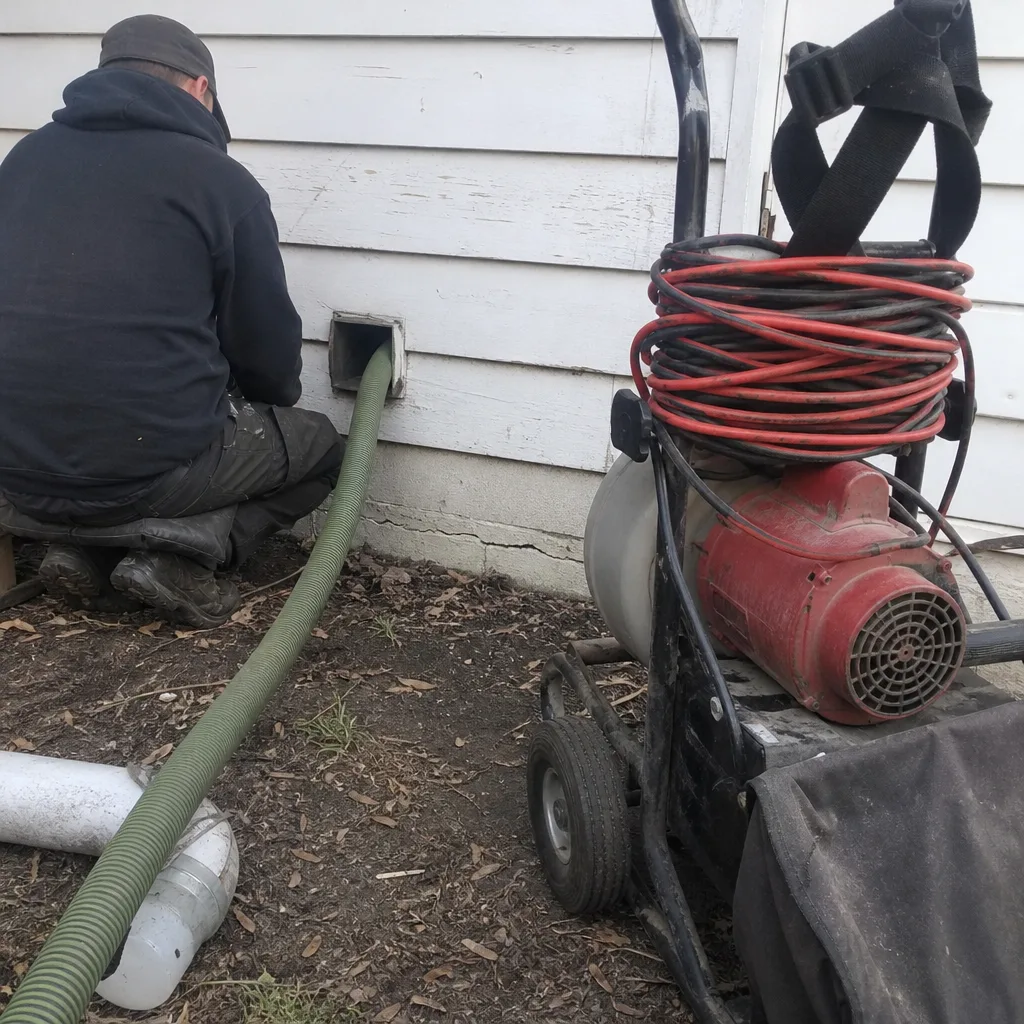
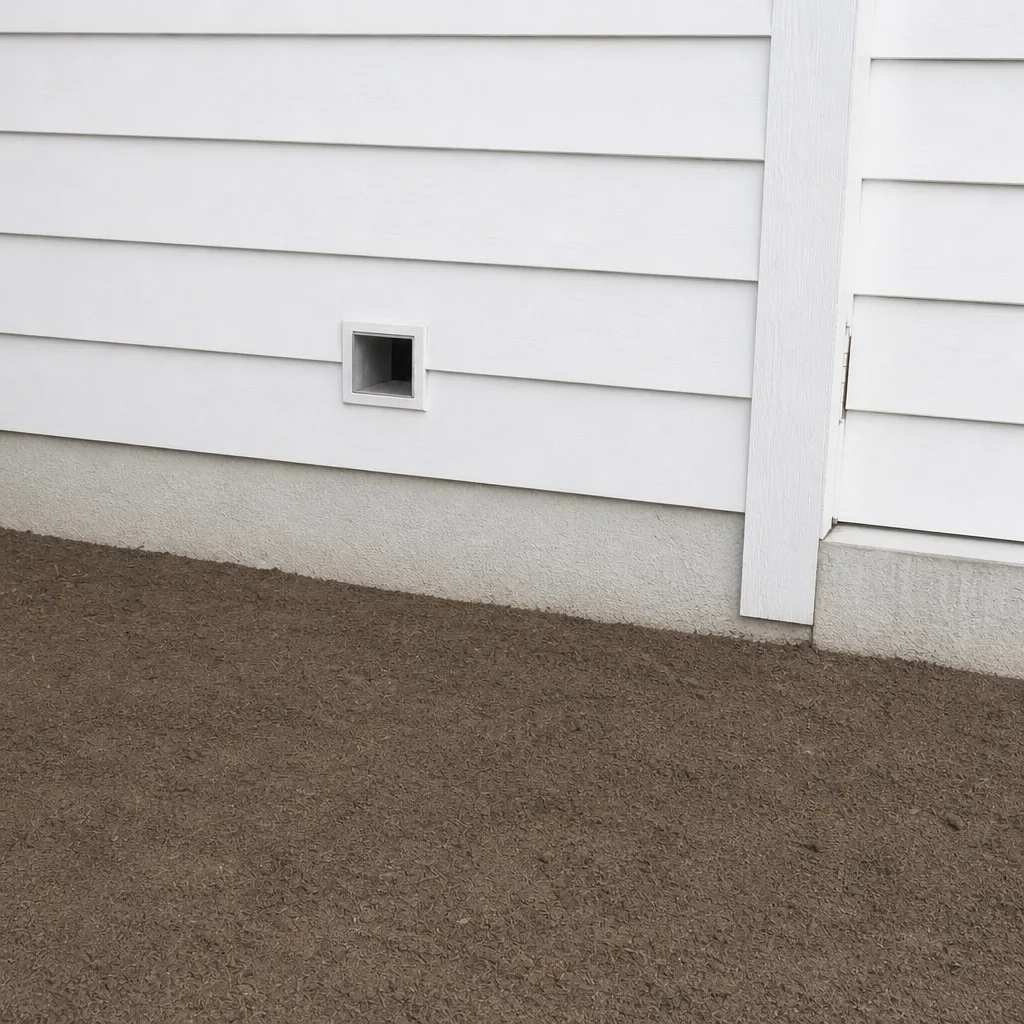
Whole-system duct and dryer vent check with before-and-after photos - you see exactly what came out of your vents
That "$99 whole-house special" is a bait ad - the real number appears once they are in your hallway, or the "clean" is a shop-vac at the register. We photograph the inside of your ducts before and after instead.
Air Duct Cleaning Maintenance Schedule: What to Do and When
The EPA does not recommend a specific cleaning frequency for residential ductwork, and that is not an oversight. Contamination rates swing so widely from one household to the next that a fixed “every three to five years” rule is either far too often or years too late, depending on who’s living in the house. A single retiree with a well-sealed home and monthly filter changes runs a different system than a family with two dogs, a recent kitchen remodel, and a filter they remember twice a year. This guide replaces the blanket advice with a condition-based schedule built around how your household actually lives. We’ll cover baseline intervals, what accelerates them, seasonal checkpoints you can run yourself, and the specific triggers that override the calendar entirely. We’ve worked on duct systems across St. Paul long enough to know that the schedule should fit the home, not the other way around.
Quick Answer
Most St. Paul homes with no pets, no smokers, and no recent renovation should plan on professional duct cleaning roughly every 5 to 7 years, while homes with pets, allergy sufferers, older ductwork, or ongoing renovation activity need it closer to every 3 to 4 years. Homes running high-efficiency filtration (MERV-13) changed on schedule and showing no visible dust or odor at the registers can often stretch cleanings longer. Your actual interval depends on what you observe at the registers at your seasonal checkpoints, not on a calendar printed by a cleaning company.
Styles & brands we work with
- Whole-home duct cleaning
- Dryer vent cleaning
- Camera inspection
- Sanitizing & deodorizing
Table of Contents
- Why a Fixed Cleaning Schedule Fails Most Homeowners
- The Baseline Schedule: What “Normal” Actually Means
- The Accelerated Schedule: When Household Variables Change the Interval
- What Filtration Has to Do With Cleaning Frequency
- Seasonal Checkpoints You Can Run Yourself in St. Paul
- Tracking Duct Cleaning History Alongside Other HVAC Milestones
- The Triggers That Override Any Schedule
- Common Mistakes to Avoid
- When to Call a Professional
- Frequently Asked Questions
- The Bottom Line
Why a Fixed Cleaning Schedule Fails Most Homeowners
Search for “how often should air ducts be cleaned” and you’ll find a stack of answers, most of which land on the same vague range: every three to five years. The range itself isn’t wrong. The problem is what it assumes. It assumes every household loads the system with the same amount of dust, pet dander, cooking residue, and construction debris. It assumes every home has the same filter discipline and the same amount of duct leakage. None of that is true, and the consequences run both directions.
Clean too early and you’ve spent money on a system that didn’t need the work yet. Clean too late and the buildup compounds; dust coats the blower wheel, restricts airflow, and eventually the system starts running harder to move the same air. In St. Paul, where the heating season stretches for months and the system runs nearly continuously from late fall through early spring, that compounding effect is real. A duct system that sees 4,000 hours of runtime over a single winter is not in the same condition as one in a milder climate.
There’s also a housing factor. St. Paul has a large stock of older homes with original ductwork or additions where the duct runs were extended years ago. Those systems often have more seams, more leakage, and more places for debris to collect than a newer, tighter system. The same calendar interval that works for a well-sealed newer build may be two years too long for a house with flexible duct from a 1990s addition feeding a home office.
The honest answer is that duct cleaning frequency is a variable, not a constant. What follows is a schedule built around the variables that actually drive contamination rates: pets, occupancy, filtration habits, renovation activity, and the age and condition of the duct system itself. We’ve seen the range firsthand. Our technicians have up to 10 years of experience, and the two constants we’ve learned are that every home loads its ducts differently and that homeowners do best with a written record of what was done and when.
The Baseline Schedule: What “Normal” Actually Means
A baseline household, for planning purposes, has no pets, no smokers, no recent renovation work, a well-maintained filter, and no known allergy or respiratory concerns. If that describes your home in St. Paul, the schedule is simple.
- Every 5 to 7 years: full professional cleaning of the supply and return system
- Annually: a visual inspection of the registers and blower compartment, done as part of your regular HVAC tune-up or as a quick self-check
- Every 1 to 3 months: filter change, depending on the filter type and the season
- Any time the system is opened for major work: an inspection of the ductwork while it’s accessible
The upper end of that range, 7 years, assumes everything else is going right: tight duct seams, clean filter habits, and no unusual dust sources. The lower end, 5 years, assumes normal wear. If your seasonal checkpoints (covered below) show nothing concerning, there’s no reason to clean earlier than the interval suggests, regardless of what a postcard in the mail urges you to do.
One caveat specific to older St. Paul homes: if the ductwork is original to a house from the mid-20th century or earlier, plan for the lower end of the range even if the household is otherwise baseline. Old duct systems were often built with more joints, more transitions, and in some cases materials that shed over time. The system’s condition outweighs the household’s habits when the two conflict.
The Accelerated Schedule: When Household Variables Change the Interval
Each of the following variables accelerates the schedule on its own. Stack two or three together and the interval compresses further. Our rule of thumb: count the variables that apply, and move each one down one step from the baseline.
- One or more pets: move to every 3 to 4 years. Pet dander and hair load the return ducts faster than almost any other source, and shedding season in St. Paul pushes a year’s worth of fur through the system in weeks.
- Any smoker in the home: every 3 years, and consider the air quality impact on the whole system, not just the ducts.
- Recent renovation or remodeling: within 6 months of completion, regardless of when the last cleaning was. Drywall dust, sawdust, and construction debris enter the return system during the work and settle through the supply runs.
- Household allergies or respiratory concerns: every 3 years, with a filter upgrade if the system allows it.
- Older home with original ductwork: every 3 to 4 years, with an inspection in between.
- Low-MERV filtration (basic fiberglass filters): every 3 to 4 years, since the filter is catching less upstream.
- Wood-burning fireplace or stove in regular use: every 3 years; ash migrates through the return system more than most people expect.
Two variables stacked, say pets plus allergies, means every 2 to 3 years. Three or more and it’s worth having the system assessed annually and cleaning on whatever interval the inspection supports. The point isn’t to run a calculation; it’s to recognize that a household with multiple loading factors shouldn’t follow the same schedule as an empty-nest home with a single resident.
What Filtration Has to Do With Cleaning Frequency
Filtration is the single most controllable variable in this whole schedule, and most homeowners undervalue it. The filter is the only thing standing between the return air and the inside of your ductwork. When it’s working, it catches a meaningful share of the particulate before it reaches the blower and the supply trunk. When it’s clogged, dirty, or missing, everything downstream pays for it.
Here’s the counterintuitive part: a home running MERV-13 filters, changed on schedule, can often go longer between full cleanings than a home running cheap fiberglass filters changed irregularly. The higher-MERV filter catches more, and catches it consistently. That means less particulate reaches the blower wheel and the interior duct surfaces. But there’s a condition attached. The filter has to be the right MERV for the system’s airflow capacity, and it has to be changed before it loads to the point of restricting airflow. A MERV-13 filter run six months past its change date is worse than a cheap filter changed monthly, because the pressure drop chokes the system and the motor works harder to move the same volume of air.
Practically speaking:
- Basic 1-inch fiberglass filters: change monthly during heating and cooling season. Expect a shorter interval between professional cleanings.
- Pleated 1-inch filters (MERV 8 to 11): change every 1 to 3 months depending on dust load. Consider 1-month changes during heavy pollen or renovation periods.
- High-MERV filters (MERV 13 and up): change according to the manufacturer’s rating for your system, and confirm the system is rated for that MERV before installing. No filter is a substitute for periodic duct cleaning, but a good one extends the interval.
- Whole-home media cabinets (Aprilaire-style 4 to 5 inch filters): typically changed every 6 to 12 months. These are often paired with whole-home air quality components, and Aprilaire filters we install are sized for the cabinet that holds them.
If you’re upgrading filtration to lengthen the cleaning interval, do it deliberately. Confirm the return duct and blower can handle the pressure drop. In St. Paul homes where the HVAC system was sized for a 1-inch filter slot, dropping in a high-MERV filter of the same thickness can strain the system rather than protect it. The right answer is often a media cabinet sized to the home, and when that’s installed correctly, the duct cleaning interval can comfortably stretch to the upper end of the baseline range.
Seasonal Checkpoints You Can Run Yourself in St. Paul
Duct condition isn’t static. It changes with the season, the household, and whatever’s going on in the home at the time. Two checkpoints a year catch most problems before they become a reason to clean early. Neither involves opening the ductwork or handling anything dangerous, and both take ten to fifteen minutes.
For any inspection that requires opening the blower compartment or the electrical side of the system, stop and call a professional. High-voltage components inside an air handler are not a do-it-yourself area, and we say that to every homeowner we advise.
Checkpoint 1: Before Heating Season (Late September through October)
- Turn the system off. Give it a few minutes before you touch anything.
- Inspect each supply register with a flashlight. Look for visible dust buildup on the faces of the register and the blades of the louver. Thin, even dust is normal. Caked or matted dust is a flag.
- Use your nose. Turn the fan on low and smell the supply air at two or three registers on different sides of the house. Musty or dusty smells that weren’t there last season are worth investigating.
- Look at the return register and the filter. If the filter looks loaded, change it. If the return grille is visibly coated, note it for cleaning.
- Watch the supply air for a few minutes. Dust visibly puffing out of a register on a clean filter points to a system that needs professional attention.
Checkpoint 2: After Spring Pollen Peak (Late May through Early June)
- Check the filter again. The spring pollen window in St. Paul is heavy, and a filter that was clean in March may be loaded by Memorial Day.
- Look at the registers in bedrooms and any room with a pet. Pet hair at the register face is normal; pet hair inside the register throat is a sign it’s reaching the ductwork.
- Note any recent changes: new carpet, fresh paint, a pet added to the household, or an addition. Each is a reason to move the next cleaning up.
- Check for moisture. Any dampness near a register, especially in a basement or along an exterior wall, is worth a professional look. Seal the register off and call before running the system.
We tell every homeowner the same thing: write down what you see. A two-line note on the filter size, the date, and the register condition is what turns a schedule from a guess into a plan. An air duct cleaning service is far easier to schedule and quote accurately when the homeowner can describe the system and its history.
Tracking Duct Cleaning History Alongside Other HVAC Milestones
Duct cleaning doesn’t happen in a vacuum. It sits inside a web of HVAC service events: filter changes, coil cleaning, blower cleaning, humidifier maintenance, and system replacement. If you only track duct cleaning, you’ll miss the interactions between them. The system works best when touched as a whole. A quick logbook is the cheapest tool you’ll ever own for managing it.
- Write down the date of your last professional duct cleaning and the company that performed it. Keep before-and-after photos if they were provided; many homeowners lose these and later wish they hadn’t.
- Track filter changes separately. A simple note on the filter size and the date of each change is enough. If you use different MERV ratings by season, log that too.
- Log coil cleaning when it’s done, typically as part of an HVAC tune-up or when cooling performance drops. Coil cleaning and duct cleaning are complementary: a dirty coil and a dirty duct system tend to degrade together.
- Log humidifier maintenance. Aprilaire-style whole-home humidifiers are typically serviced once a year, and the water panel change dates tell you when the heating season starts and ends for that system. A Guardsman-protected system is one treated with an eye toward keeping the components clean and the surfaces protected between services.
- Log any air-handler service, especially blower cleaning. If the blower wheel is pulled for cleaning, that’s a natural inspection point for the duct system.
- Log any HVAC replacement. A new system deserves a fresh look at the ductwork before the first heating season.
A single simple logbook, paper or digital, covers all six. If you’d rather manage it with a professional, our Ambassador Air Duct Cleaning team provides before-and-after photos on every job, so the record lives with you and not only with us. Tracking matters most in St. Paul homes where the system runs long and hard through the winter: a 2-line note today is what tells you six years from now whether the interval is working.
The Triggers That Override Any Schedule
Some events reset the clock entirely. If any of the following apply to your home, ignore the schedule and have the system inspected.
- Flood or water intrusion: any water that reached the ductwork, including a basement flood that rose above the duct boots, means immediate inspection. Moisture in a duct system creates a growth environment fast, and running the system distributes what grows there.
- Rodent evidence: droppings in the return or at the register, gnawed duct insulation, or scratching sounds in the supply trunk. This is more than a cleaning issue; it’s a contamination and structural repair issue.
- Visible mold at a register: any black, green, or gray growth on the register face, the duct interior, or the boot. Do not run the system before it’s assessed.
- HVAC system replacement: a new furnace or air handler moves more air at different pressures than the old one, and the existing ductwork gets loaded differently. Have the ducts inspected before the new system goes into regular service.
- Post-renovation: covered above, but worth flagging again. Drywall dust and construction debris must be cleaned out, not just filtered.
- Unexplained air quality or allergy symptoms: if symptoms are worse indoors than outdoors, and there is no other explanation, the duct system is a reasonable next question.
These are not situations where a wait-and-see approach makes sense. Some of them, particularly flood recovery and mold, call for containment and controlled removal rather than routine cleaning. We carry Abatement Technologies equipment specifically because some indoor air quality scenarios require negative-pressure containment and contamination handling that ordinary cleaning equipment cannot safely address. If you’re facing one of these triggers, call before anyone runs the system. Call dryer vent cleaning alongside the assessment if the laundry vent is anywhere near the affected area; the two systems often share a mechanical space.
Common Mistakes to Avoid
- Following a cleaning-company postcard instead of a schedule. Marketing postcards lean toward urgency. The schedule should be driven by what you observe at the registers and in your logbook, not a mailer that says “it’s been over a year.”
- Assuming a cheap fiberglass filter is doing enough. It’s the lightest filter available and catches the least. If you’re not changing it monthly, upgrade the filter before adding cleanings to the calendar.
- Skipping inspection after a renovation. Drywall dust finds its way into returns within hours, and it settles permanently in the supply trunk once the system runs. Have the ducts inspected within a month of heavy work ending.
- Waiting for a visible problem. By the time dust is puffing out of a register, the ductwork has been loading for years. The seasonal checkpoints catch problems earlier, and earlier is cheaper.
- Cleaning the ducts but skipping the blower. The blower wheel is where a lot of the dust settles, and a cleaning that leaves it alone is only half done. Ask whether the blower is included in the quote.
- Trusting a truck-mounted shop vacuum marketed as professional equipment. Ask what equipment the team uses. Rotobrush contact-cleaning systems and Nikro equipment are standard tools for commercial contractors; a consumer vacuum in a pickup truck is not the same job.
- Ignoring the dryer vent while you’re scheduling duct cleaning. The two systems are separate, but they’re both on the same maintenance calendar. A clogged dryer vent is a fire-safety issue, not just a comfort one, and it’s worth checking at the same time.
When to Call a Professional
If any of the following is true, it’s time for a professional assessment: visible dust or debris in the supply registers after a filter change, a musty or dusty smell in the supply air, recent renovation or flooding, apparent rodent activity in the return, a new HVAC system going into an older duct network, or a home that has never had its ducts cleaned and shows years of buildup. Any single one warrants a look. Structural problems in the duct system, including leaks, disconnected joints, crushed flexible runs, and missing insulation, are the kind of thing a full inspection catches and a routine cleaning might not. That’s why we do both: one of the few residential services that repairs ductwork rather than cleaning around what’s broken.
Ambassador Air Duct Cleaning offers free estimates in St. Paul. Call (888) 501-7655. We answer 24/7. Fast dispatch from 7am to 7pm, Sunday through Friday. The written estimate sets the final price and confirms the scope in advance, so there’s no surprise on the invoice once the technician is on site. For homes in St. Paul and the surrounding neighborhoods, the seasonal checkpoints and the logbook do most of the work, and we handle the rest.
Frequently Asked Questions
Most St. Paul homes with no pets, no smokers, and no recent renovation should plan on professional cleaning every 5 to 7 years. Homes with pets, allergies, older ductwork, or recent renovation should plan on every 3 to 4 years. Stacked variables compress the interval further: a household with two dogs and a smoker should be closer to every 2 to 3 years. Call (888) 501-7655 for a free estimate that reflects your specific home.
No. The EPA does not recommend a specific frequency for residential duct cleaning, on the grounds that contamination rates vary too widely by household to support a single schedule. That’s why a condition-based approach, driven by pets, renovation activity, filtration habits, and what the seasonal checkpoints reveal, is more useful than a calendar. A home that runs MERV-13 filtration on a disciplined change cycle genuinely can go longer between cleanings than a home running cheap filters irregularly. Call (888) 501-7655 for an estimate that fits your system.
Often, yes, provided the filter is rated for the system and changed on schedule. A MERV-13 filter in a system sized for it catches more particulate and keeps it out of the ductwork. The condition matters: an overloaded high-MERV filter restricts airflow and strains the blower, which is worse than a cheap filter changed more often. If you want to use filtration to lengthen the cleaning interval, confirm the system’s airflow capacity first, and consider a media cabinet sized for the home. Call (888) 501-7655 for a free estimate and a filter recommendation matched to the system.
Cheap quotes usually reflect cheaper equipment, and the gap shows up in what the team can actually do. A truck-mounted shop vacuum marketed as “professional” looks similar to a commercial-grade contact-cleaning system in a photo but performs very differently, especially on caked dust along the duct walls. A quote that doesn’t include blower cleaning, before-and-after photos, or duct repair capability is often a partial job. Ask what equipment the team uses, whether the blower is included, and whether structural repair is available. Call (888) 501-7655 for a free estimate and a written scope before any work begins.
Ask for before-and-after photos of your own ductwork, not stock images, and insist that the scope is spelled out in the written estimate before work starts. Photos taken through a register or through the duct access tell you more about what changed than a verbal summary. A written scope and photo documentation also protect both sides if concerns come up later. Call (888) 501-7655 for a free estimate and a written scope.
Yes, within 6 months of completion and ideally sooner. Drywall dust, sawdust, and construction debris enter the return system during the work and settle through the supply trunk once the system runs. Filter changes won’t pull that debris back out, and running the system without cleaning distributes it through the house. If the renovation involved water damage or visible mold, treat it as an immediate inspection rather than a scheduled cleaning. Call (888) 501-7655 for a free estimate; estimates are free. If the laundry area was affected, we can assess dryer vent cleaning at the same visit.
The Bottom Line
Duct cleaning frequency is a household variable, not a calendar constant. Homes without pets, smokers, or renovation activity should plan for professional cleaning every 5 to 7 years; homes with any of those loading factors should plan for every 3 to 4 years, and stacked factors compress the interval further. Filtration matters as much as cleaning, provided the filter is rated for the system and changed on schedule. Two checkpoints a year, one before heating season and one after spring pollen, catch most problems before they become reasons to clean early. The triggers that override everything else are flood, rodent evidence, visible mold, and HVAC replacement. A simple logbook of cleanings, filter changes, and related HVAC services turns the schedule from a guess into a plan.
We do this work in St. Paul with professional-grade Rotobrush and Nikro equipment, and we repair what other services only clean around. Our technicians have up to 10 years of experience, and our equipment stack, including Abatement Technologies for jobs that need containment, is what lets us handle the full range from routine cleaning to contamination recovery. Call (888) 501-7655 for a free estimate. We answer 24/7. Fast dispatch from 7am to 7pm, Sunday through Friday.
Written by the team at Ambassador Air Duct Cleaning.
See the difference
 Before
 After
 Before
 After
 Before
 After