
Last updated November 15, 2026
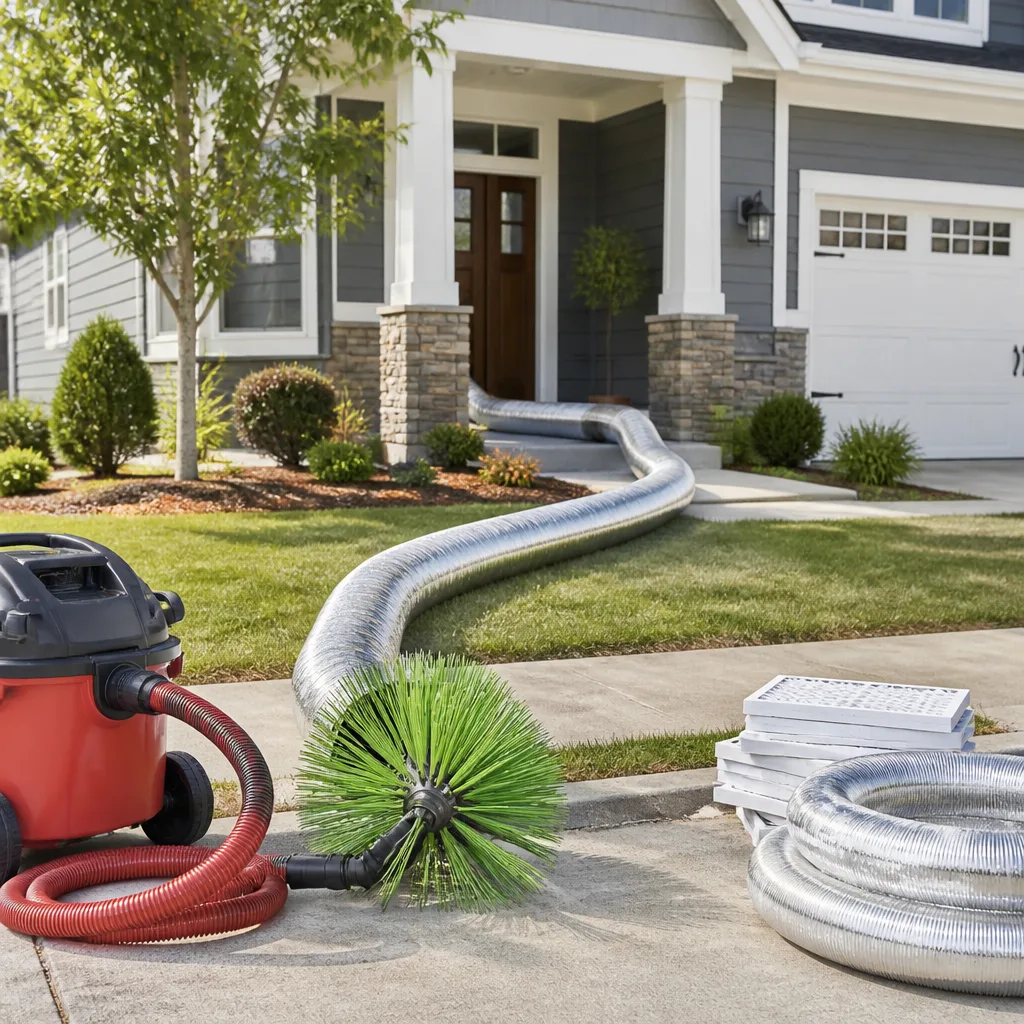 Whole-home duct cleaning
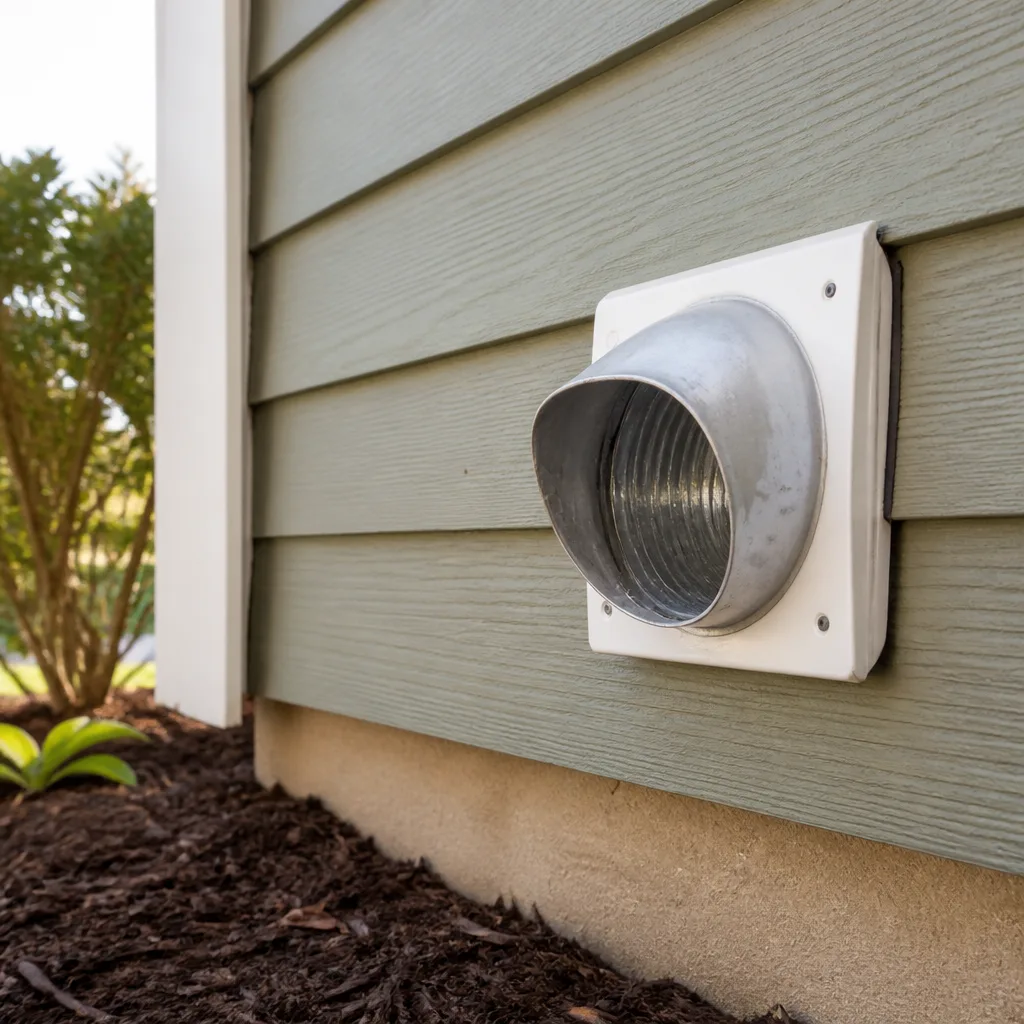 Dryer vent cleaning
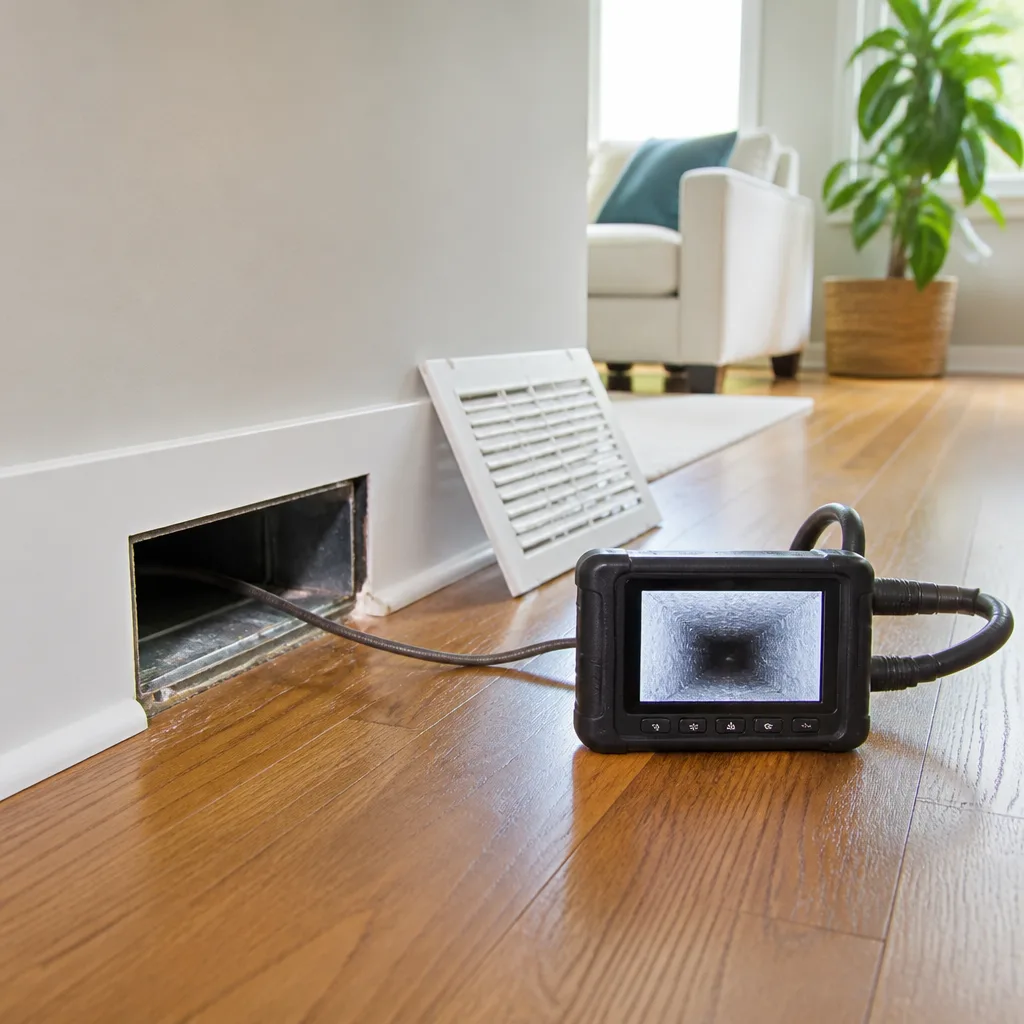 Camera inspection
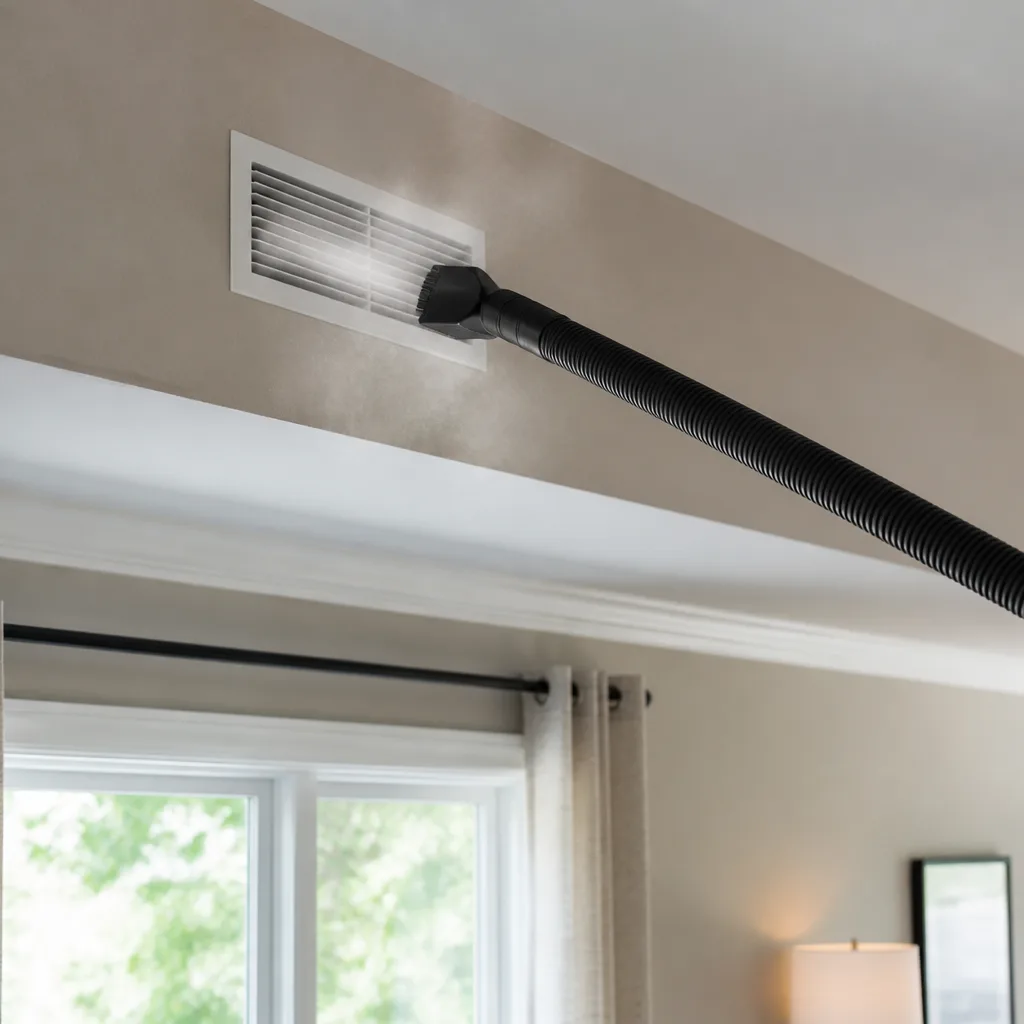 Sanitizing & deodorizing
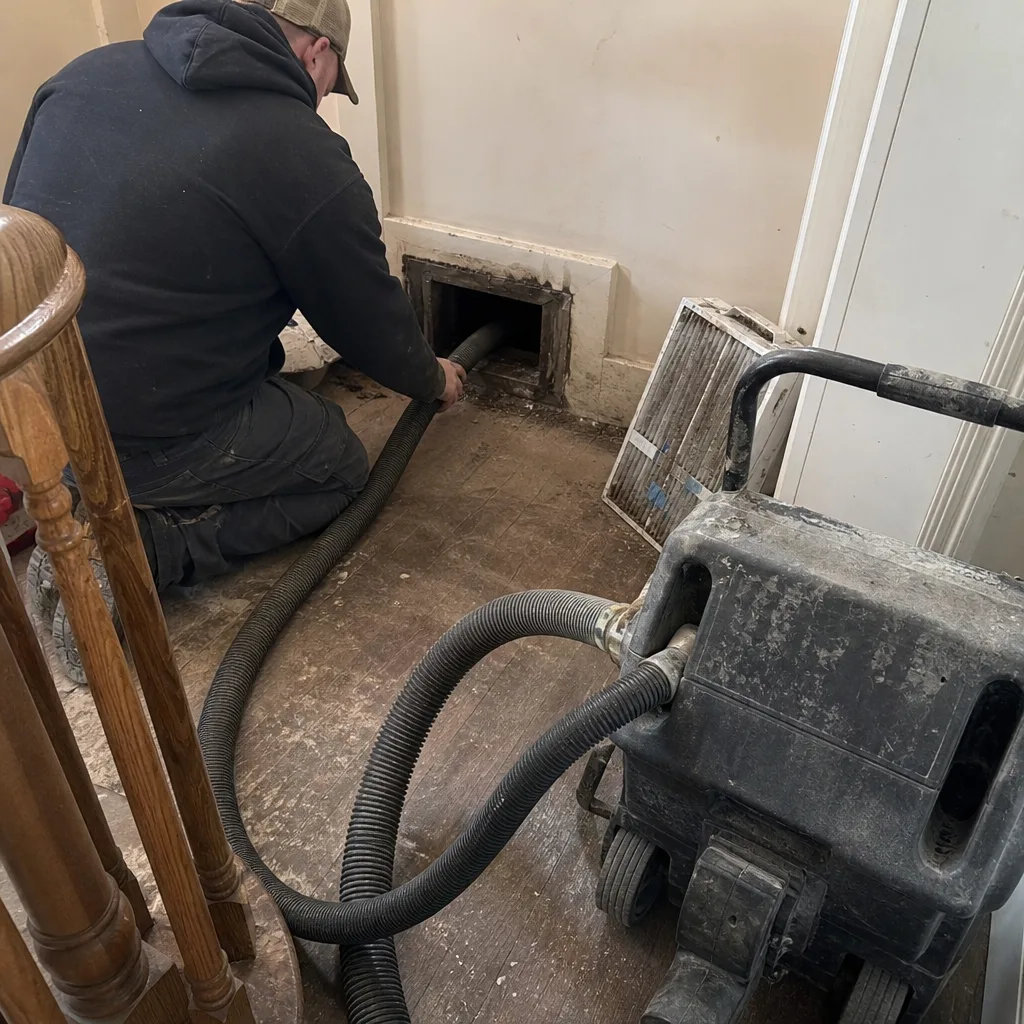
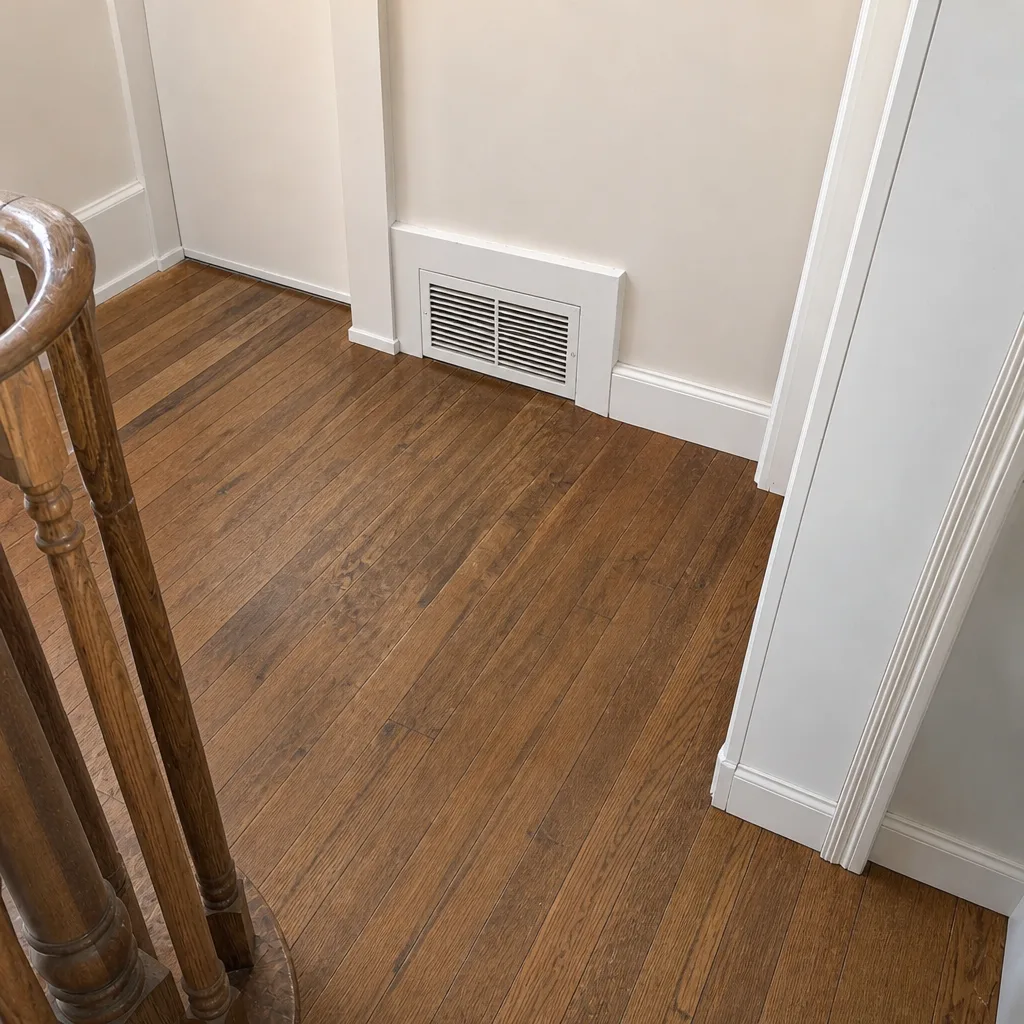
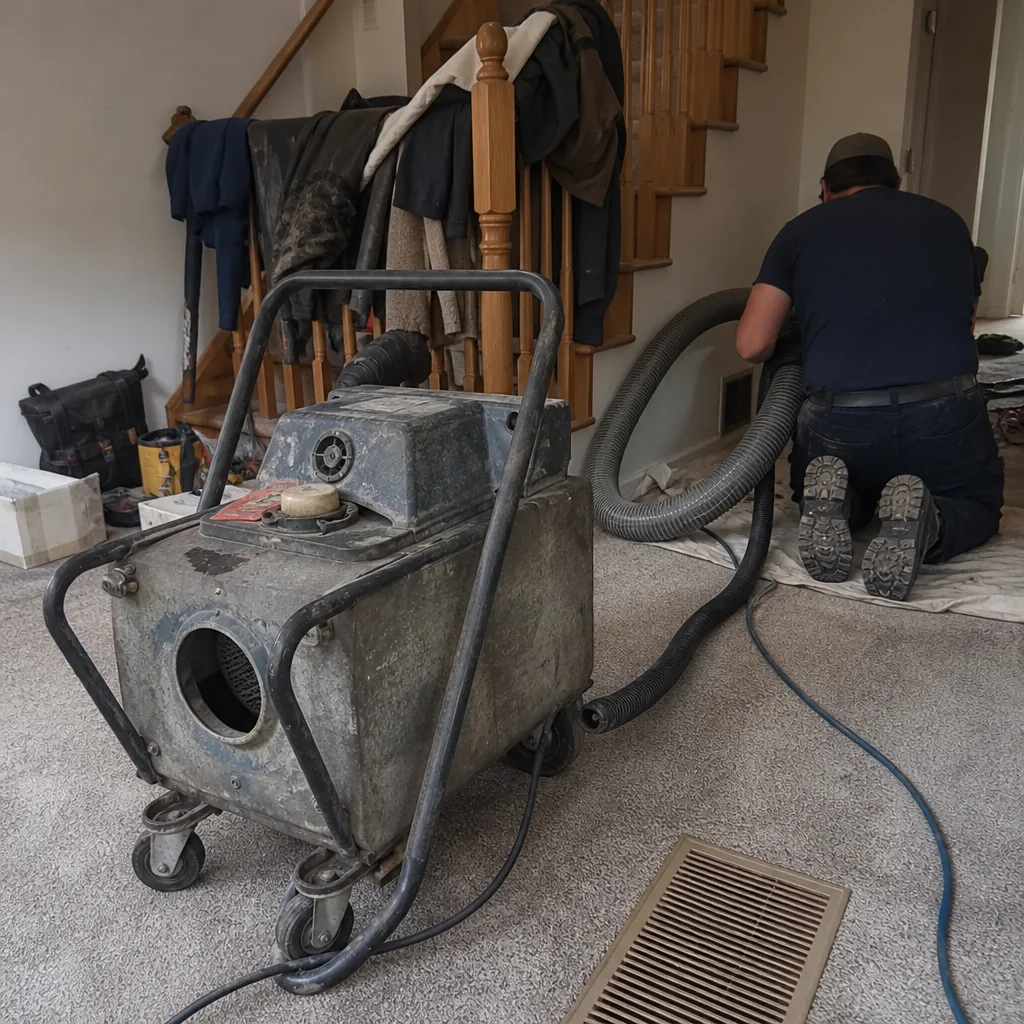
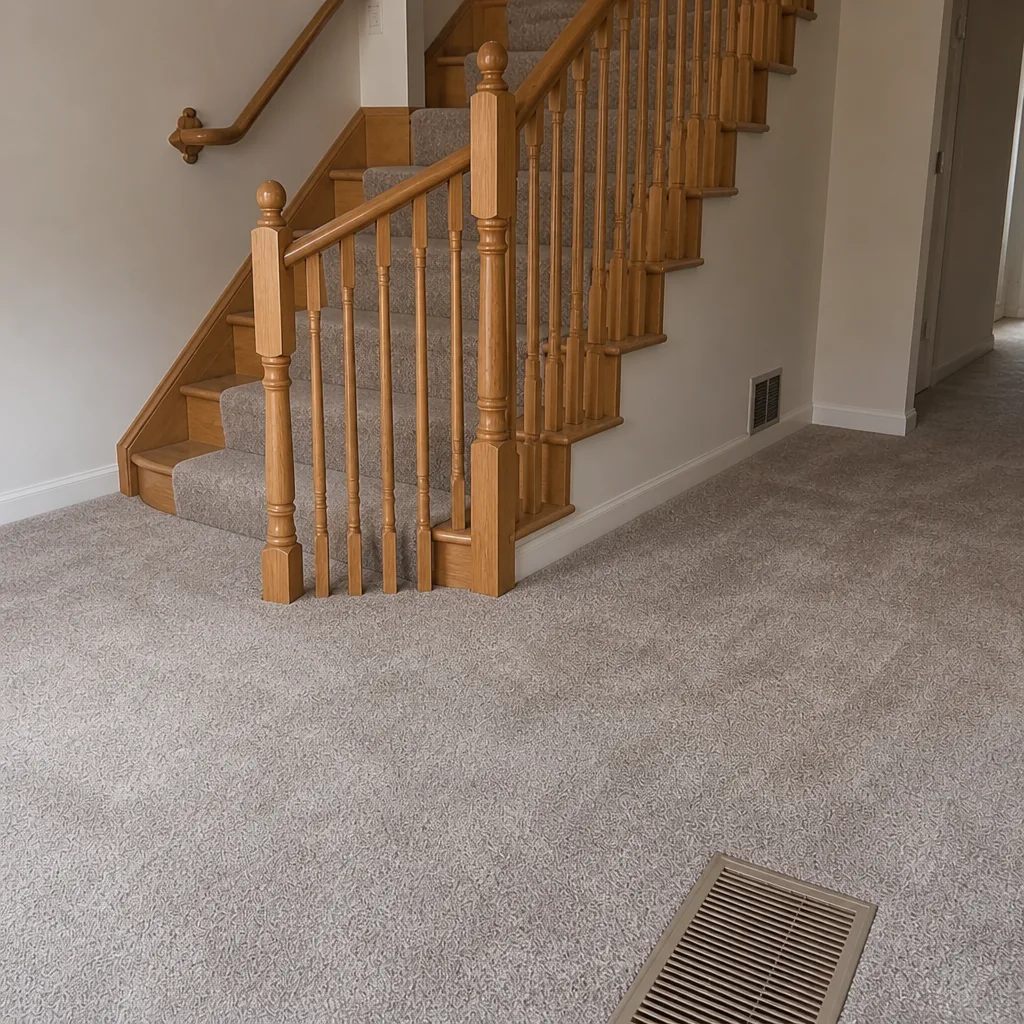
Whole-system duct and dryer vent check with before-and-after photos - you see exactly what came out of your vents
That "$99 whole-house special" is a bait ad - the real number appears once they are in your hallway, or the "clean" is a shop-vac at the register. We photograph the inside of your ducts before and after instead.
Air Duct Cleaning Warning Signs: A St. Paul Homeowner’s Reference Guide
Dust on your supply registers does not automatically mean your ducts need cleaning. It often means your filter is bypassing its frame, your return duct is undersized for the blower, or your blower speed is set too high and is stirring settled dust back into the airstream. Misreading that one sign is how St. Paul homeowners end up paying for a cleaning that never addresses the actual problem. This guide teaches you to read the signals your HVAC system is already sending: what different kinds of register debris mean, how to tell a contaminated-duct smell from a drain pan or coil smell, how to test whether poor airflow is a duct issue or an equipment issue, and which warning signs are genuinely urgent versus which allow a planned response. St. Paul’s older housing stock adds its own wrinkles, and we cover those too.
Quick Answer
The most reliable air duct cleaning warning signs are visible mold growth at or near supply registers, rodent droppings or nesting material inside the duct system, musty odors that persist after a thorough filter change and stay confined to specific rooms, and a documented event like flooding or a long renovation that pushed debris into the returns. Heavy dust film alone is not a warning sign of contamination; it usually points to filter, return-size, or blower issues. In St. Paul’s older homes, vermiculite insulation near ducts, corroded galvanized metal, and crumbling duct board can look like contamination and need to be identified correctly before any cleaning begins.
Styles & brands we work with
- Whole-home duct cleaning
- Dryer vent cleaning
- Camera inspection
- Sanitizing & deodorizing
Table of Contents
- What Register Debris Is Actually Telling You
- Decoding Odors: Duct Contamination vs. Equipment Problems
- Airflow Warning Signs and How to Test Them
- Urgent Warning Signs vs. Planned-Response Warning Signs
- What St. Paul’s Older Housing Stock Adds to the Profile
- Vermiculite, Corrosion, and Duct Board That Mimics Debris
- Three Tests You Can Run This Week
- What a Proper Duct Cleaning in St. Paul Looks Like
What Register Debris Is Actually Telling You
Not all debris is the same, and the type matters more than the quantity. A light gray film that wipes off a register with a damp cloth is normal household dust settling on a surface that sits in the airstream. A thick black ring around the register frame is a sign of gap leakage, where air is pulling from an unconditioned space and carrying soot or soil with it. Fibrous material that looks like lint or shredded paper is usually duct board breaking down from the inside, not contamination blowing in. Learning to tell these three apart saves St. Paul homeowners from the most common misdiagnosis we see.
Here is how to read the main types of register debris:
- Uniform gray dust film. Ordinary settled dust. Points toward filtration, not contamination. Check whether the filter is seated and matched to the furnace.
- Black streaks or rings at the register edge. Air leaking past an unsealed register boot or joint, pulling from a crawlspace, attic, or wall cavity. This is an air-sealing and duct-repair issue.
- Fibrous or fuzzy material. Usually degraded duct board or an aging interior liner shedding. Not something a vacuum will fix on its own.
- Gritty or sandy residue. Often construction debris or mineral dust, common after a renovation or in homes with deteriorating duct seals.
- Visible spotting or dark clusters that grow back. Treat as a possible mold concern and get eyes on it in person.
A homeowner with black streaking at the registers often needs a different service than a cleaning. Duct repair addresses the leaks and separations that cause the streaking in the first place, and we’re one of the few residential providers that handles that work as its own service rather than cleaning around the gap and leaving it in place.
Decoding Odors: Duct Contamination vs. Equipment Problems
A musty smell upstairs is not automatically a duct problem. Odors travel through the whole system, so the source could be a fouled evaporator coil, a drain pan that isn’t draining, wet insulation in a mechanical closet, or a home that’s been closed up through a humid summer. Ruling those out first keeps you from paying for the wrong solution. In our experience, St. Paul homeowners who describe a musty smell that appears only during cooling season are frequently looking at a coil or drain issue, not contaminated ductwork.
Use the pattern of the odor to narrow it down:
- Odor follows airflow into specific rooms. When the furnace or air handler runs and one or two rooms smell musty while the rest of the house is fine, the source is likely in the branch ducts feeding those rooms.
- Odor is strongest near the return grille. Points toward the return path or the air handler cabinet.
- Odor appears only in cooling mode. Strongly suggests a wet coil or a drain pan that isn’t emptying.
- Odor is present year-round and worsens in humid weather. More consistent with duct liner or interior insulation that has stayed damp.
- Odor is chemical or sharp rather than earthy. Stop and get it diagnosed; don’t assume it’s just a dirty duct smell.
Duct liner that has absorbed moisture often smells musty and cannot be cleaned back to a clean state. It has to be removed or replaced, which is a repair, not a cleaning. If the smell is coming from inside the walls, that’s exactly the territory we work in, and it’s worth having someone walk the system with you before you commit to a service.
Airflow Warning Signs and How to Test Them
A cold bedroom in January or a stuffy office in July is not proof of a duct problem. Equipment that’s undersized, a blower running too slow, a coil clogged with dust, or a badly balanced damper can all produce the same complaint. The test that separates a duct issue from an equipment issue is whether the problem is room-specific or whole-house. When one room is off and the rest of the house is comfortable, the ductwork is the usual suspect. When the whole house underperforms, suspect the equipment.
Run this sequence before calling anyone:
- Close every register in the house and turn the system on. Hold a tissue to each supply. A steady, strong pull or push is a healthy register; a limp tissue is a weak one.
- Check for a room that only works with its door open or closed. That’s a pressure imbalance, not a dirty duct.
- Look at the return path. A single small return in a closed hallway starves the system and creates the exact “cold bedroom upstairs” complaint people misread as duct contamination.
- Listen at the register. Whistling or hissing can point to undersized ducts or partially closed dampers.
- Note which rooms underperform. If it’s consistently the rooms on the longest run, the supply may simply be losing velocity.
St. Paul’s mix of century-old two-stories and mid-century ramblers gives us two very different duct profiles. Older two-stories often have undersized original supplies and poorly sealed boots; older ramblers tend to have longer, leakier trunk runs through crawlspaces. Neither of these is a cleaning problem by itself, and both can be addressed once the actual cause is identified.
Urgent Warning Signs vs. Planned-Response Warning Signs
Some warning signs mean schedule a professional call this week. Others mean put it on the calendar and get it handled on your own timeline. Treating every observation as an emergency is how homeowners end up spending on services they don’t need yet. Treating an urgent sign as a planned project is how small contamination problems become larger ones.
Urgent:
- Visible mold at the supply registers or on the visible duct surface near a register.
- Rodent droppings, nesting material, or evidence of animal entry into the duct system.
- Post-flood contamination in returns or a mechanical closet, even if the water was small.
- A strong, persistent chemical or burning smell inside the airstream.
- Debris actively blowing out of a register when the system runs.
Planned response:
- Increased dust in the home that a filter change and a month of tracking haven’t improved.
- An upcoming renovation that will push drywall dust and debris into the returns.
- A mild musty smell that shows up seasonally and hasn’t progressed.
- Dryer vent lint accumulation (separate from the ducts, but worth putting on the list).
For genuinely serious scenarios, including contamination concerns, mold, or situations that call for containment, we carry Abatement Technologies equipment to handle the environment properly. That matters because some warnings are not about inconvenience; they’re about what’s moving through the air in the house. Our air duct cleaning service is set up for scheduled work, and if the situation is urgent, so is that conversation.
What St. Paul’s Older Housing Stock Adds to the Profile
St. Paul has homes spanning more than a century, and each era added something different to the ductwork we find in them. The city’s cold winters put real thermal stress on duct systems, especially in unconditioned attics and crawlspaces where temperature swings run from deep subzero stretches to humid summer afternoons. That expansion and contraction loosens joints, opens seams, and accelerates wear on anything with a lining. Neighborhoods like Summit Hill, Highland Park, Frogtown, and the East Side each carry their own typical duct profile, and knowing what to expect in each is a real diagnostic advantage.
What to watch for in St. Paul’s older housing stock:
- Vermiculite insulation near ducts. Common in mid-century attic and wall cavities and must be identified before any work disturbs it.
- Corroded galvanized metal. Decades of condensation, especially around damp crawlspaces, roughen the inside surface and give dust a place to collect.
- Deteriorating duct board. Interior linings break down and shed fibers that look like debris blowing out of the register.
- Unsealed register boots. Very common in homes renovated ahead of modern air-sealing practices.
- Additions and retrofits. A second-floor addition or a converted garage often ties into the main duct with improvised fittings that never perform cleanly.
Vermiculite deserves a special mention because it’s the warning sign that most often gets misidentified. It should never be handled as part of a routine cleaning, and you should be able to name it when you call anyone in. If you’re unsure whether your attic contains it, get that answered before you schedule duct work, not during it.
Vermiculite, Corrosion, and Duct Board That Mimics Debris
Three things in older St. Paul homes get mistaken for ordinary duct contamination: vermiculite insulation, corroded galvanized duct, and degraded duct board. Vermiculite is a granular attic and wall insulation used in mid-century homes and requires special handling. Corroded galvanized metal looks dark and grimy on the inside surface but is a material condition, not a buildup you clean away. Duct board breaks down from the inside and sheds fibers that look like debris in the airstream. Ruling out these three before any cleaning is what separates a real inspection from a generator-and-vacuum job.
Here’s how a proper inspection handles each:
- Identify vermiculite first. If it’s present, work is scoped around it, not through it.
- Photograph the interior surfaces. Corrosion, liner wear, and true debris look different on camera and are worth documenting before and after.
- Test duct board with friction, not with a vacuum. If the board sheds, it’s a repair question.
- Check joints and boots for gap leakage. Where there’s a gap, there’s usually streaking at the register on the other side.
- Decide between cleaning and repair based on what you find. Sometimes the honest answer is “you don’t need a cleaning, you need a repair.”
That last point is where the industry earns its reputation problems. A coupon crew that only cleans will always recommend cleaning. We repair what others only clean around, and when the duct is sound but the boot is loose, we say so. Rotobrush contact-cleaning systems and Nikro equipment let us clean to a real standard, but the diagnosis has to come first.
Three Tests You Can Run This Week
You can narrow down three of the biggest duct questions in a single afternoon without a professional present. These tests won’t tell you whether your ducts are clean, but they will tell you whether you have a contamination concern, a filtration concern, or an airflow concern. That distinction is what keeps you from paying for a service you don’t need.
Test 1: The register wipe. Wipe one supply register with a white paper towel. If the towel picks up a light gray film and nothing else, note the filter and move on. If it picks up black residue, fibrous material, or sticky spotting, note which register and check that one again in two weeks.
Test 2: The filter seat check. Turn the system off at the thermostat, pull the filter, and look at the frame it sits in. Gaps around the filter edge mean air is bypassing filtration entirely. A filter that’s seated with a light seal is doing its job.
Test 3: The room-by-room tissue test. With the system on, hold a tissue at each supply register. Note which registers have strong and weak flow. Bring that list to any call. A pro can use it as a shortcut to find the actual cause.
If all three tests come back clean and you still have concerns, that’s still worth a call. In our experience, St. Paul homeowners who run these first are more accurate about the symptoms they describe, and we can give an honest read much faster.
What a Proper Duct Cleaning in St. Paul Looks Like
A legitimate cleaning starts with an inspection and ends with evidence, and every step in between should be something the technician can explain to you on the spot. The steps below are what separates a real job from a rush-through. Anything short of this is worth questioning before you book.
- Inspection first. Supply and return trunks, boots, and branches are checked, and observations are recorded.
- Containment where needed. For contamination concerns, negative-pressure containment and HEPA-filtered equipment keep the work area controlled.
- Contact cleaning with professional equipment. Rotobrush and Nikro systems work the interior surfaces throughout the system, not just the visible registers.
- Repair work folded in. Loose joints, separated boots, and deteriorating liner are addressed, because leaving them in place means the problem returns.
- Before-and-after documentation. Photos of your own ductwork are the accountability most of the industry skips.
- A written report. Findings, repairs, and any recommended follow-ups in one place.
Because we handle repair as well as cleaning, the job doesn’t stop at the duct interior. We also handle dryer vent cleaning, which is a separate safety-critical service, since lint accumulation in the vent is a documented cause of residential fires. Both jobs belong in the same house, on the same inspection mindset.
Common Mistakes to Avoid
- Assuming dust means dirty ducts. Dust on a register is normal; dust on every horizontal surface in the house points at filtration or air sealing, not the ducts themselves.
- Booking a cleaning before diagnosing an odor. A musty smell that comes from a wet coil won’t go away with a cleaning, and the money is spent without solving anything.
- Ignoring fiber shedding from duct board. A homeowner in St. Paul with a 1960s rambler may see fuzzy debris at registers that looks like duct contamination but is actually the duct board breaking down from inside. That’s a repair question, not a cleaning one.
- Skipping the vermiculite question. Old attic insulation near the ductwork is a handling issue and should be identified before anyone schedules work, not discovered during it.
- Chasing the lowest quote. The difference between a proper Rotobrush and Nikro job and a shop-vac pass isn’t visible on the invoice, but it’s the difference between a cleaned system and a stirred-up one.
- Cleaning without repairing. A joint that’s open will just refill the duct with the same debris within the season. Fix what’s broken before or during the clean.
- Treating dryer vent as optional. St. Paul homes with long dryer runs and multi-level venting benefit from a professional inspection of the vent at least as often as the ducts.
See the difference
 Before
 After
 Before
 After
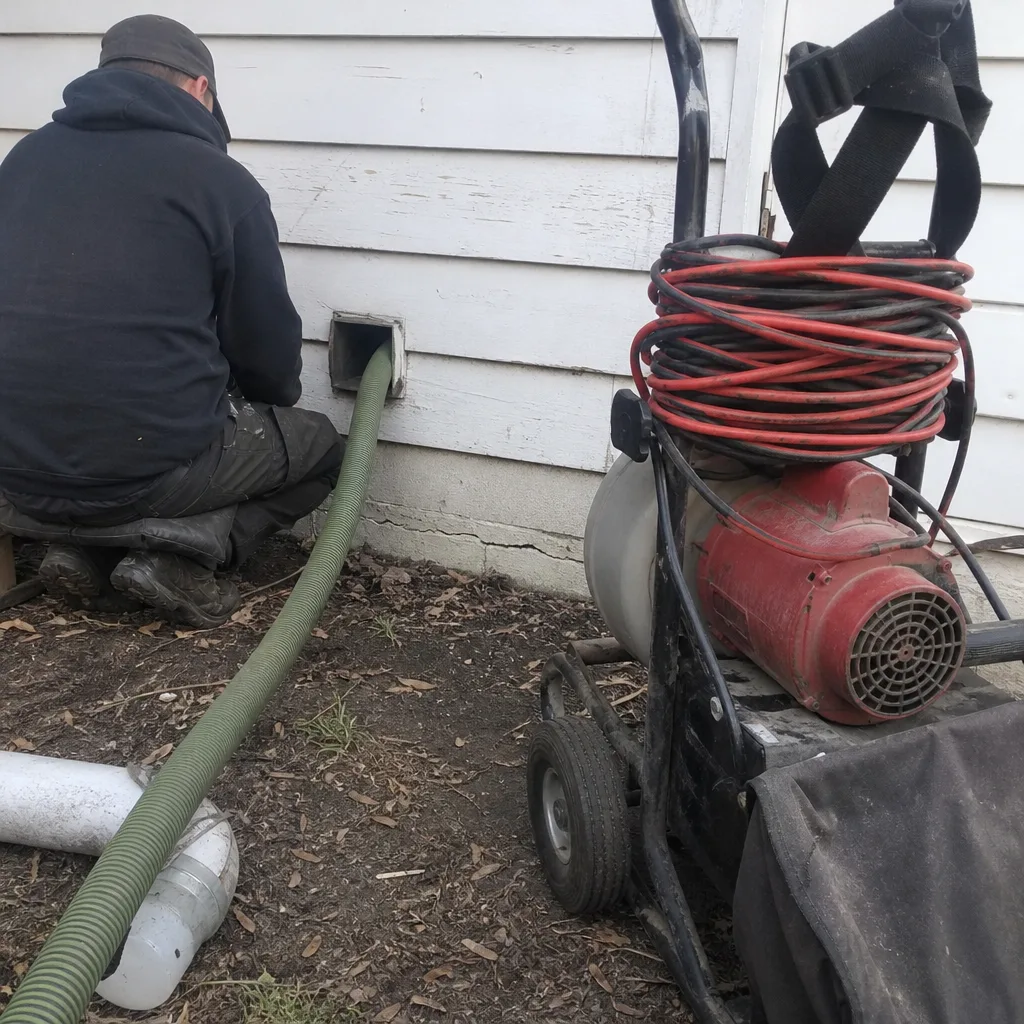 Before
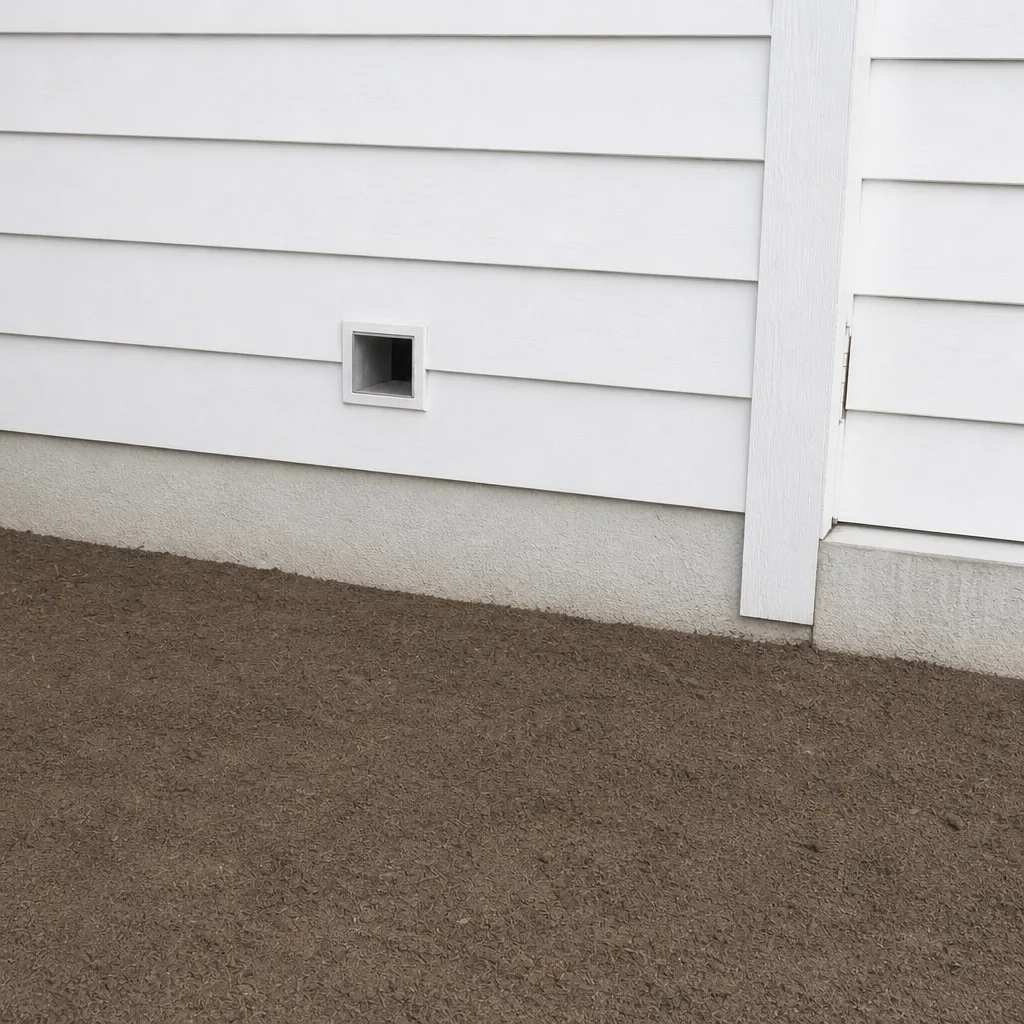 After
When to Call a Professional
Call a professional if you’re seeing visible mold near any register, rodent evidence inside the airstream, debris actively blowing out of a supply, a chemical or burning smell that persists after a filter change, or contamination following any water event. Call if a renovation is about to push debris into the returns, or if you’re in a home built with vermiculite insulation and are unsure whether ductwork nearby is affected. Call if a room’s airflow problem has already been checked with the tissue test and one clear pattern emerged that you can’t resolve yourself. And call if you simply want a proper inspection on record before the heating season starts in St. Paul, so you aren’t discovering a problem in January. Ambassador Air Duct Cleaning offers free estimates in St. Paul – call (888) 501-7655.
Frequently Asked Questions
Visible mold at the registers, rodent evidence inside the duct system, post-flood contamination, and persistent musty odors confined to specific rooms are the clearest signs your ducts need professional attention. Heavy dust alone is not on that list. It usually points to a filter, return, or blower issue that a cleaning won’t fix.
No. Register dust is most often a filtration or air-sealing symptom, not a contamination signal. Check whether the filter is seated properly, whether the return duct is sized correctly, and whether the register boot is sealed. If a professional confirms the ducts themselves are contaminated after ruling those out, then cleaning is the right call.
A musty smell that appears only during cooling season and is strongest near the air handler usually points at a fouled coil or a drain pan that isn’t draining. A smell that moves into specific rooms with the airflow and persists year-round more often points at the ducts or a damp liner. That distinction usually gets settled by a professional inspection.
Treat visible mold at a supply register as urgent. It should be inspected and addressed before the system runs through another heating season, since it means active growth is inside the airstream. Call us and we’ll walk you through what to do next; the estimate is free.
Often it is, especially in older St. Paul two-stories with undersized original supplies. But undersized equipment, a starved return, or a blower running too slowly can cause the same complaint. The room-by-room tissue test gets you most of the way to the answer before anyone arrives.
First, identify it. Vermiculite from mid-century construction requires special handling and should never be disturbed as part of a cleaning. Get that answered by a qualified professional before anyone begins work near the ductwork or attic. Call (888) 501-7655; we answer 24/7, and we can talk through what to check and what to leave alone.
The Bottom Line
Most duct problems give you a warning sign weeks before they become costly. The trick is reading those signs correctly instead of treating every dusty register like a contamination emergency. Dust film is a filtration or airflow signal. Black streaking is a leakage signal. Fibrous debris is a material-degradation signal. Smells tell you where to look based on when and where they appear. Airflow complaints split cleanly between duct problems and equipment problems once you run the room-by-room test. In St. Paul, older housing stock means vermiculite, corrosion, and duct board all need to be ruled out before any cleaning starts. When the signs are genuinely urgent, get a professional on it. When they aren’t, plan the work on your own timeline and get it done right.
If you’ve read this and you’re still not sure which column your warning sign falls into, call us. We answer 24/7. Fast dispatch from 7am to 7pm, Sunday through Friday. Ambassador Air Duct Cleaning works throughout St. Paul, and we’re happy to walk your system with you. Estimates are free. Reach us at (888) 501-7655. More about our services at Ambassador Air Duct Cleaning.
Written by the team at Ambassador Air Duct Cleaning.